

 Written by Marvin Cavanaugh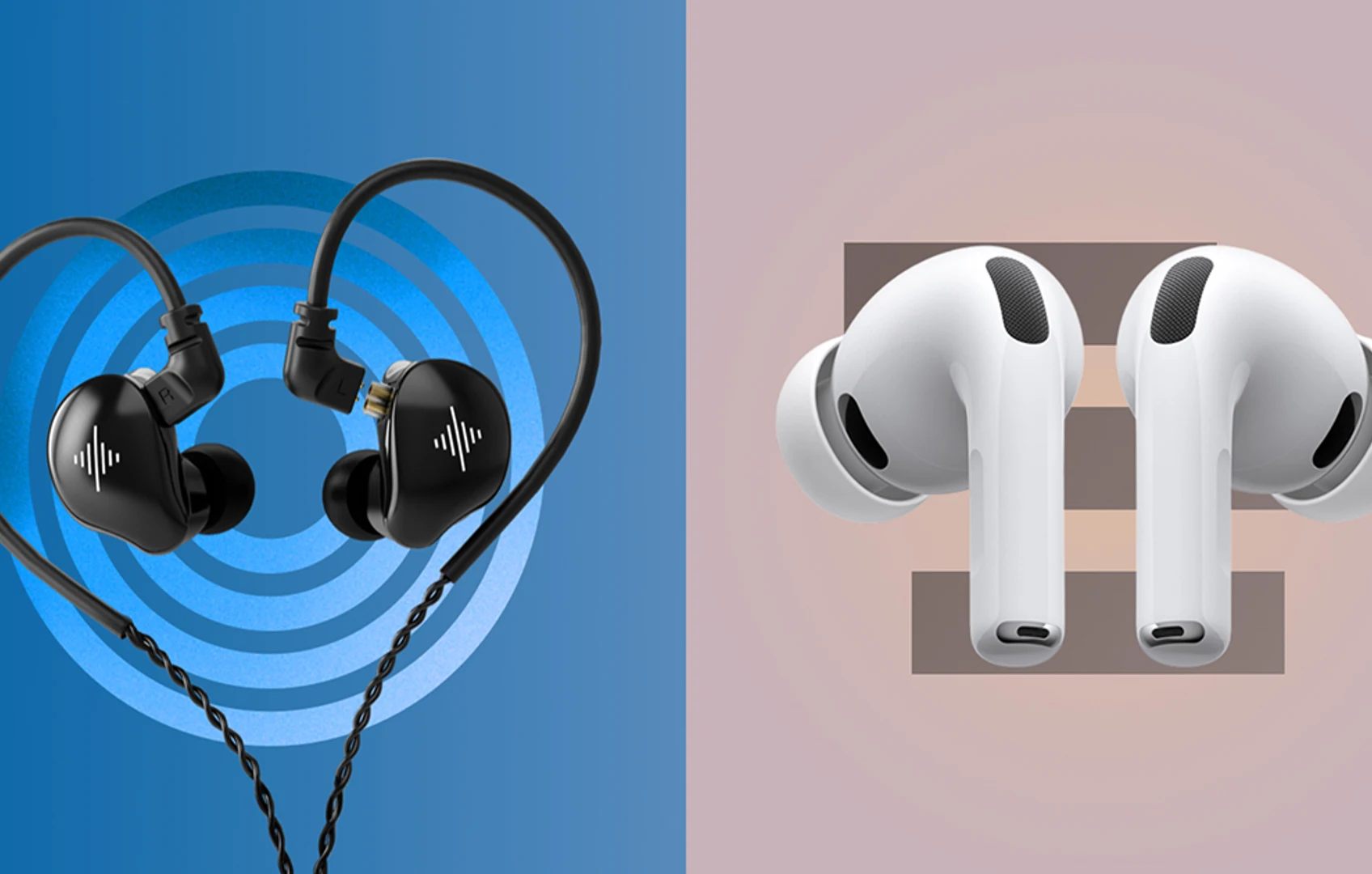
The Thought That Sneaks Up On You Once You Notice It
You can be a perfectly normal person and still have this thought one day: how much technology am I wearing right now?
A smartwatch on your wrist. A phone in your pocket. Wireless earbuds in your ears for hours while you work, walk, cook, commute, and answer one more message before dinner.
Are wireless earbuds dangerous? Most experts say they are safe when used as intended. This article is not arguing otherwise. It is about something quieter: why some reasonable people still prefer a simpler listening tool.
Nobody had AirPods 30 years ago. So nobody can hand you 30 years of everyday, all-day AirPods-style consumer habit data. That is not evidence of a problem. It is just the kind of uncertainty that makes some label-reading, water-filtering, screen-time-managing people pause for a second.
“Wireless earbuds are probably fine. ‘Probably’ just is not everyone’s favorite word.”
If that sentence lands a little too cleanly, the answer does not have to be panic. It can be boring. It can be practical. It can be a cable.
The Calm Verdict
If you want great sound with fewer systems involved, Soundbrenner Wave is the wired pair I would look at first. It is a premium wired in-ear monitor built for musicians, creators, and everyday listeners who want their audio to work without batteries, charging cases, pairing menus, firmware updates, apps, or a wireless signal.
- Buy Wave if you want a simpler daily listening setup with clear sound, passive isolation, zero latency, and no wireless layer in your ears.
- Skip it if you need active noise cancellation, transparency mode, cable-free gym convenience, or smart-earbud features.
- Consider Wave Pro if you want the more serious detail-and-separation version for music making, dense mixes, or premium focused listening.
- Do not buy it because you think wireless is proven bad. That is not the claim here. Buy it because simpler feels better to you.
For most readers arriving from this Bluetooth-caution conversation, Wave is the clean decision: plug in, get better sound, and remove one more tiny battery product from the daily routine.
Wired Is the Shorter Ingredient List
The strongest argument for wired earphones is subtraction.
- No batteries in the earphones to charge or age out.
- No charging case to lose, forget, or find dead in your bag.
- No pairing ritual when your phone decides to be theatrical.
- No firmware layer standing between you and a song.
- No wireless audio signal because the cable carries the sound.
- No Bluetooth processing delay for video, games, instruments, and timing-sensitive listening.
That is the whole appeal. The ingredient list is short: drivers, cable, ear tips, plug. Less ceremony. Fewer little dependencies. One less device asking for charging, updating, pairing, and troubleshooting.
What “Premium Wired” Means Here
Premium should not mean mysterious. I have tested cheap wired buds around $49 and pro IEMs around $300. Wave sits in the practical upgrade lane: Original price, or Sale price if Soundbrenner’s sale is active.
- Dual-driver hybrid array: a 10mm dual-magnet dynamic driver plus a balanced armature tweeter for clearer, more separated sound than disposable wired earbuds.
- Six tip options: foam and silicone tips in multiple sizes so you can find a secure seal.
- Detachable 1.5m over-ear cable: easier to live with than a sealed disposable cable design.
- 3.5mm plug plus 1/4-inch adapter: ready for laptops, interfaces, amps, stereos, and phones that use a compatible dongle.
- No battery, no charging, no pairing, no firmware, no wireless signal: the less-technology promise in one checklist.
Official-store check: buy through Soundbrenner’s official page to see live pricing, current stock, and the current return/warranty terms before checkout.
Why Wave Does Not Feel Like Going Backward
The trap with going wired is that most people picture the flimsy earbuds that came free with old phones. The ones that tangled into a sailor’s curse at the bottom of a backpack and sounded like a radio under a blanket.
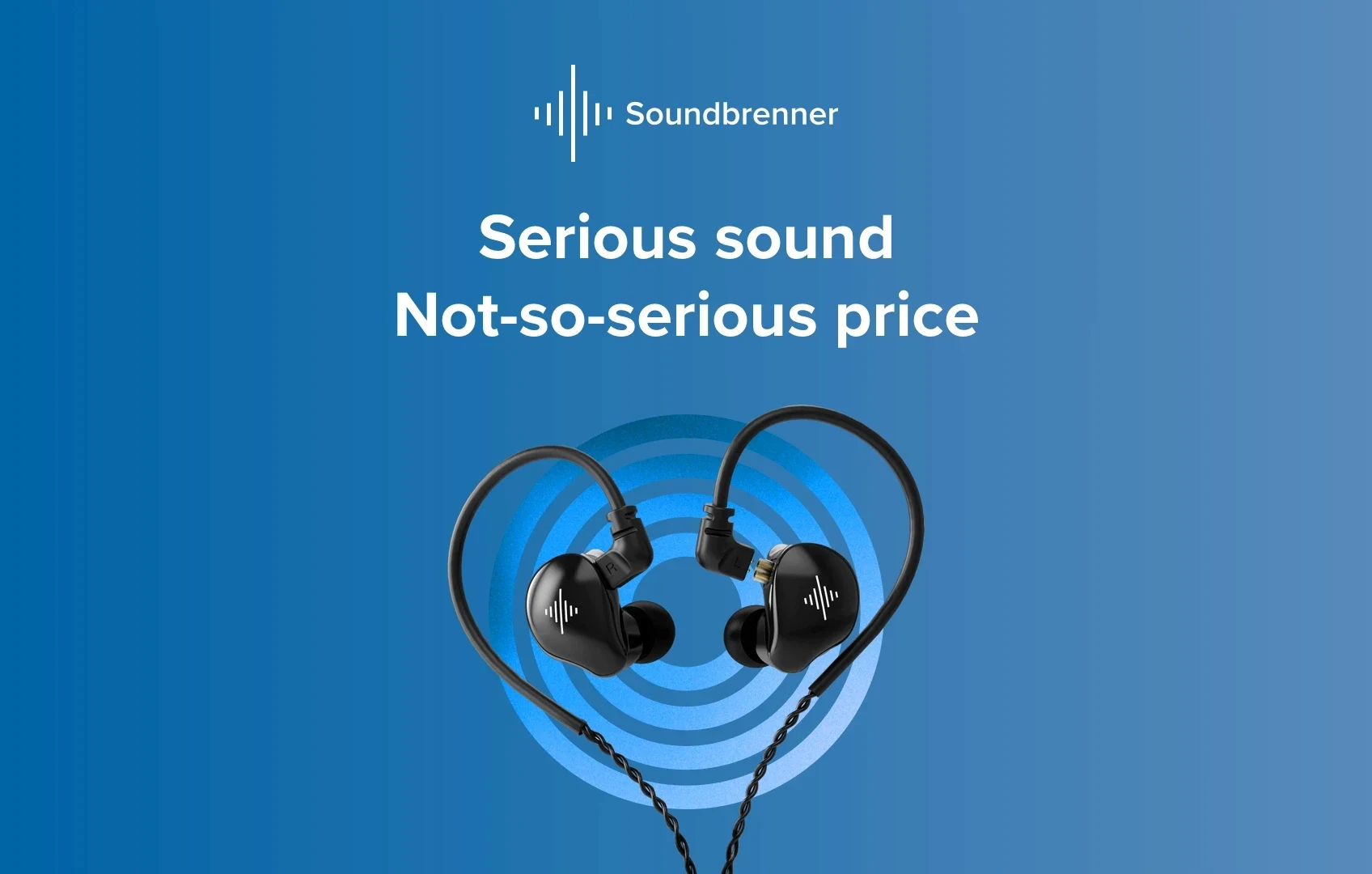
Wave is not that. It is a proper in-ear monitor — a more serious kind of wired earphone — with a dual-driver hybrid array inside each earpiece. A 10mm dual-magnet dynamic driver handles the weight and power. A balanced armature tweeter handles detail up top.
Translated out of spec-sheet language: you get clearer separation, cleaner detail, and a more stable seal than the disposable wired earbuds most people remember.
I Actually Lived With These, Not Just Read the Spec Sheet
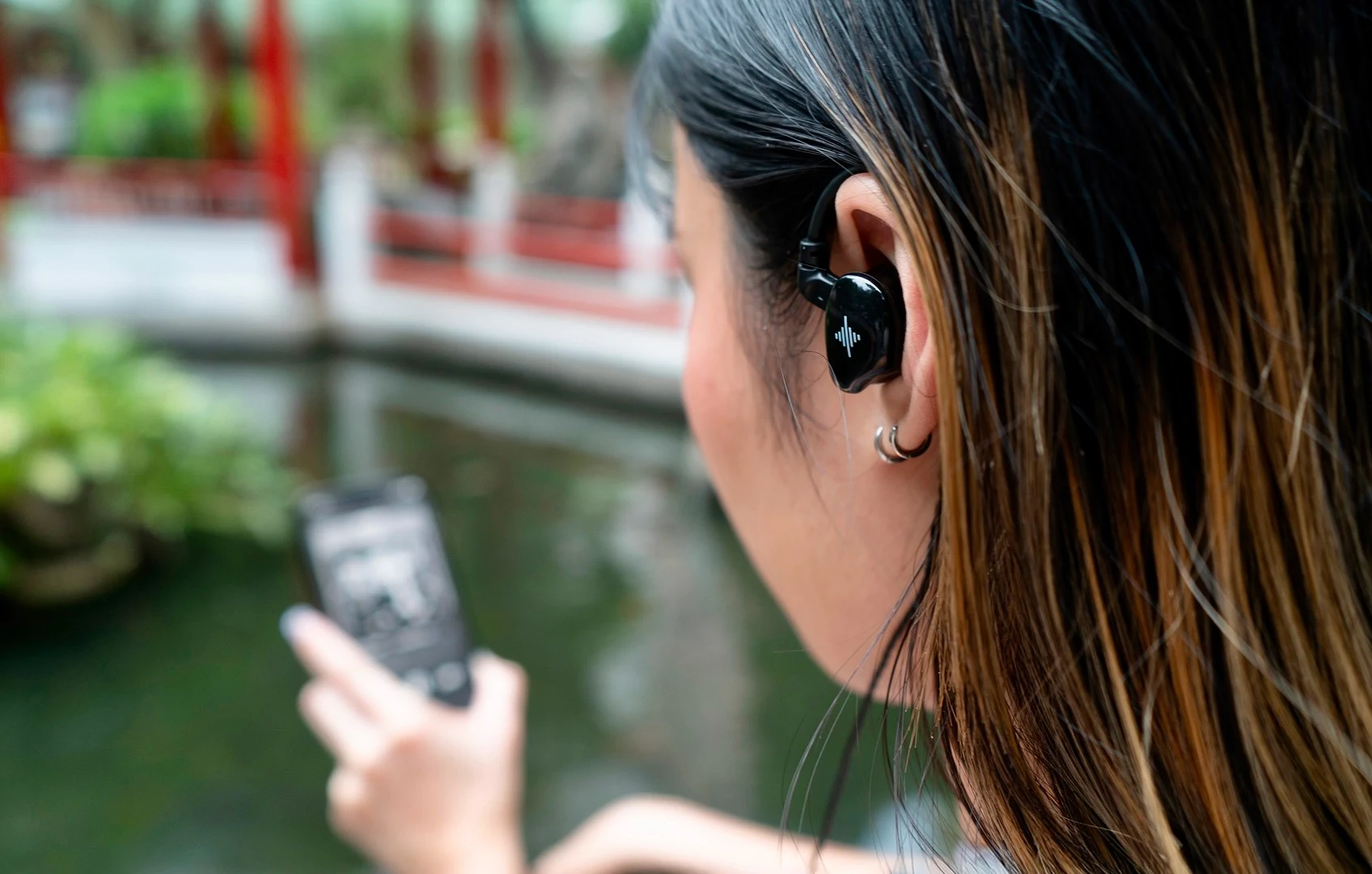
The desk test started with the unglamorous details that usually ruin concentration: a dishwasher hum from the next room, keyboard clatter, hallway doors, a laptop, and a phone that needed a dongle. I picked the foam tips that sealed best, looped the cable over my ears, plugged in, and waited for the usual setup chore.
There was no setup chore. No case battery to check. No left-earbud mystery. No Bluetooth menu archaeology. Wave just started playing, which sounds like a small thing until you remember how much modern convenience depends on five tiny systems behaving at once.
The fit mattered more than I expected. With the right foam tips, the room stopped fighting the audio so hard. I could follow a podcast without nudging the volume every time a door closed in the hallway, and vocals in music felt closer without turning the whole track into a blur.
Video stayed locked to speech. Music had more shape than my usual convenience buds. After a few hours, I noticed the cable only when I stood up too fast — the fair tradeoff. What I did not notice was battery anxiety, pairing drama, or the faint irritation of wondering which device my earbuds had decided to love today.
The Routine Bluetooth Made Invisible
Wireless earbuds are convenient. Nobody serious should pretend otherwise. For runs, quick calls, and walking around the house, a cable can be annoying.
But Bluetooth also trained us to accept maintenance as normal. Charge the buds. Charge the case. Re-pair the left earbud. Update the app. Wonder why the video is slightly off. Find the case. Lose one earbud. Buy another tiny battery product when the old one fades.
Wired listening is not nostalgia here. It is audio with fewer chores.
Charging and Pairing
Wave has no earbud batteries and no charging case. If your phone, laptop, interface, or player has power, your earphones work. There is no “why is only one side connected?” moment, no device-list archaeology, and no Bluetooth menu. Plug in. Listen. That is the setup.
Latency and Signal
A wired connection is effectively instant for normal listening. That matters if you watch video, edit audio, play an instrument, game, or simply hate when mouths and voices feel a hair out of sync. And because Wave is wired, it does not use a wireless audio signal to get sound from your device to your ears.
The Sound: More Music, Less Mush
The Bluetooth uncertainty may be what gets people curious. It should not be the only reason they buy.
The better everyday reason is that Wave sounds like a serious piece of audio gear, not a novelty protest against wireless. The seal helps reduce background spill. The dual-driver design gives the mix more shape. Bass has weight without turning the whole track into soup. Vocals and guitars sit forward enough to follow without cranking the volume just to find them.
That is where the musician-tool DNA matters. Soundbrenner did not build Wave around app tricks, touch gestures, or a charging case. It built a wired in-ear monitor around the boring things working musicians care about: fit, clarity, reliability, and timing.
Where Wave Makes the Most Sense
- Desk work: no battery anxiety during long focus blocks, music sessions, or video watching.
- Travel backup: toss it in a bag and you have audio even when your wireless case is dead.
- Commuting with a dongle: not as slick as wireless, but dependable once plugged in.
- Evening listening: simple, quiet, no app, no pairing, no “where did I leave the case?”
- Musicians and creators: zero latency makes it useful for practice, recording, editing, and monitoring.
- Anyone trimming tech clutter: if your day already has enough devices asking for attention, Wave is refreshingly uneventful.
For phone calls, be practical: Wave is primarily a listening tool. Call and microphone behavior depends on your device, dongle, and cable setup. If calls are your main use case, check your exact setup before making it your only pair.
Wave vs. Wave Pro: Which One Should You Get?
For this reader — the person who wants less wireless tech in the day and better sound without turning into an audiophile forum moderator — Wave is the right starting point. It has the wired simplicity, detachable cable, tip kit, passive isolation, and clear dual-driver sound that make the switch make sense.
Wave is currently listed at Original price, or Sale price if Soundbrenner’s sale is active. That keeps it in the sensible upgrade zone for someone replacing disposable earbuds or adding a reliable wired pair beside their wireless set.
Wave Pro is the step-up pick. Its quad-driver hybrid array is built for more separation and detail, which matters if you make music, care about dense mixes, or want the more premium monitoring experience. It is currently listed at Original price, or Sale price if a sale is active.
The simple version: Wave for most people. Wave Pro for the detail-obsessed.
Value note: many wireless earbuds eventually live or die by tiny batteries and charging cases. Wave has no earbud battery to degrade, no case to replace, and a detachable cable instead of a sealed throwaway cable design.
Official-store check: buy through Soundbrenner’s official page to see live pricing, current stock, and the current return/warranty terms before checkout.
The Objections That Actually Matter
“Wires are annoying.”
Sometimes, yes. If you want earbuds for burpees, dog walks with one hand full, or taking calls while pacing around the kitchen, wireless still wins on freedom. Wave is better for focused listening, desk work, travel, practice, editing, and the moments when always-ready audio matters more than cable-free movement.
“My phone does not have a headphone jack.”
Most modern phones need a compatible dongle. That is the least romantic sentence in this article, but it is true. Once the dongle is in place, the setup is still simple. Wave also works naturally with many laptops, audio interfaces, keyboards, stereos, headphone amps, and other devices with a 3.5mm or 1/4-inch output.
“What about noise cancellation?”
Wave uses passive isolation, not active noise cancellation. The ear tips physically block some outside sound when you get a good seal. It is simpler and battery-free, but it will not replace every ANC use case, especially airplanes or loud offices where you want electronic cancellation and transparency modes.
“Do I have to be a musician?”
No. Musicians use in-ear monitors because they need clarity, isolation, and reliability. Those benefits translate cleanly to normal listening. You do not need a gig tonight to appreciate earphones that do not die, drift, pair weirdly, or blur everything together.
“Is this secretly saying wireless is bad?”
No. Most experts consider wireless earbuds safe when used as intended. Keep your wireless earbuds if you like them. Use them for the gym, calls, travel, or whenever they are the better tool. The point is narrower: if you would rather not wear tiny wireless transmitters in your ears for hours every day, you do not have to. A good wired pair still exists.
Final Verdict: The Low-Drama Choice
The older I get, the more I respect gear that does less and works better because of it. Not every problem needs an app. Not every improvement needs another battery. Not every listening routine needs a wireless signal.
Soundbrenner Wave makes wired listening feel modern again because it does not ask you to accept bargain-bin sound as the cost of simplicity. It gives you clear dual-driver audio, a real foam-and-silicone tip kit, passive isolation, a detachable cable, and the blessed absence of charging drama.
If Bluetooth is working for you, fine. If “probably fine” still leaves you wanting one less wireless device in your daily routine, Wave is the clean, premium, low-drama alternative.
Soundbrenner Wave. Hear more. Worry less.
Official-store check: buy through Soundbrenner’s official page to see live pricing, current stock, and the current return/warranty terms before checkout.
Comments
No comments yet.