

 Written by Marvin Cavanaugh
By Hour Four, the Headphones Were the Problem
At 9:00 a.m., full-size studio headphones feel like professional equipment. At 3:00 p.m., they can feel like a clamp with speakers attached.
The cups are hot. The headband has created a pressure point. The arms of your glasses are being pressed into your temples. You lift one earcup every few minutes, not because the audio changed, but because your head needs a break.
The headphones may sound completely fine. Wearing them does not.
That raised a simple question: can wired in-ear headphones provide a dependable editing reference without the headband, heat, and travel bulk?
Audio professionals call them in-ear monitors, or IEMs. For an editor, the useful explanation is simpler. They are wired earbuds designed for monitoring instead of wireless convenience.
A good pair can sit in your laptop bag, plug into an interface, travel to a client room, and monitor a camera on set. There is no headband, no earcup, no battery to charge, and no Bluetooth connection adding another timing variable.
The wrong pair can be uncomfortable in a different way. It may insert too deeply, exaggerate the bass, sharpen every consonant, block too much of the room, or create distracting cable noise. So we tested seven promising options and looked for the pair we would still trust and tolerate near the end of a long editing day.
The surprise was not that the premium specialist sounded excellent. The surprise was that the pair we kept reaching for cost much less.
Why We Chose Wired
Bluetooth headphones are convenient for email, travel, rough assemblies, and casual playback. Precision work is different. Bluetooth adds another timing variable between the timeline and your ears, which is why many editors return to a cable for sync-sensitive cutting.
A wired headphone does not repair footage recorded out of sync. It cannot fix display processing, software configuration, or an interface buffer. It simply removes Bluetooth from the equation. For detailed editing, that is one less thing to second-guess.
How We Tested
Every pair went through the same dialogue-heavy timeline containing interviews, music, ambience, effects, room tone, breaths, lavalier noise, hard cuts, J-cuts, L-cuts, and imperfect fades.
- Long-session comfort: Shell pressure, tip fatigue, heat, glasses compatibility, cable behavior, and how we felt after multi-hour sessions.
- Trustworthy sound: Whether dialogue, music, ambience, and effects felt balanced enough for repeatable decisions.
- Dialogue clarity: Whether voices stayed understandable beneath music and environmental sound.
- Problem detection: Whether lav movement, clothing noise, hum, wind, clipped speech, and rough fades were audible without everything sounding artificially sharp.
- Appropriate isolation: Enough to work in a shared space without making every room feel unnaturally sealed.
- Reliable wired operation: No pairing, charging, wireless dropouts, or Bluetooth timing uncertainty.
- Compatibility: Laptop, audio interface, portable recorder, and camera connections.
- Portability and durability: Whether the pair could move between an edit desk, laptop bag, client room, and shoot.
Comfort carried more weight than microscopic detail. A headphone that sounds spectacular for 20 minutes but becomes painful after two hours is not the best all-day editing tool.
We also treated each pair as one reference, not the final authority. Important decisions still need checks through speakers, laptops, phones, televisions, and other familiar playback systems.
The Top 7 In-Ear Headphones for Video Editing
- 1. Soundbrenner Wave Pro 2, 9.7/10: Best overall
- 2. Sennheiser IE 200, 9.2/10: Best lightweight comfort
- 3. Dunu SA6 MKII, 9.1/10: Best premium detail
- 4. Etymotic ER3XR, 8.9/10: Best maximum isolation
- 5. Audio-Technica ATH-E40, 8.7/10: Best fixed-studio workhorse
- 6. Moondrop Aria 2, 8.5/10: Best balanced value
- 7. KZ ZS10, 8.1/10: Best inexpensive backup
Scores reflect the complete video-editing workflow, not sound quality alone.
1. Soundbrenner Wave Pro 2 (9.7/10): Best Overall
Price: Sale price (normally Original price)
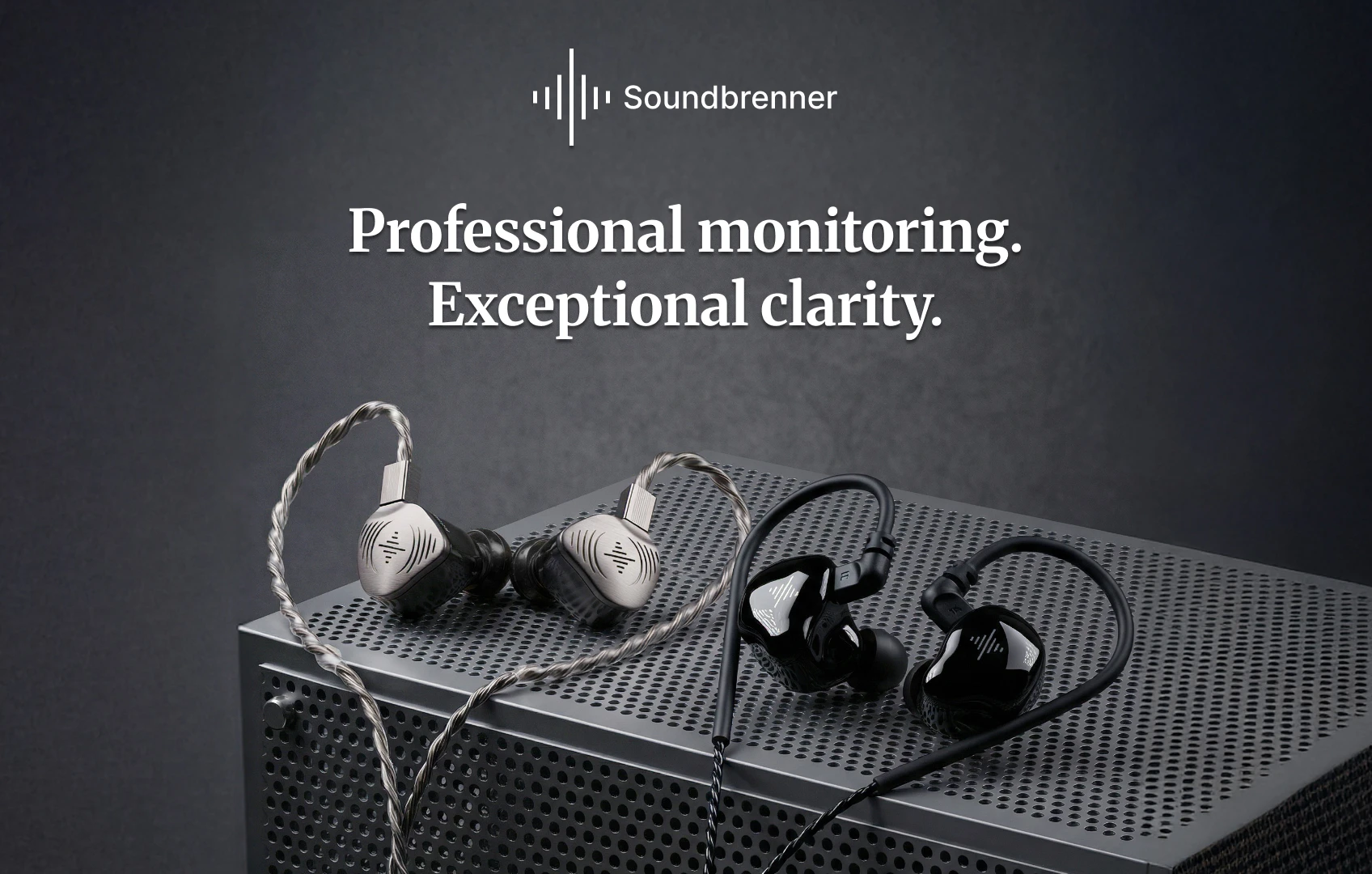
Wave Pro 2 did not win every individual category. Sennheiser IE 200 felt lighter. Etymotic ER3XR blocked more outside sound. Dunu SA6 MKII extracted the final layer of low-level detail. Wave Pro 2 won because it was the only pair that did not force us into a major compromise.
Why It Won
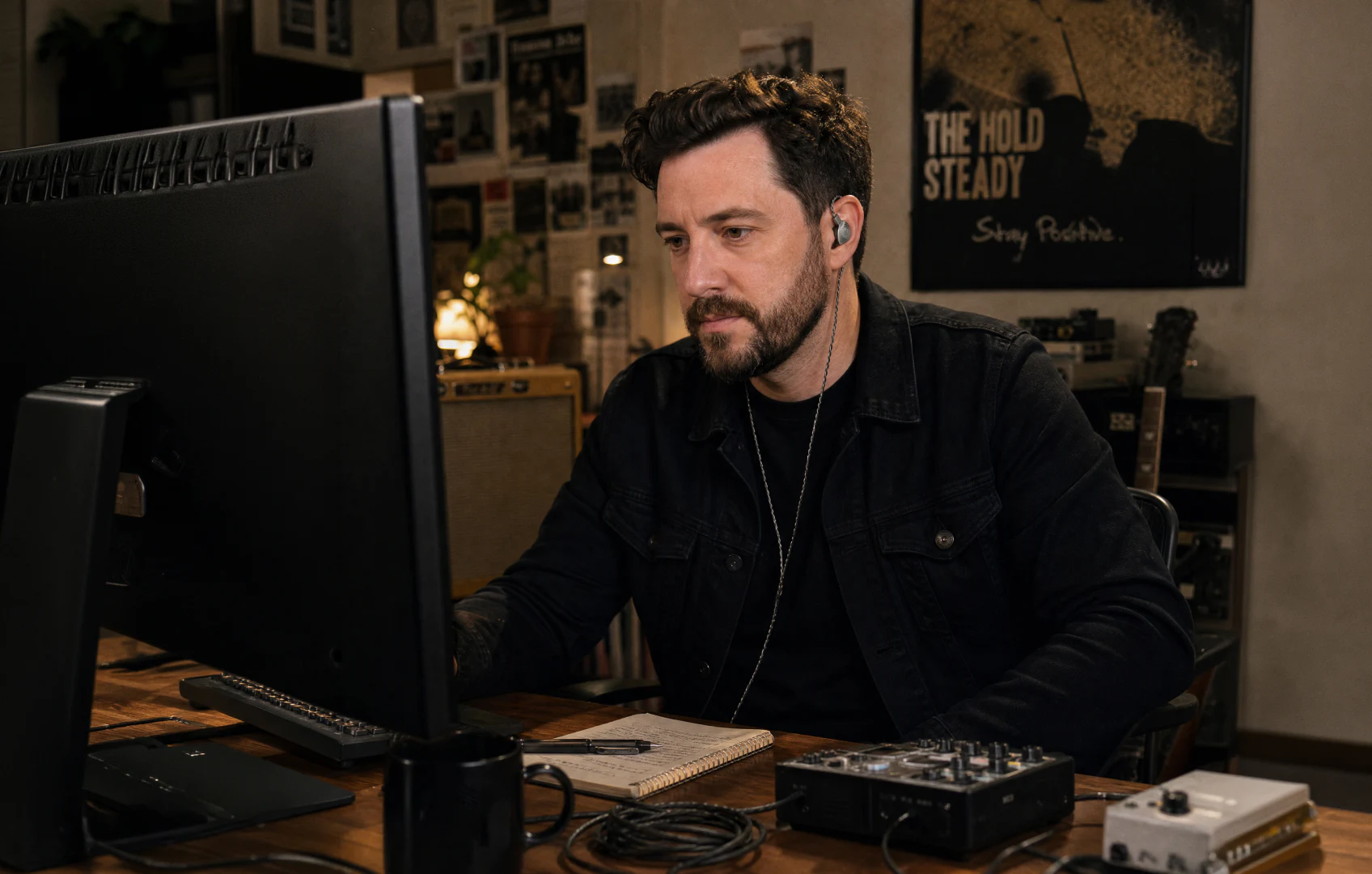
The first thing we noticed during a long editing session was not a new sound. It was what disappeared. There was no headband pressing our glasses into our temples, no full-size earcups holding heat against the head, and no need to lift one side every few minutes for relief.
The low-profile earpieces stayed close to the ear, and the over-ear cable kept the fit stable without requiring a heavy structure around the head. Then came the important question: did switching to something smaller mean giving up a dependable editing reference? It did not.
Dialogue remained centered and easy to follow. Music beds, ambience, and effects stayed separated enough that level decisions did not become guesswork. Quiet lavalier movement and room-tone changes remained audible, but Wave Pro 2 did not make every breath and consonant feel unnaturally aggressive.
Editors do not need headphones that merely make everything sound detailed. They need a reference that helps them make decisions which still make sense through speakers, phones, laptops, and televisions. Wave Pro 2 gave us the strongest balance between clarity and restraint.
The Ear Tips Are the Real Comfort System
Most headphone reviews treat ear tips as box accessories. For video editors, they are part of the ergonomics. Wave Pro 2 includes 18 individual tips across three designs.
- Liquid Pro tips: Our preferred starting point for long editing sessions, with a softer seal and less aggressive feeling in the ear.
- Foam tips: The strongest choice for a shared office, café, noisy home, flight, or client room, with passive isolation rated up to 36 dB.
- Double-flange tips: The most secure option for movement, location work, or monitoring while shooting.
Each style comes in three sizes. A tight foam seal can be useful in a loud room but unnecessary in a quiet studio. Softer silicone may be easier to tolerate for a full-day edit. Wave Pro 2 lets you change the fit and isolation without replacing the headphone.
It Works With an Editor’s Actual Gear
The standard 3.5 mm connector works with common laptop outputs, cameras, portable recorders, adapters, and headphone amplifiers. The included 1/4-inch adapter plugs directly into many audio interfaces and edit-bay headphone outputs.
For modern USB-C laptops, tablets, and phones, Soundbrenner offers an optional connector that replaces the 3.5 mm plug directly on the cable. It contains its own 24-bit/96 kHz digital-to-analog converter, so there is no loose adapter dangling between the cable and device.
The detachable cable also gives the most heavily handled part a replacement path. The same compact pair can move from a laptop during the rough cut, to an interface during detailed editing, to a camera or recorder during a shoot, and finally into its hard case.
Why It Beat the Specialists
IE 200 is physically lighter, but Wave Pro 2 offers a broader fit system, stronger isolation options, an included 1/4-inch adapter, a hard case, and a direct USB-C path. ER3XR isolates more, but its deep-insertion fit is far more polarizing. SA6 MKII offers more micro-detail, but the extra cost is difficult to justify for most general editing workflows.
Wave Pro 2 was not the most extreme product. It was the one we could use in the largest number of real situations.
Why It Earned First Place
- No headband pressure, particularly for editors who wear glasses.
- No earcup heat during warm, multi-hour sessions.
- Clear monitoring without turning every timeline into a treble demonstration.
- Three genuinely different fit modes for comfort, isolation, or movement security.
- A direct wired connection for sync-sensitive work.
- Standard 3.5 mm plus an included 1/4-inch adapter.
- An optional USB-C connector that replaces the plug instead of adding a loose dongle.
- A detachable cable and protective hard case.
- Enough portability to use the same reference for production and post.
Room for Improvement
- In-ear comfort remains personal. Eighteen tips improve the odds, but no universal in-ear headphone fits everyone.
- A sealed fit creates occlusion, so your own voice and body movement may sound more noticeable.
- The substantial cable should be routed behind the laptop or down your back.
- The USB-C connector is sold separately.
- Strong foam isolation can be inconvenient in a collaborative room.
- It is still one playback reference, not a substitute for final speaker and consumer-device checks.
Real Talk
Editors who already own a deeply familiar and genuinely comfortable pair of open-back headphones may not need Wave Pro 2 to replace them. In a quiet, controlled room, open headphones or speakers can remain a less sealed working environment.
The Wave Pro 2 case becomes much stronger if your headphones hurt after several hours, the earcups become hot, your glasses get pinched, you work around other people, you move between an edit bay and a laptop, you travel often, or you shoot as well as edit.
Final Verdict
Wave Pro 2 is our best overall in-ear headphone for video editing because it performs well at minute one and still makes sense at hour six. It combines freedom from headband pressure, dependable monitoring, adjustable isolation, a broad fit kit, wired timing confidence, laptop and interface compatibility, on-set portability, and replaceable cabling.
At Sale price instead of Original price, it also makes a stronger value case than the premium specialist. For most editors, it is the easiest decision in this comparison.
The Runner-Ups
Every model below has a legitimate reason to exist. Some beat Wave Pro 2 in one category. None matched its complete balance of comfort, fit flexibility, trustworthy sound, isolation choice, wired reliability, portability, connectivity, and value.
2. Sennheiser IE 200 (9.2/10): Best Lightweight Comfort
Price: $130
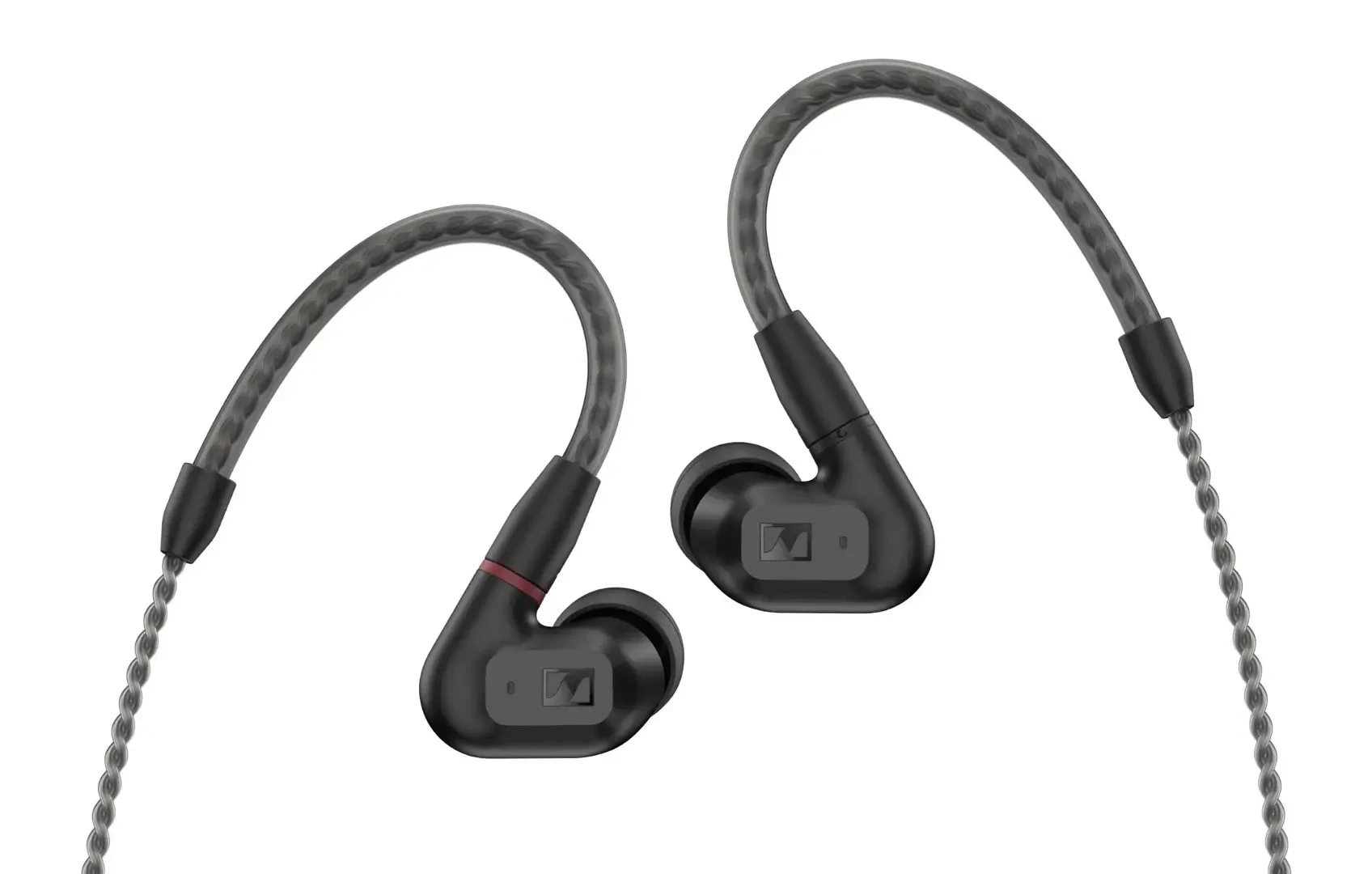
IE 200 was the easiest product to forget physically. Its compact four-gram earpieces leave very little hardware around the outer ear, which is welcome for editors who already have glasses competing for space.
Dialogue sounded natural and easy to follow. It was a comfortable companion for repetitive passes and long-form editing where the headphone itself should stop demanding attention.
Strengths
- Extremely lightweight and compact.
- Balanced, natural presentation for dialogue and music.
- Low impedance for portable devices.
- Detachable MMCX cable with silicone and memory-foam tips.
- Excellent option for glasses wearers.
Limitations
- Less fit variety and isolation flexibility than Wave Pro 2.
- No included 1/4-inch adapter or direct USB-C connection.
- The soft pouch offers less protection than a hard case.
- Its adjustable bass-tip system adds another setup variable.
Best for: Editors in quiet rooms who put the lightest possible shell above maximum isolation and connection flexibility.
3. Dunu SA6 MKII (9.1/10): Best Premium Detail
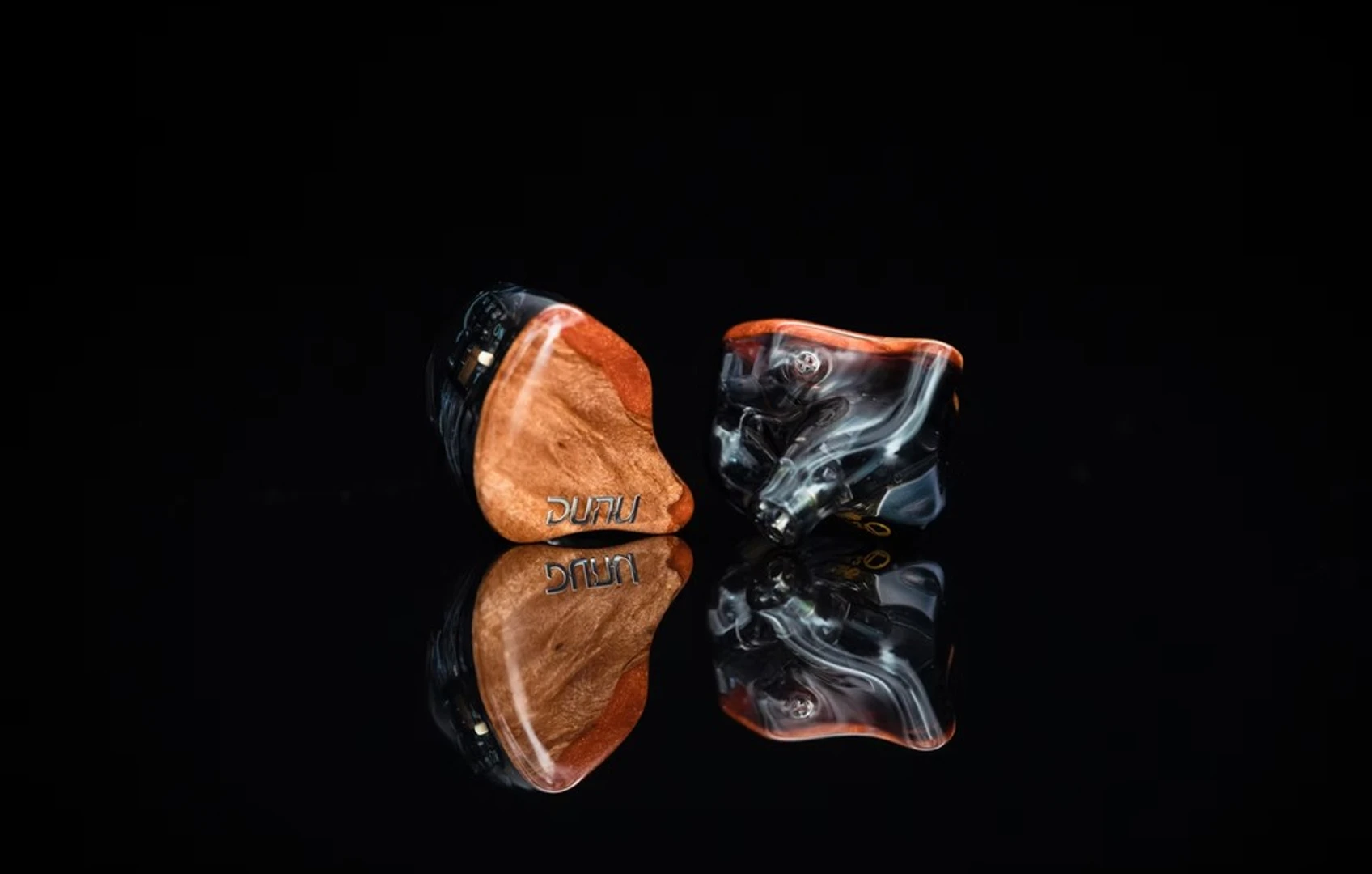
Price: $513
SA6 MKII was the strongest option for editors who want to inspect the final layer of low-level information. Its six balanced-armature drivers kept speech, ambience, score, and effects exceptionally organized. Fine room-tone changes, breath edits, and fade tails were easy to examine.
Strengths
- Excellent low-level detail and separation in dense timelines.
- Premium build and six balanced-armature drivers per side.
- Modular 3.5 mm and 4.4 mm terminations.
- Useful for audio finishing and forensic inspection.
Limitations
- The performance advantage is narrower than the price difference.
- Two tuning modes require the editor to choose one and stay consistent.
- The larger shell is harder to forget than IE 200.
- No included 1/4-inch connection or direct USB-C workflow.
- Difficult to justify for social edits, rough assemblies, and general editorial work.
Best for: Finishing editors and post-audio specialists who value the last degree of micro-detail and are willing to pay for refinement.
4. Etymotic ER3XR (8.9/10): Best Maximum Isolation
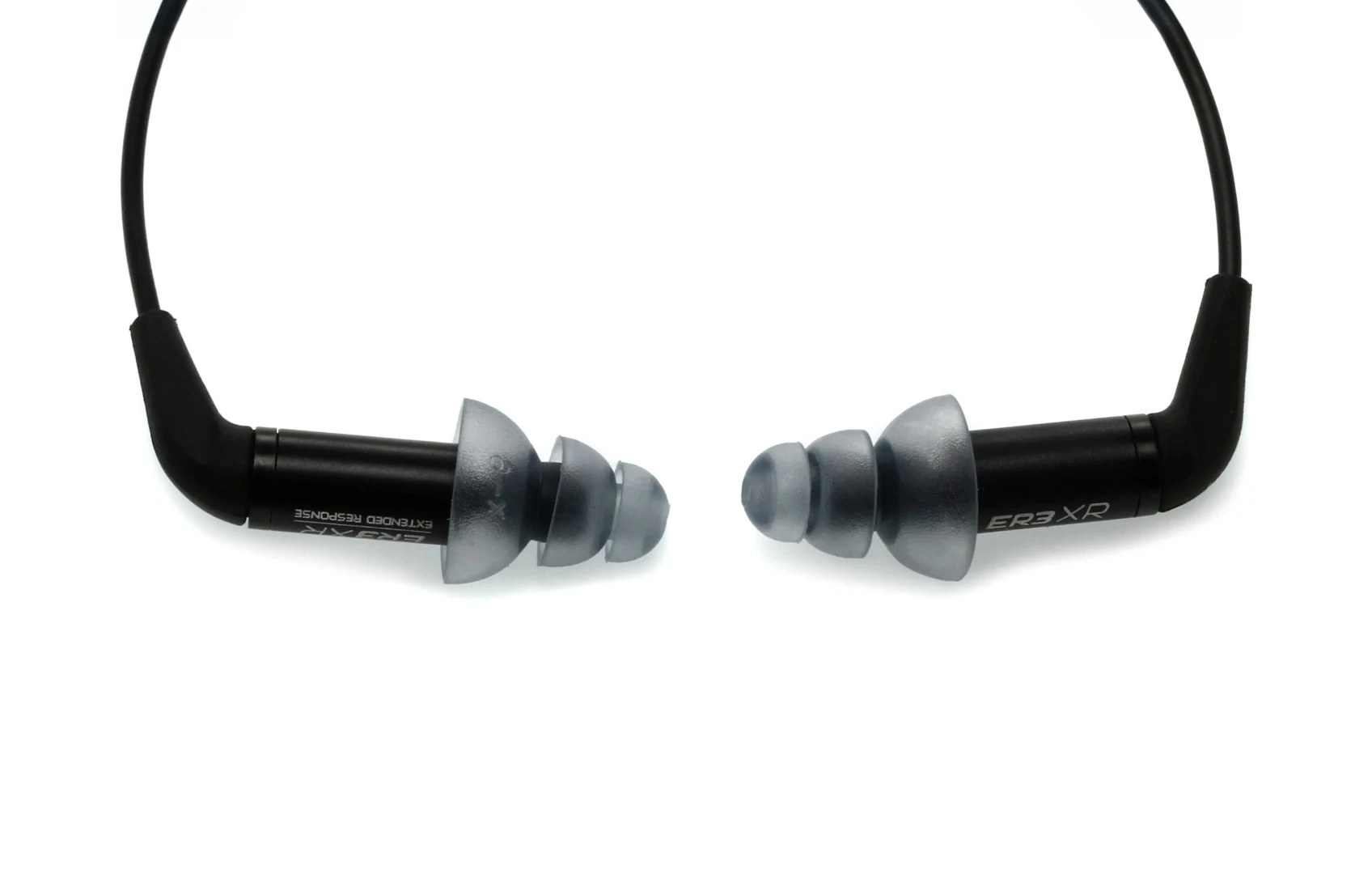
Price: $100
ER3XR lowered the outside world more than any other product in the ranking. Dialogue felt close and precise, and quiet recording problems were easy to isolate from the room around us.
Strengths
- Class-leading passive isolation.
- Clear speech, breaths, consonants, and lav detail.
- Compact shells with detachable MMCX cables.
- Useful in loud offices, travel environments, and noisy homes.
Limitations
- The deep-insertion fit is polarizing and can become uncomfortable.
- The narrow physical design feels less natural than a conventional ergonomic shell.
- Music and effects feel less spacious than through the multi-driver leaders.
- No included 1/4-inch adapter or direct USB-C option.
- The isolation can be excessive in collaborative rooms.
Best for: Dialogue editors and people in loud shared spaces who already know they tolerate deep-insertion earphones.
5. Audio-Technica ATH-E40 (8.7/10): Best Fixed-Studio Workhorse
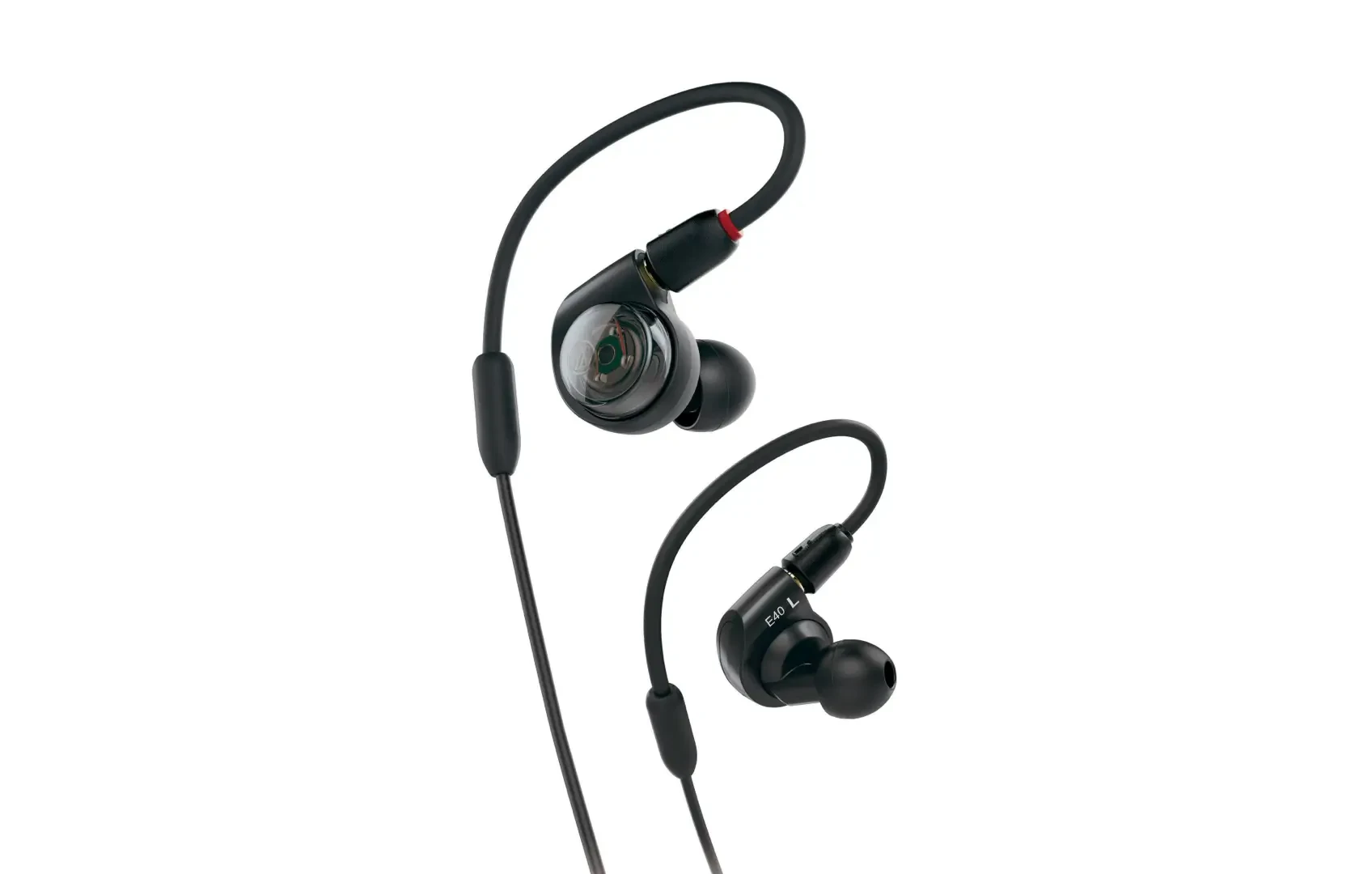
Price: $119
ATH-E40 felt like traditional studio monitoring translated into an in-ear shape. Dialogue remained clear, music stayed controlled, and the long cable and included 1/4-inch adapter suited a permanent interface setup.
Strengths
- Dependable studio-oriented sound.
- Durable build and detachable cable.
- Secure memory-wire fit.
- Included 1/4-inch adapter.
- Good value for a fixed edit desk.
Limitations
- The long cable is less convenient for mobile editing.
- The memory wire can compete with glasses.
- Fewer fit options than Wave Pro 2.
- Less low-level detail than the premium picks.
- No direct USB-C option.
Best for: Editors working mainly from a fixed interface who want a rugged, familiar studio-monitor feel.
6. Moondrop Aria 2 (8.5/10): Best Balanced Value
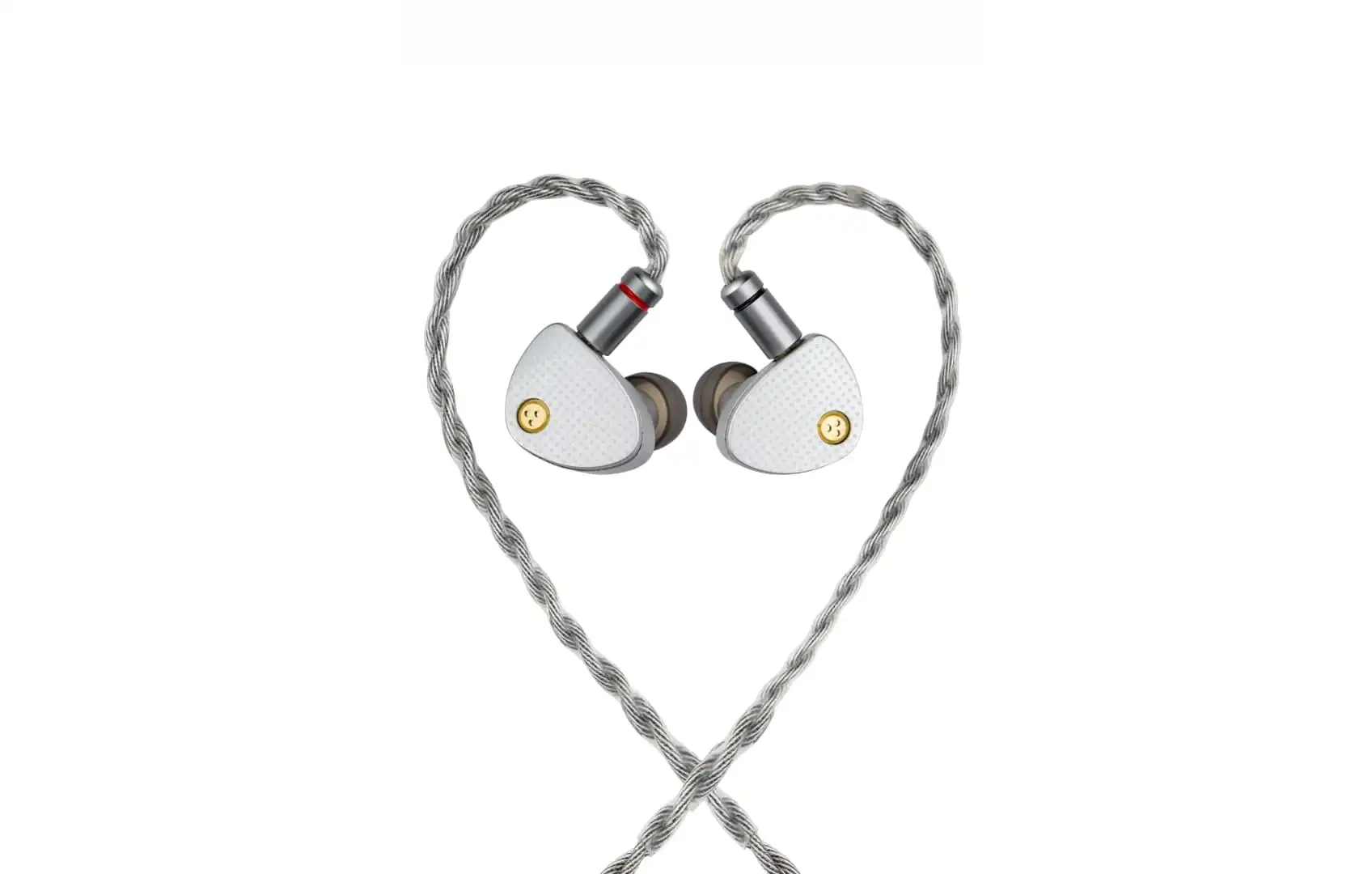
Price: $100
Aria 2 gave dialogue, music, and effects a balanced, approachable presentation without turning every edit into a technical inspection. For assemblies, first passes, social edits, and everyday wired listening, that can be the right balance.
Strengths
- Balanced everyday sound and strong value.
- Suitable for both editing and music.
- Detachable cable with 3.5 mm and 4.4 mm plugs.
- Protective storage case.
Limitations
- The metal shells feel heavier than the lightest competitors.
- Less fit and isolation flexibility than Wave Pro 2.
- No 1/4-inch adapter or direct USB-C option.
- Quiet recording faults required more concentration than through the top picks.
Best for: Budget-conscious editors who want a balanced wired daily pair for assemblies, rough cuts, and general work.
7. KZ ZS10 (8.1/10): Best Inexpensive Backup
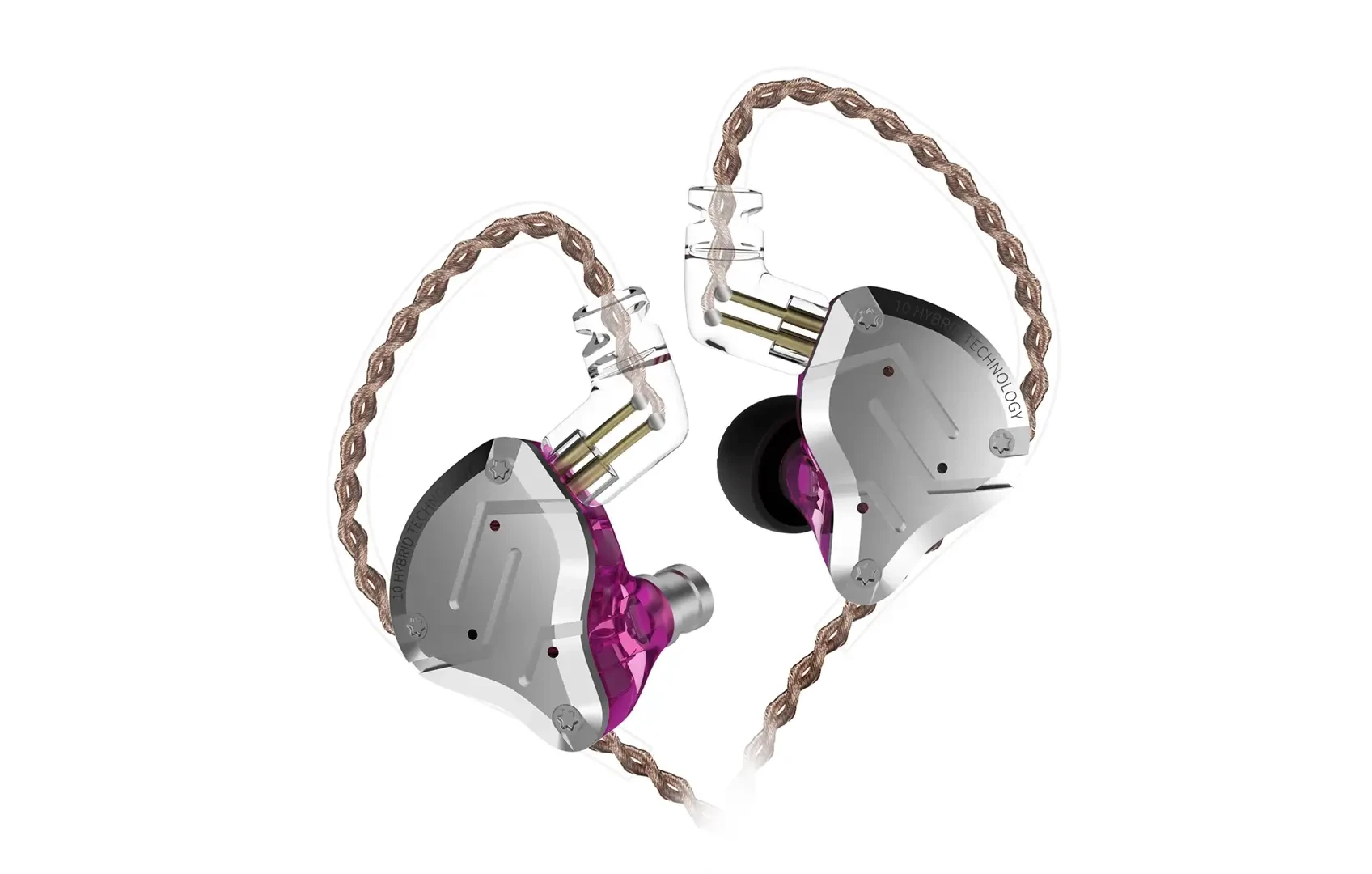
Price: $50
ZS10 makes an immediate impression. Its energetic presentation pushes effects, transients, bass, and brighter details forward. It is an accessible way to try wired in-ear monitoring or keep an emergency pair in a bag.
Strengths
- Accessible entry point and easy to drive.
- Energetic, engaging sound.
- Detachable cable.
- Useful as a camera-bag or laptop-bag spare.
Limitations
- Excited bass and treble make it less trustworthy for final tonal decisions.
- More fatiguing during long sessions.
- Less consistent fit than the higher-ranked options.
- Better as a backup than a sole reference.
Best for: Editors who want a cheap wired spare or a low-risk introduction to in-ear monitoring.
Comparison by Editing Use Case
- Best for most editors: Soundbrenner Wave Pro 2.
- Best for the lightest possible fit: Sennheiser IE 200.
- Best for premium audio finishing: Dunu SA6 MKII.
- Best for loud shared spaces: Etymotic ER3XR if you tolerate deep insertion, or Wave Pro 2 with foam tips for a less specialized fit.
- Best for a fixed interface setup: Audio-Technica ATH-E40.
- Best balanced value: Moondrop Aria 2.
- Best cheap backup: KZ ZS10.
- Best for editors who also shoot: Soundbrenner Wave Pro 2.
What to Know Before Replacing Full-Size Headphones
Fit Matters More Than Driver Count
A poor seal changes bass, isolation, stability, and comfort. Do not judge an in-ear headphone after one medium tip and five minutes. Compare sizes and materials while speaking, moving your jaw, and working through a real timeline. Your left and right ears may need different sizes.
Maximum Isolation Is Not Always Better
Foam tips can be valuable in an office, café, flight, or noisy home. In a quiet room, a lighter seal may feel more natural and make collaboration easier. This is why multiple tip styles are more useful than one maximum-isolation number.
Wired Removes One Variable, Not Every Possible Delay
A wired connection removes Bluetooth transmission from the monitoring path. It cannot repair bad source sync, display latency, software configuration, or a delayed monitoring chain. Check the full system before moving clips to compensate for a problem outside the timeline.
One Headphone Is Not the Audience
Your viewer may hear the final video through a phone, laptop, television, cheap wireless earbuds, car, soundbar, or home-theater system. Use a dependable headphone to work efficiently, then check the delivery through ordinary playback systems.
Route the Cable Once
Run the cable behind the laptop, behind your neck, or down the back of your clothing. Do not leave it stretched across a keyboard, trackpad, chair arm, or zipper. Good cable management turns a wired headphone into a non-issue.
The Bottom Line
Most editing headphones are chosen at minute one. Wave Pro 2 won at hour six.
Sennheiser IE 200 was lighter. Dunu SA6 MKII revealed more microscopic detail. Etymotic ER3XR isolated more aggressively. Audio-Technica ATH-E40 felt more like traditional studio hardware. Moondrop and KZ cost less.
Wave Pro 2 was the pair that solved the most real editing problems at once. It removed hot earcups and headband pressure while delivering clear dialogue, enough separation for layered timelines, three fit and isolation options, wired timing confidence, broad device compatibility, detachable cabling, and a hard travel case.
It does not claim to replace speakers. It replaces the assumption that dependable wired monitoring has to be bulky, hot, and uncomfortable.
At Sale price instead of Original price, Wave Pro 2 is the pair we would recommend first to most video editors.
Comments
No comments yet.