

 Written by Jude Harper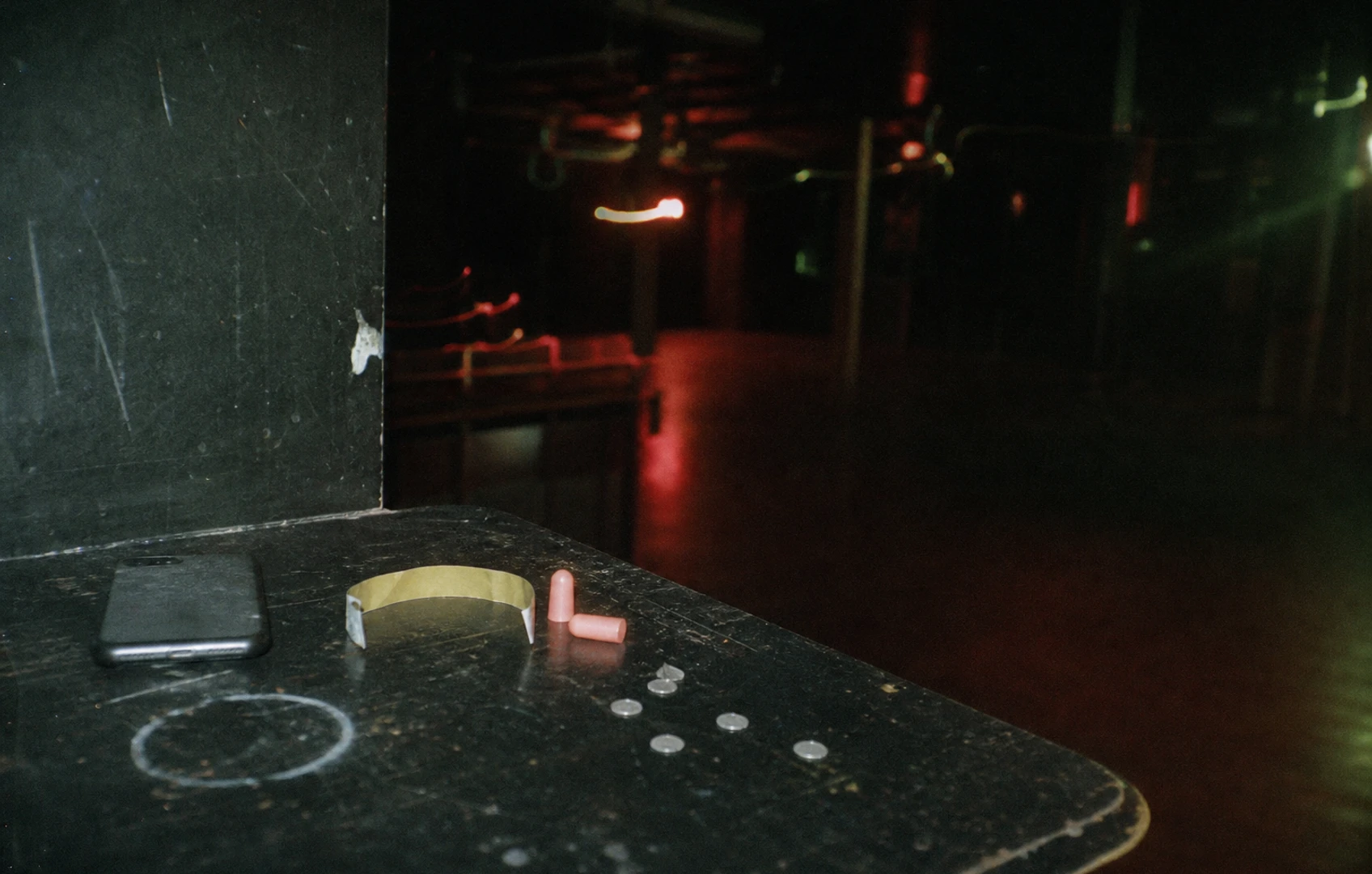
The morning-after score
At some point after the lights come up, every club night turns into evidence: a bent wristband, a blurred clip, a track ID typed badly into a group chat. NME reported on August 23 that Seen Live, a new app described as a “Letterboxd for clubbing,” allows users to rate DJs, log gigs, upload photos and discover artists through other people’s reviews.
The bundle makes immediate sense. Film fans have diaries, runners have routes, record collectors have databases. Clubbing often relies on flyers, ticket emails, shaky memory and the friend who somehow remembers who played at 1:40 a.m. Seen Live offers that fog an index.
The rating part adds static. A film remains broadly fixed between viewers. A DJ set changes with its slot, room, crowd, sound system and the set that came before it. Tap a rating the next morning and you may be grading the headliner, the overbright bar, the stranger who spilled a drink on your sleeve and your own exhaustion in one motion.
A job performed in time
The easiest performance to praise is often the one with obvious movement: quick blends, familiar detonations, a visible jump in energy. Plenty of excellent DJing works through restraint. An opener who holds the room below boiling point may be doing exactly what the night needs. A closing selector can let a strange record run long because the crowd has finally earned that left turn. A rough blend can still open a door that polished competence never finds.
Universal scoring gets slippery here. Genre conventions differ, and slot responsibilities do too. A brief, high-impact set and a long basement session demand different arcs. One rewards compression. The other can spend an hour planting a motif, abandoning it and bringing it back when nobody expects the return. Neither approach fits neatly into a number detached from time and place.
A useful review identifies the assignment before judging the result. Note whether this was a warm-up, a peak slot or a close. Then describe the work: the coherence of the arc, the response to a changing floor, the recovery from a choice that landed cold, or the willingness to take the room somewhere less obvious. Context can recast boring as patient. It can also expose patient as a generous excuse for an hour that never connected.
The club finally gets a diary
The logging function may matter most. Dance music generates artifacts, but they are scattered: stamped hands, saved flyers, half-remembered track lists and voice notes containing seven seconds of kick drum. Major nights and famous names leave sturdy trails. A small room, an early slot and a local DJ can vanish from personal memory even when they shifted a listener’s taste.
A shared gig diary can repair some of that loss. Reviews can help a curious clubber trace a sound through people rather than through isolated tracks. A producer found at midnight may lead to a label, a radio show, a party series or another reviewer whose taste proves usefully strange. That path feels social in a way a recommendation queue built from clean metadata rarely does.
Photos complicate the archive. Seen Live is reported to support uploads, while camera etiquette can run from flash-friendly to strictly pocketed. Darkness and discretion form part of some rooms’ identity. A considerate post can preserve lighting, flyers and atmosphere without turning nearby dancers into content. The memory gains value when the people inside it retain some control over their visibility.
The verdict will escape the night
A public rating is compact enough to outrun its context. Readers skim. If a platform aggregates reactions, a careful paragraph about an adventurous, uneven set can lose the race to the summary score. Popularity can dress itself as quality, while unfamiliar styles collect punishment for refusing to provide immediate recognition.
The pressure cuts several ways. DJs may feel nudged toward dependable peaks and recognizable records because those choices produce instant satisfaction. Reviewers may grade the crowd’s excitement instead of the decisions coming from the booth. A bad room can cling to the artist. Personal feuds, fandom campaigns and comments about appearance can drag the system away from music entirely.
The app is newly reported, so these points belong on a design checklist. Public review platforms need moderation, meaningful reporting tools and enough context to make a rating disputable. They also need to resist turning nightlife into customer service, where every adventurous detour is treated like a late delivery. Otherwise, the selection pressure points toward the safest recognizable track at the exact moment a DJ might have reached for the strange record buried at the back of the bag.
Write the room into the review
A fair club review can be vivid without pretending to be objective. Treat it like field notes, with enough detail for another listener to understand the conditions.
- Place the set in the night. Include the venue, approximate slot and set length when you know them. An opener deserves to be read as an opener.
- Focus on decisions. Note selection, pacing, transitions, dynamics and recovery. A famous name should face the same descriptive standard as a local resident.
- State your own taste. Say when a style rarely works for you. That gives readers a calibration point. Claims about poor execution need musical evidence.
- Report sound cautiously. Harshness, dropouts or distortion can come from several points between the playback source and the room. Describe what you heard without assigning a cause you could not verify.
- Keep uncertain IDs uncertain. A wrong track name can spread faster than a correction. Describe the moment if the title remains unknown.
- Photograph with care. Respect venue rules and camera-free norms. A lighting rig, empty booth edge or worn flyer can tell the story without publishing a stranger’s face.
Write first and score last, if you score at all. A paragraph helps someone choose a night. A rating mainly helps them sort one.
Keep the leaderboard secondary
The richest version of Seen Live would foreground logs, prose and connections between nights. Prompts for slot, venue type and set duration could slow the reflex to grade. Review histories could reveal a writer’s preferences and make a divisive opinion legible in context. Search and discovery could surface detailed notes and reviewers with consistent, recognizable taste.
An app like this also has a chance to value revision. Morning-after certainty fades. A reviewer may reconsider a difficult set after hearing the records it drew from, or realize that a complaint about sound lacked a verified cause. Editable notes and visible context would fit the way musical judgment actually develops.
Searchable memories give clubbing a durable trail. A useful entry carries particulars. It might say the floor was half full at midnight, the opener refused to rush, and one unfamiliar bassline changed the room’s temperature. That note can send somebody out next weekend. Once the lights go down, the phone can return to a pocket.
Comments
No comments yet.