

 Written by Marvin Cavanaugh
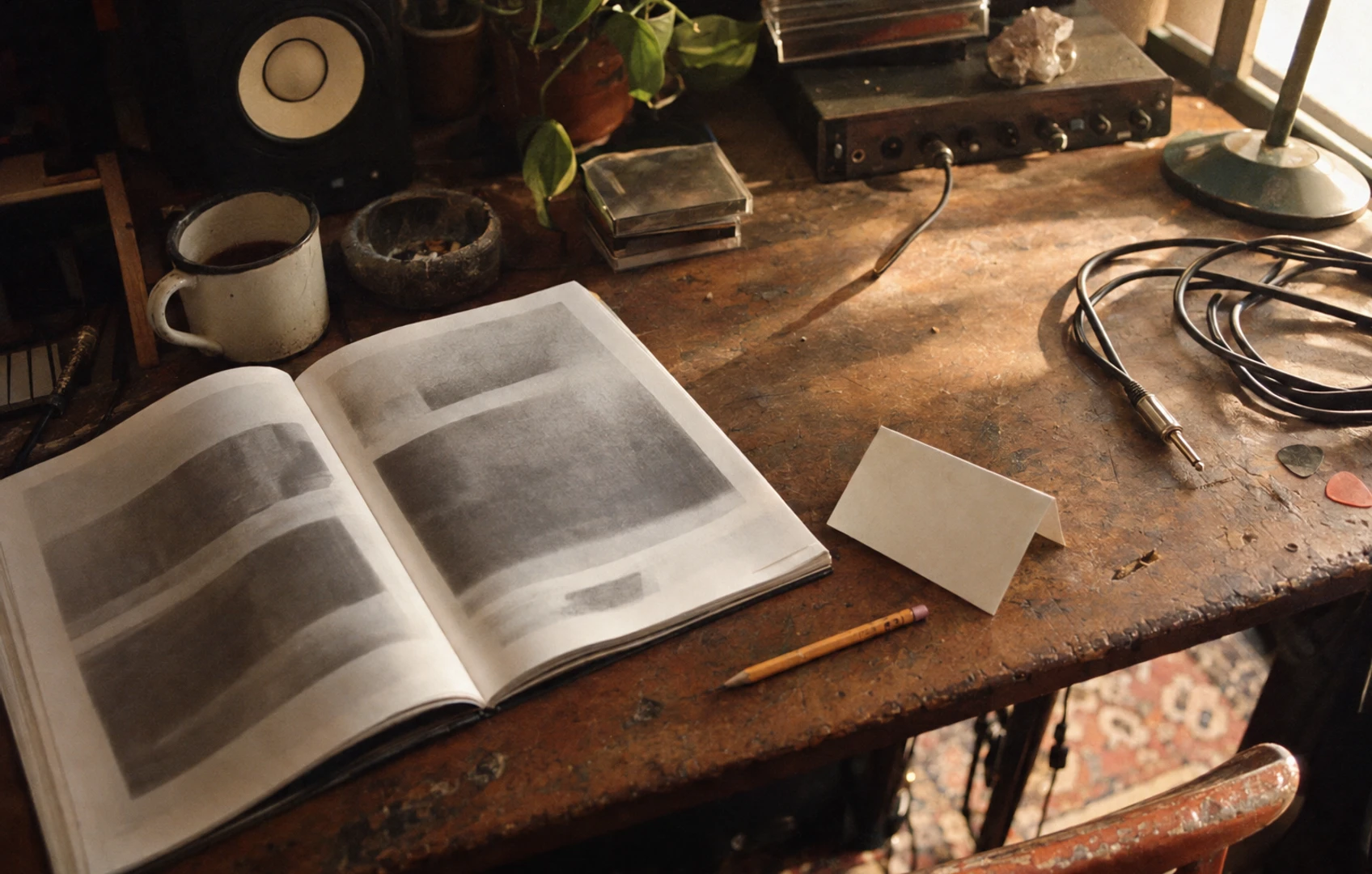
Two magazines on the bench
MusicTech says its November/December 2026 issue goes on sale Thursday, November 26, bundled with NME Magazine. The useful part of that pairing is the change of subject. A recording magazine gets you thinking about how a sound was made. An artist story can send you back to a record with a better idea of what to listen for. Put them beside a session you’re already working on and you have the makings of a decent half hour, even if the gear on your desk stays exactly where it is.
A paper issue has a modest advantage in a room with a computer already doing four jobs. It can stay open to one page while the screen shows the arrangement and the speakers play it back. You can lay a pencil across the bit you wanted to try. That sounds like a low bar until you’ve lost the point of a tutorial while switching between a video, a plug-in window and the track you meant to finish.
Start with the part that bothers you
Before opening either magazine, write down one thing you can hear in the work in progress. “The first line disappears when the guitar comes in” gives you somewhere to start. “The vocal needs polish” could send you browsing until dinner. Put the bar number next to the note if you have one. The useful page in a magazine is easier to spot when you know which four seconds of your own recording you want to change.
Then read for an action you can try with what’s plugged in. If a production feature has you thinking about vocal compression, listen once with the guitar down a little before you reach for a compressor. If you can hear the lyric now, you’ve learned something about the balance. That result gives you a reason to try a small guitar level move under the line. There’s no obligation to reproduce an article’s whole setup, especially when a stock fader can answer the first question.
Give the other magazine a turn
Use an artist interview, review or feature as a prompt to play something. A mention of a spare arrangement might get you listening for when a second part actually enters. A story that sends you back to a familiar singer can be a reason to follow where the words get quiet. You can do this with a record you know well. A familiar chorus saves you the work of learning the song while you’re trying to hear the change.
Write down a moment rather than an adjective. “The guitar backs off for the first words of the chorus” is a useful observation. “Warm” will have you turning knobs with no clear stopping point. And keep the observation separate from the explanation. You might hear the guitar recede without knowing whether the player eased up, somebody rode a fader, or another part changed your perception of the balance. Any of those possibilities can suggest a move in your own session. The published record doesn’t owe you a signal-chain diagram.
Make a ten-minute alternate
Save a copy or use your recording software’s versioning feature. Pick a short section with the problem in it and leave enough audio on either side to hear the transition. Make one change. If you’re trying the guitar level move, start just before the lyric and bring the guitar back when the line is clear. Listen through the return. A fix that’s convincing on a loop can feel like a hole when you let the next bar play.
If you’re comparing processing that adds level, match the playback loudness as closely as you can before choosing. Then listen while doing something ordinary, like looking away from the arrangement and following the words. The question you wrote down should still make sense without the timeline in front of you. If the lyric lands but you miss the guitar’s push into the chorus, shorten the move or try it on the competing chord alone. Ten minutes is enough to find out whether you want to keep working on it.
Keep the result where you’ll find it
Leave a note in the project with the bar number, the change and what you heard. “Bar 17: guitar down under first line, back up before the held chord. Kept for the rough.” A page number is handy if you want to revisit the original idea, but put the actual result in the session. When you open the track two weeks later, the note should explain why that little dip exists before you flatten it by mistake.
Failed trials are worth a line when they rule out an obvious repeat. “Tried bringing up the whole vocal. Breath before the chorus got distracting.” That tells you where to resume and what to listen for on a different speaker. If another musician is due to work on the track, a plain sentence also gives them something to disagree with. They can put the guitar back where it was and tell you why the line works better that way. That’s more useful than finding an unexplained rough mix called ‘new final.’
Let the pile stay small
Use the same routine with an old issue, a borrowed copy or two pieces you’ve printed from the web. The November bundle makes the pairing obvious, but the practical test is whether the reading makes it back into the track. One useful page left open beside the keyboard can do the job for a week. There’s no need to work through the rest in order, and no reason to treat every interesting piece of equipment as an audition you’re overdue to run.
If a feature keeps reminding you of a limit you actually hit, write that down too. “Can’t record the singer and both instruments separately in this setup” is a better note to have on hand than a model name you circled after midnight. If the same limit shows up across several sessions, you have something concrete to investigate. If it doesn’t, there’s a good chance the pencil can go back on the page and the next take can start.
Comments
No comments yet.