

 Written by Levi Torres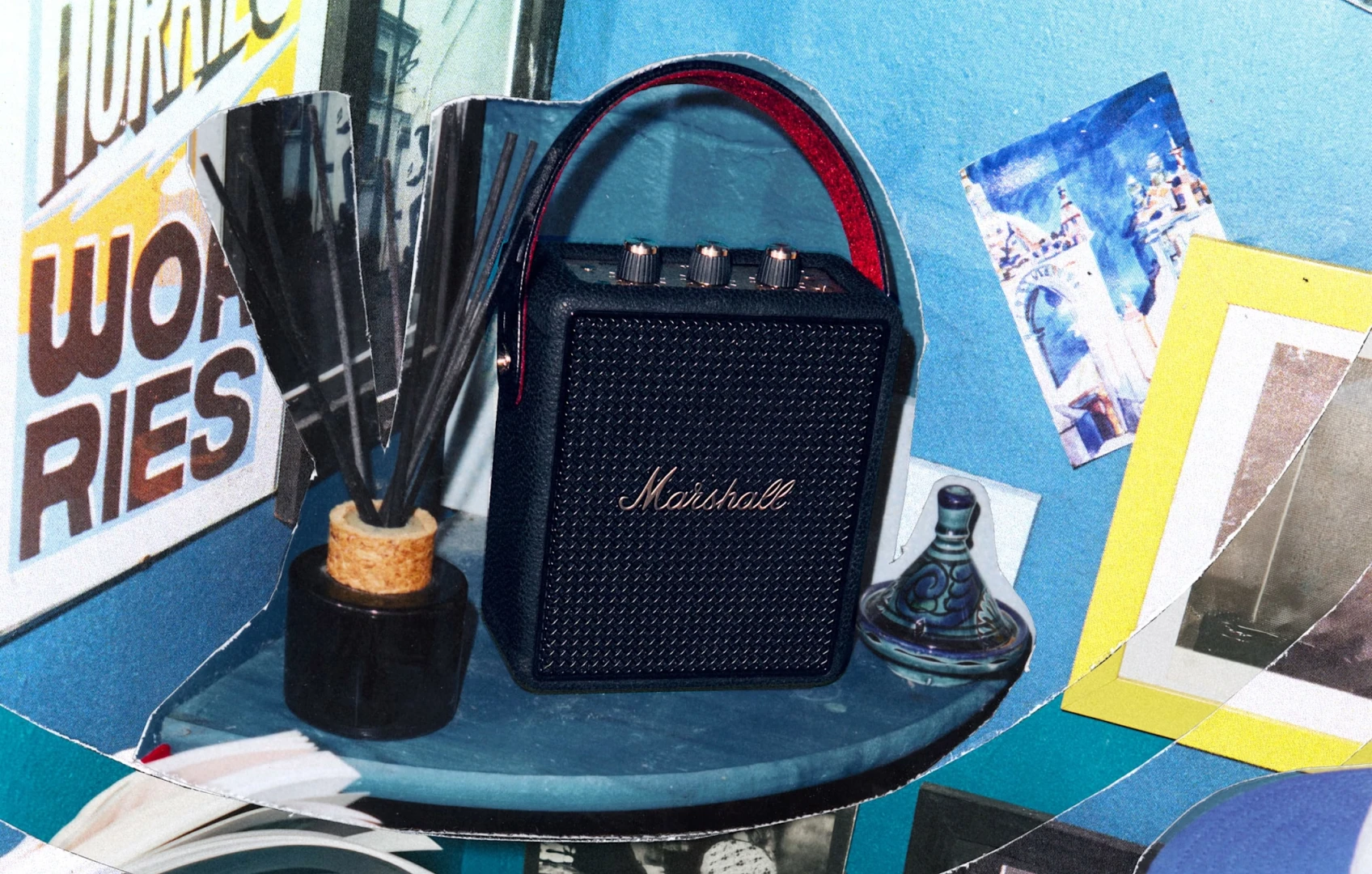
The spec sheet line that actually matters
Portable speakers usually get announced the same way energy drinks get advertised: bigger number, louder promise, one more reason to throw your current one in a drawer. Battery life goes up. Waterproofing gets tougher. The finish comes in a new color that looks great in a render and ordinary in a tote bag.
Marshall’s newly announced Stockwell III does have one of those easy headline numbers — over 40 hours of battery life, according to the company materials cited by MusicTech. Fine. Useful, even. But the more interesting detail is the one that sounds almost boring until you have owned enough dead gadgets: repairable parts.
That phrase deserves more attention than it usually gets in audio coverage, because portable speakers live hard lives. They get tossed in cars, left on patios, charged with whatever cable is nearest, and asked to survive sand, rain, heat, cold, and one friend who thinks every volume knob is a challenge. A speaker that can keep going after the first weak battery, busted port, or damaged grille is not just nicer to own. It changes the whole emotional contract of the product.
Disposable sound has been a bad deal for everyone
A lot of consumer audio has spent the last decade training us to expect a short, annoying lifecycle. The battery fades. The charging port gets touchy. A button stops clicking right. The device still basically works, except for the one thing that makes daily use miserable. Then comes the familiar little ritual: searching for a fix, finding a forum thread from three years ago, discovering the repair is impossible or absurdly inconvenient, and deciding whether to live with the problem or replace the whole thing.
Musicians know this cycle well because we live around gear failure. We tape cables. We label power supplies. We keep one weird adapter because the venue definitely will not have it. But portable listening gear often gets treated as sealed lifestyle stuff rather than equipment. That framing has always been a little fake. If a device is meant to travel, get handled constantly, and provide actual utility, durability is not a luxury feature. Serviceability is part of the design.
That is why the Stockwell III announcement lands as more than a routine product refresh. Repairable parts suggest a manufacturer is at least acknowledging the obvious: the thing most likely to ruin a portable speaker is not a lack of features. It is wear.
Battery life is good. Replaceable failure points are better.
Let’s be fair to the battery claim. Long battery life matters. It matters for backyard hangs, park listening, rehearsal-break playback, busking-adjacent setups, and every situation where “just plug it in” is not a real answer. If the Stockwell III can genuinely stretch to the kind of all-weekend use implied by that 40-hour figure, people will notice.
Still, battery-life bragging has a shelf life of about five minutes. Every brand has a number. Every buyer has learned to translate those numbers into real life with some skepticism, because volume level, connection type, and plain old usage habits change the outcome. The claim gets you into the comparison chart. It does not tell you how the speaker will feel in year three.
Repairable parts do.
They tell you the company expects certain components to age, and that aging does not automatically mean the end of the product. That is a much more grounded way to talk about longevity. It is less glamorous than promising endless power, but it is also closer to how people actually lose gear. Not in one dramatic death. In a slow accumulation of little failures.
For budget-conscious listeners, that distinction matters even more. People do not replace portable speakers only because they are chasing better sound. A lot of replacements happen because one small issue makes the old unit annoying enough to stop using. If a speaker can be kept in rotation with a part swap instead of a full replacement, that is a real quality-of-life feature, even before we get to waste, cost, or principle.
This is bigger than one Marshall speaker
The interesting part of this launch is not that Marshall suddenly invented repairability. Plenty of companies in adjacent categories have been pushed by consumer pressure, regulation, or plain common sense to think harder about parts, access, and lifespan. The interesting part is that portable audio still too often behaves like disposability is normal.
It should not be.
Speakers occupy a weird middle ground in the market. They are personal electronics, but they are also furniture, party gear, travel gear, kitchen gear, picnic gear, and occasionally emergency morale equipment. We ask them to move between rooms and situations in a way we do not ask of a studio monitor or a home stereo component. That mobility creates wear, and wear creates a repair question.
So when a mainstream portable speaker line starts foregrounding modular or replaceable elements, it nudges the category in a healthier direction. Not because every brand will suddenly become noble, but because the conversation changes. Once buyers start asking, “Can this be fixed?” alongside “How long does the battery last?” and “Is it loud enough?” the whole market gets a little less comfortable selling sealed bricks with a two-year vibe.
That shift would be good for musicians too. Plenty of players use portable speakers as reference boxes, writing-room playback, green-room entertainment, teaching tools, and casual gig companions. We do not need every object in music life to be precious. We do need fewer objects that become trash the moment a single subassembly gives up.
What practical buyers should pay attention to now
The phrase repairable parts is encouraging, but smart buyers should stay specific. Repairability can mean a lot of things, and not all of them are equally useful.
First, look for clarity about which parts are intended to be replaced. Battery, grille, feet, switches, charging hardware, and external panels all matter in different ways. A replaceable cosmetic panel is nice. A replaceable battery or port matters more.
Second, pay attention to access. A product is technically repairable in the same way a jar is technically openable with a sword. The real question is whether normal humans can get inside without turning the device into modern sculpture.
Third, consider parts availability over time. The promise only becomes meaningful if replacements remain obtainable for a decent stretch of the product’s life.
Fourth, separate rugged marketing from maintainability. A speaker can be tough and still be miserable to service. It can also be less theatrically rugged while being much easier to keep alive. If you care about ownership beyond the honeymoon period, the second trait may matter more.
None of that is a knock on the Stockwell III specifically. It is just the grown-up checklist. Announcements are where companies tell you the intent. Long-term ownership is where the details cash the check.
The mood change audio needs
There is also a cultural piece here that I like. Repairability introduces a less flimsy attitude toward audio gear. It suggests that ownership can include maintenance rather than just consumption. That is a healthier mindset for music people, who already understand that good tools develop history.
A scratched practice amp, a mixer with one fussy channel you know how to baby, a drum machine with tape residue on the side — none of that is romantic because broken stuff is fun. It is meaningful because a tool that stays in use becomes part of your working life. Consumer audio has often been denied that dignity. It gets sold as frictionless lifestyle vapor until the day it stops behaving.
A portable speaker with replaceable parts will not save the industry by itself. It will not make every company kinder or every product suddenly sensible. But it does point toward a better baseline: gear that expects contact with real life.
That means battery claims are not the whole story. Waterproofing is not the whole story. Brand nostalgia is definitely not the whole story. The useful question is simpler. When this thing gets used the way people actually use it, what happens next?
For the Stockwell III, the promising answer is that next time might involve a screwdriver instead of a landfill. In portable audio, that counts as real progress.
Comments
No comments yet.