

 Written by Jude Harper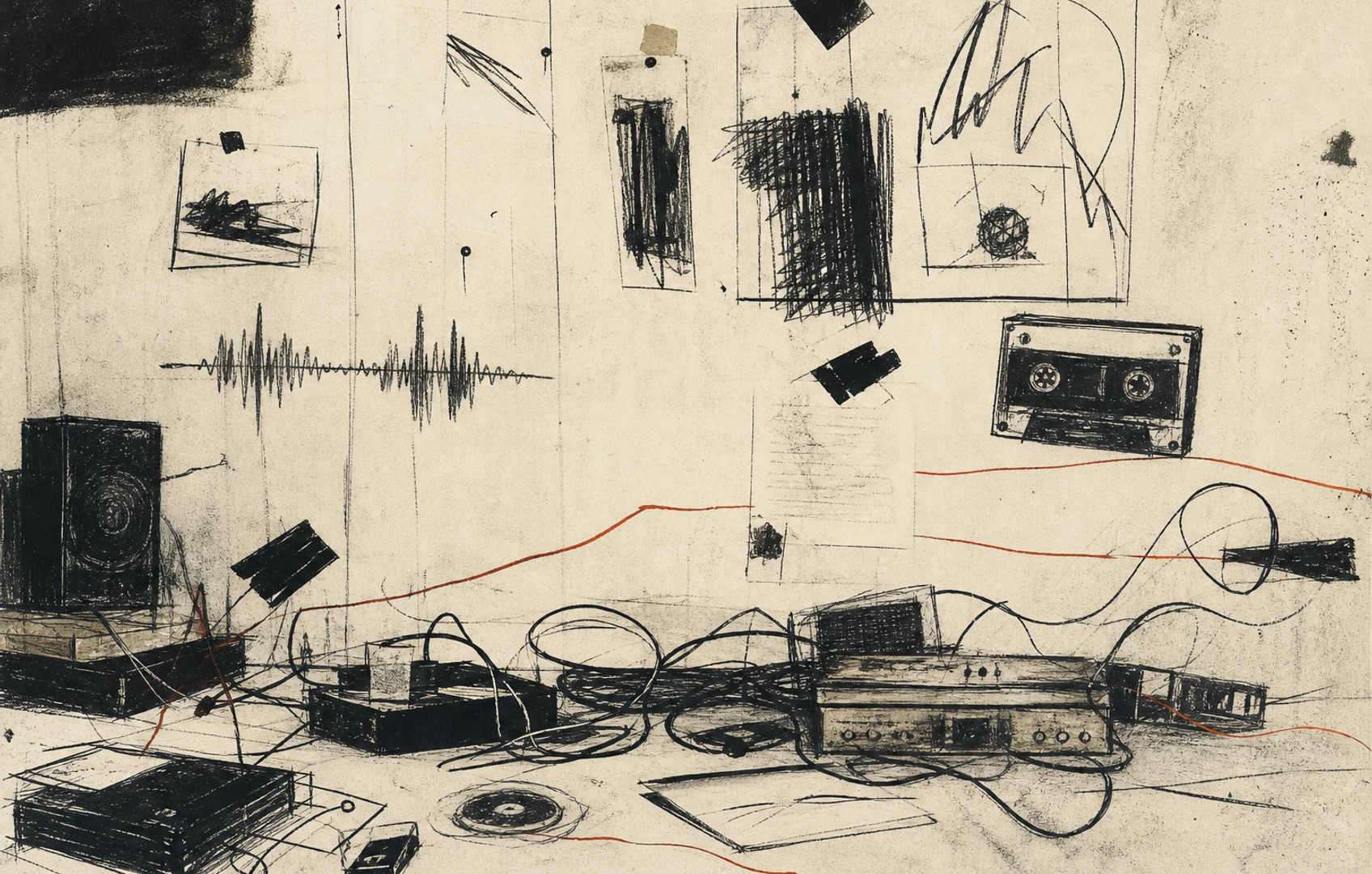
The anniversary gift has changed
Lorde has uploaded 49 demos from Virgin to her XRAYS page, along with photos, notes, and artwork ideas tied to the album’s anniversary. That is the factual part. The more interesting part is the cultural smell coming off it: the modern album anniversary no longer arrives dressed as a deluxe edition with two bonus tracks and a shrug. It arrives as access. It arrives as process. It arrives carrying the bones of the thing and asking fans if they’d like to hear the building creak.
This is where pop has been heading for a while, and Lorde is sharp enough to understand the appetite. Listeners don’t only want the finished cathedral. They want the scaffolding, the pencil dust, the alternate chorus that lost, the image folder, the half-formed mood. They want proximity to decision-making because streaming flattened the old sense of distance. Once every song is permanently available, the scarce object becomes context.
Demos used to feel illicit
There was a time when hearing demos felt mildly criminal, or at least deliciously accidental. You found them on message boards, mislabeled file shares, fan forums with ugly backgrounds, or a friend’s hard drive that looked like it had survived a flood. The demo was evidence from the back room. It carried static and guilt. It let you overhear an artist before the room was cleaned up for company.
Now the demo can be rolled out ceremonially, with its own framing, its own archive logic, its own emotional lighting. That shift matters. The artist is no longer merely surviving leakage or tolerating fan excavation. The artist is curating the excavation site.
Lorde’s move fits that evolution perfectly. By placing demos inside XRAYS, with surrounding notes and visual material, she isn’t just saying, here are extra files. She is saying, here is a guided way to revisit the album as a living object. The fan gets the thrill of discovery without the mess of trespass. The institution of pop has learned to package the sensation of getting behind the curtain while keeping a hand on the curtain rod.
Streaming made the finished version feel less final
One reason this works now is that streaming changed how songs occupy time. Albums used to harden in the public mind because the physical release carried a kind of authority. Track list, sequence, artwork, liner notes: these things announced completion. You could still imagine alternate versions, but the official one had weight.
Streaming made the official version easier to access and somehow less sacred at the same time. Songs are updated, re-uploaded, clipped for social video, folded into playlists, detached from their original homes, and metabolized into mood utility. The album still matters, but it has to fight for its borders. In that environment, demos do something useful: they restore narrative. They remind listeners that songs were made by choices, not summoned from a frictionless content pipe.
That is part of the appeal of a drop like this. It gives the album grain again. You can hear the route, not just the destination. Even people who never make music understand that instinctively. A draft can make a finished song feel stranger, riskier, or more human. It can also make a fan feel smart for noticing what changed.
Fans have been trained to crave metadata with feelings
Pop fandom in 2026 runs on interpretation engines. Listeners don’t stop at liking a song. They annotate eras, compare versions, build timelines, rank leaks against masters, screenshot disappearing details, and turn sequencing choices into personality tests. The song is still the center, but the orbit has gotten crowded with evidence.
That is why notes, photos, and artwork ideas matter here almost as much as the demos themselves. Audio alone gives you one kind of intimacy. Process ephemera gives you another. It lets fans construct a richer myth of making: what the artist saw, what they cut, what they nearly named the thing, what visual weather surrounded the sound.
There is a slightly funny bureaucracy to this kind of devotion. The fan becomes part detective, part archivist, part emotional accountant. But it also reflects a real hunger. Pop stars were once sold as finished surfaces. The current audience tends to value a managed roughness — enough evidence of labor and uncertainty to make the work feel inhabited.
Lorde, who has always attracted listeners inclined to inspect the emotional seams, is an especially clean match for this mode. Her audience is primed to care about drafts because the songs themselves often feel like they were made by someone arguing with her own instincts in real time.
The archive is now part of the artwork
What used to sit outside the album cycle now often extends it. The archive is no longer just storage; it is presentation. That sounds dry until you watch how fans actually behave around these releases. They do not treat them as leftovers. They treat them as fresh text.
This changes the job of the anniversary release. It no longer exists mainly to resell the old object. It exists to reactivate conversation and deepen attachment. A good archive drop can make listeners replay the canonical version with new ears. It can also shift the emotional center of an era. Suddenly the album isn’t just what came out; it is what nearly came out, what was sketched around it, what was abandoned, what was hidden because it wasn’t ready to be public yet.
There is a real editorial intelligence in that. If the internet punishes mystery by trying to solve it instantly, one response is to feed it material that lengthens the life of interpretation. Not endless explanation — that kills the voltage. Better to release fragments that create more angles of approach.
That may be the smartest thing about demo culture when it is handled well. It doesn’t have to flatten the art into a making-of documentary. It can thicken it.
There is still danger in too much access
Of course, access is not automatically liberating. Sometimes it turns art into customer service. Sometimes the demand for process becomes a demand for permanent availability, as if every album should come bundled with a surveillance package proving the artist worked hard and felt complicated.
That can get bleak fast. Not every song benefits from forensic listening. Not every draft deserves canonization. Some mystery is structural. Some songs need the door shut behind them.
The trick is whether the release expands the work or merely feeds the content mill. A dump of scraps can feel dead on arrival if it has no frame, no emotional logic, no sense of why these versions should live now. The audience can tell the difference between an archive and a folder being emptied.
This is where Lorde’s choice looks canny. The XRAYS presentation suggests intention. The demos are part of a commemorative gesture, not random debris tossed into the feed to keep engagement warm. That distinction is everything. People will tolerate curation. They get tired of inventory.
What listeners should actually do with all this
The practical advice is simple: don’t treat demos like a quality contest. Treat them like maps. The fun is not deciding whether the draft was secretly better than the released track, though fans will absolutely do that by lunchtime. The fun is noticing pressure points. Where did the melody tighten? Where did a lyric get less literal? What texture disappeared? Which version sounds emotionally braver, and which one sounds more survivable?
That kind of listening restores some dignity to the act of paying attention. It gets you out of the endless skip economy for a minute. It asks you to hear songs as made things, full of choices that could have gone another way.
And that is the larger reason this release feels timely. Pop keeps getting pushed toward speed, saturation, and permanent present tense. An anniversary demo archive pushes back a little. It says the old work still has unopened rooms. It says the album was never just the upload. It says there is value in hearing the almost.
Somewhere between the official release and the discarded draft sits the version of fandom that makes the most sense now: curious, nosy, emotionally invested, a little overtrained, still capable of being moved by pencil marks in the margins. Lorde didn’t invent that listener. She just gave them 49 more reasons to keep staring at the scaffolding.
Comments
No comments yet.