

 Written by Marvin Cavanaugh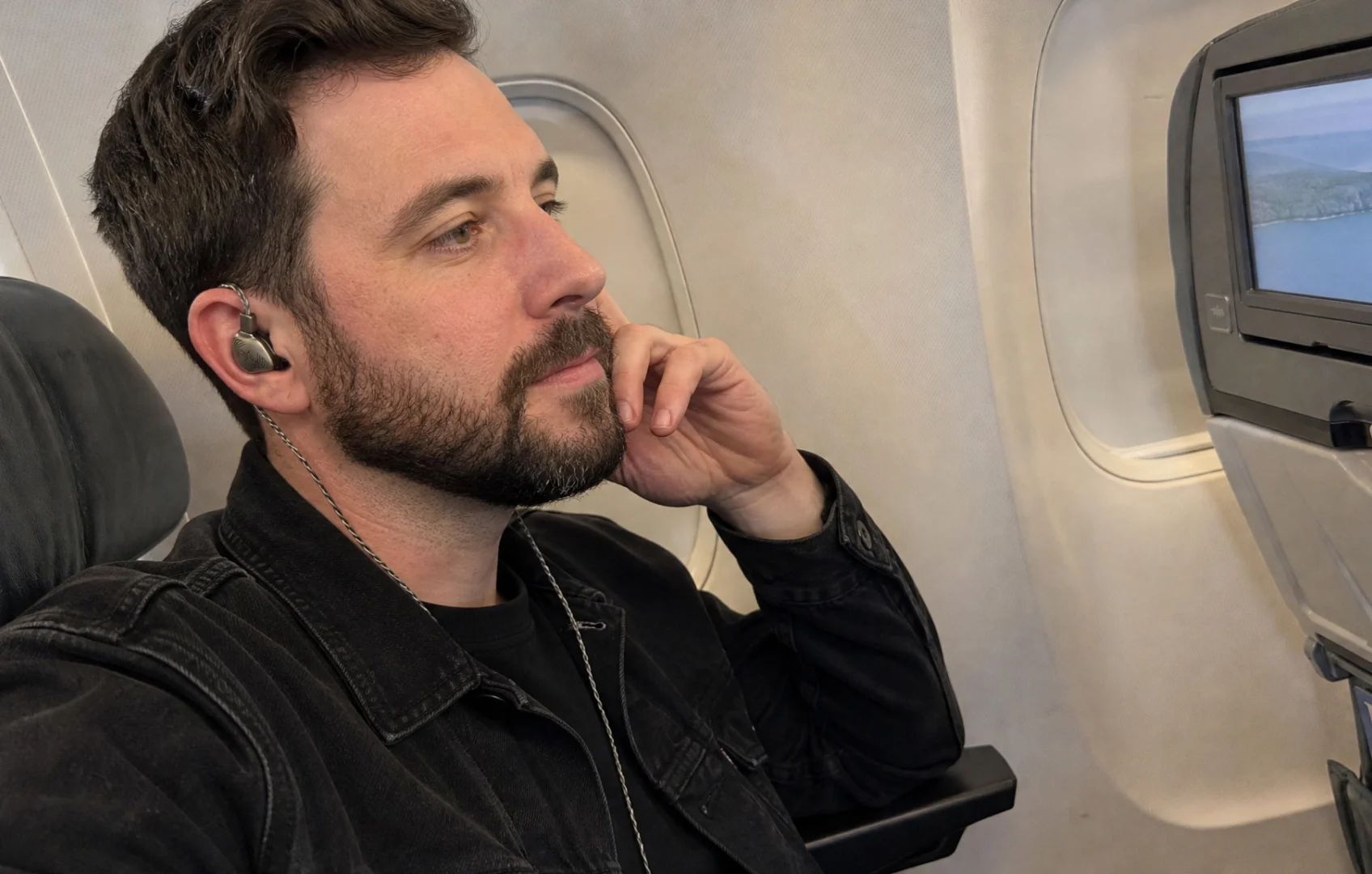
The Flight Audio Problem Starts Before Boarding
Big noise-canceling headphones make sense until you have to pack them. The case eats space. The cups fight your neck pillow. They are great on the plane and annoying everywhere else.
That is why so many carry-on travelers keep asking the same question: can a small pair of earphones replace the bulky travel headphones without making the flight worse?
The answer is not as simple as headphone people or earbud people want it to be. Active noise cancellation is genuinely useful on planes. But long-haul travel also punishes batteries, bulky cases, pairing problems, and bad seatback audio.
"The best travel audio is the pair that still works at hour eleven, when the seat screen is ancient and your charging case is not."
Bluetooth Buds Fix The Size Problem, Then Create Another One
Wireless earbuds are the obvious smaller answer. They fit in a pocket, they are easy at the gate, and they are more comfortable than full-size headphones for some people trying to sleep.
Then the flight starts acting like a flight. The seatback screen may not support Bluetooth. One bud can slip into the seat gap while you sleep. The case needs charging during a long layover. Device switching gets weird at exactly the wrong time.
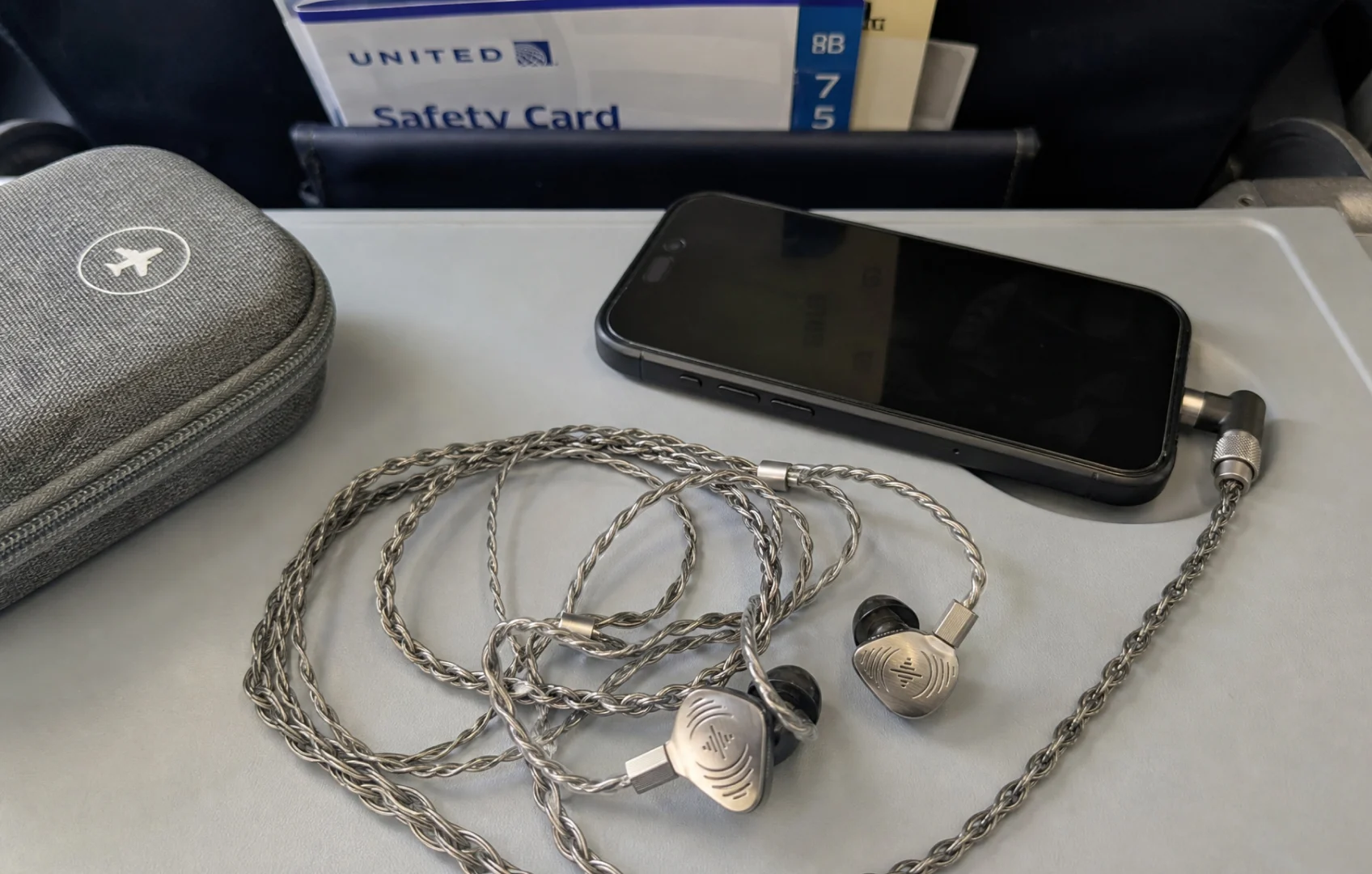
Wireless is not bad. It is just not the only compact answer. A good wired IEM solves a different set of problems: no charging, no pairing, easy inflight entertainment, almost no bag space, and physical noise blocking when the tips seal properly.
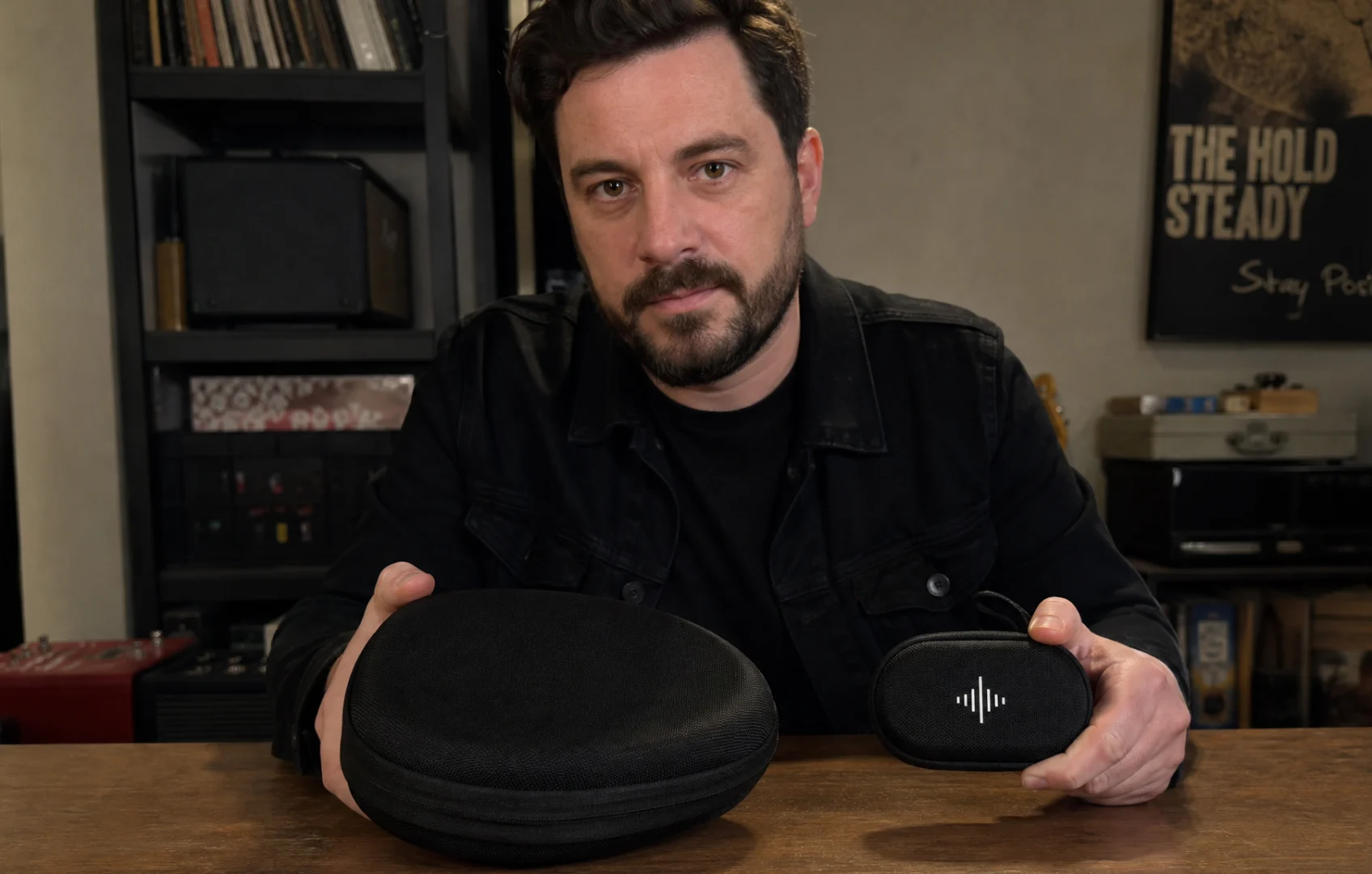
Why Wired IEMs Make Sense On A Plane
That last part is the piece many travelers underestimate. Passive isolation is not a fancy mode. It is a seal. When the ear tip fits properly, less cabin noise reaches your ear before your movie, podcast, or album even starts.
Passive Isolation vs ANC
ANC deserves respect. It is excellent at reducing steady engine drone, HVAC noise, and some low-frequency rumble. If your whole goal is maximum electronic noise cancellation plus quick transparency for conversations, good ANC headphones or earbuds still make sense.
Passive isolation works differently. Foam tips block sound at the ear, closer to how earplugs work. There is no battery, no mode switching, no ANC pressure sensation, and no processing between you and the audio.
The tradeoff is conversation convenience. With sealed IEMs, you usually take one earpiece out instead of tapping transparency mode. That is less slick. It is also simple.
The Fit Test Matters More Than The Spec Sheet
The whole travel-IEM idea lives or dies on fit. A bad seal makes airplane noise louder, bass thinner, and comfort worse. A good seal can make a tiny wired pair feel calmer than its size suggests.
That means you should not judge the category from one cheap earbud or one random tip. Try multiple sizes. Try foam if the cabin is loud. Wear them long enough before the trip to know whether your ears tolerate the fit.
So Which Wired IEM Should You Actually Pack?
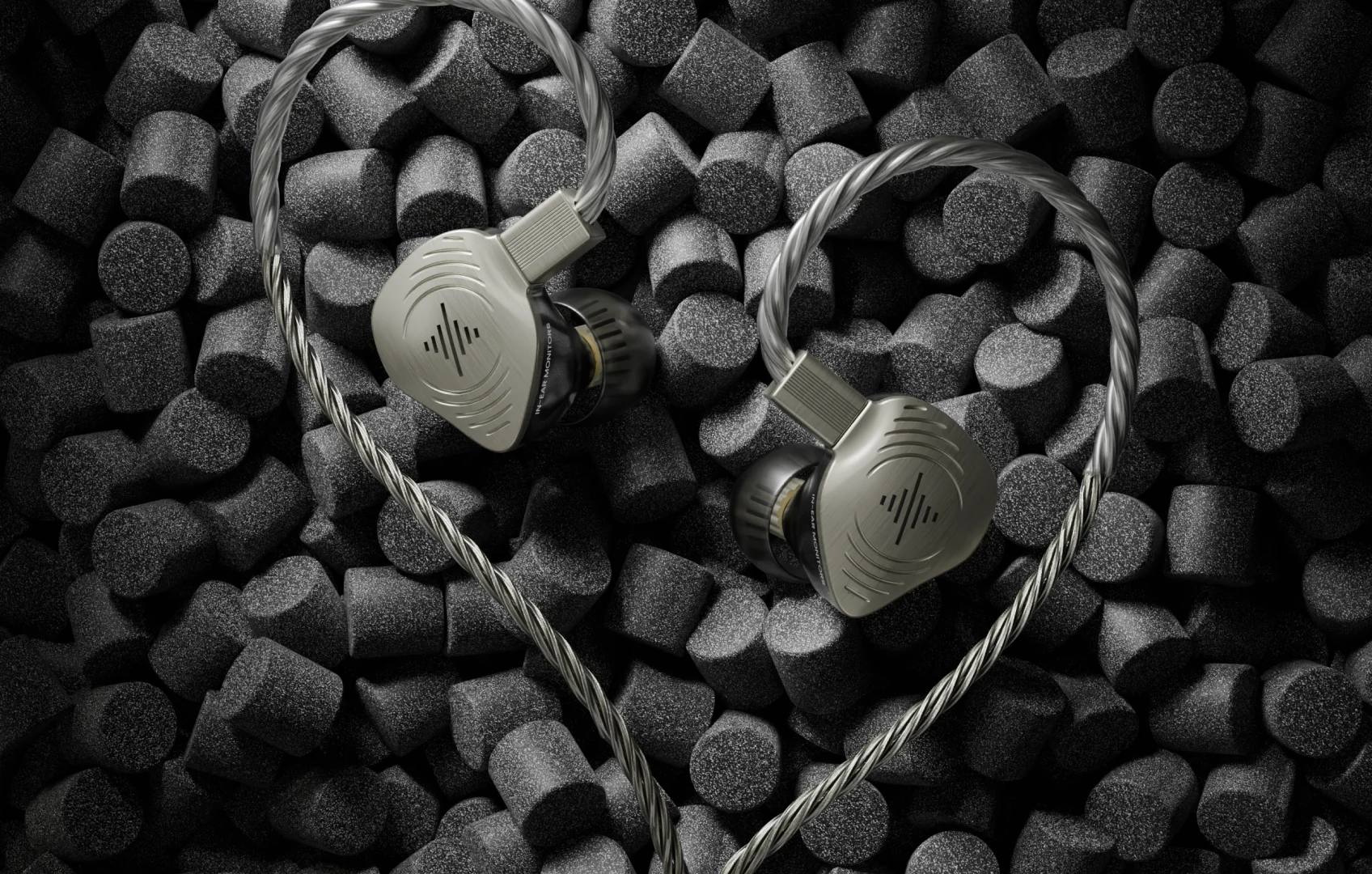
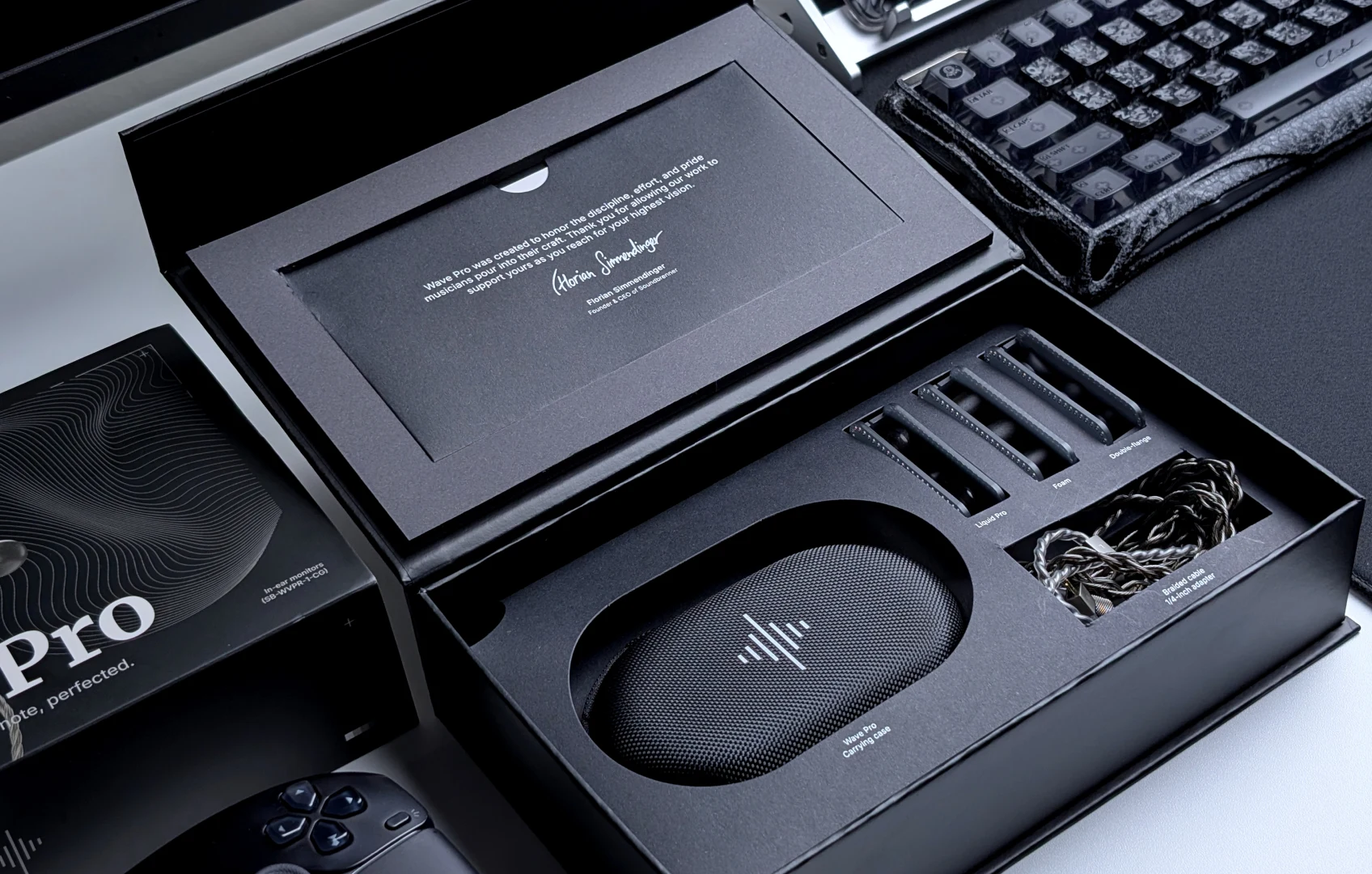
That still leaves the obvious question: out of all the wired IEMs you could bring on a flight, which one is actually worth packing? We built a separate ranked guide to answer that, and Wave Pro 2 came out as our favorite travel-ready wired IEM.
The reason it carries over so well to flying is practical. It is not just a musician product dropped into a travel article. The same traits that make it useful for monitoring also solve long-haul annoyances: isolation, no earphone battery, secure fit, and a cable path that still works when the plane screen is old.
- No battery in the earphones: useful on long flights and multi-leg travel days.
- 3.5mm cable: useful for inflight entertainment, portable players, laptops, and travel adapters.
- Multiple tip styles: Liquid Pro, foam, and double-flange tips in S/M/L give you a real fit test.
- Passive isolation: Soundbrenner rates the foam tips for up to 36 dB of outside-noise reduction.
- Clearer listening: the quad-driver hybrid array helps music, movies, and game audio feel more separated than airline earbuds.
Who Should Still Bring ANC Headphones
- You care most about reducing low engine drone electronically.
- You need instant transparency mode for frequent conversations.
- You cannot tolerate sealed in-ears for long stretches.
- You already wear headphones around your neck and do not mind the bulk.
That is a perfectly reasonable group. This article is not pretending ANC stopped being useful on planes.
Who Should Try Wired IEMs For Flights
- You travel carry-on only and hate bulky headphone cases.
- You want to use your own earphones with inflight entertainment.
- You are tired of charging another tiny device during long travel days.
- You want better sound than airline earbuds without packing full-size headphones.
- You are willing to spend a few minutes finding the right ear tip seal.
For that traveler, the buying logic is simple: choose a serious wired IEM that has already proved itself in comparison, then make sure you pack the right connector for the plane and your phone. That is why Wave Pro 2 is the pick here.
Wave Pro 2 Or Wave?
For long-haul travel, Wave Pro 2 is the stronger pick if you want the fuller kit: more tip styles, a more detailed driver setup, a premium cable system, and the most convincing version of the compact wired idea.
Wave makes sense if your priority is the simpler wired habit at a lower cost. You still get the most important travel basics: a compact IEM, no earphone battery, wired compatibility, foam and silicone tips, and no Bluetooth pairing drama.
The Bottom Line
The smarter flight-audio upgrade is not always the biggest headphone with the strongest ANC. Sometimes it is the small wired pair that fits, seals, plugs into the screen, and never asks whether you remembered to charge it.
If ANC is your main comfort tool, keep it. If the real problem is bulk, batteries, inflight entertainment, and bad airline earbuds, a serious wired IEM is worth testing before your next long-haul flight.
Comments
No comments yet.