

 Written by Marvin Cavanaugh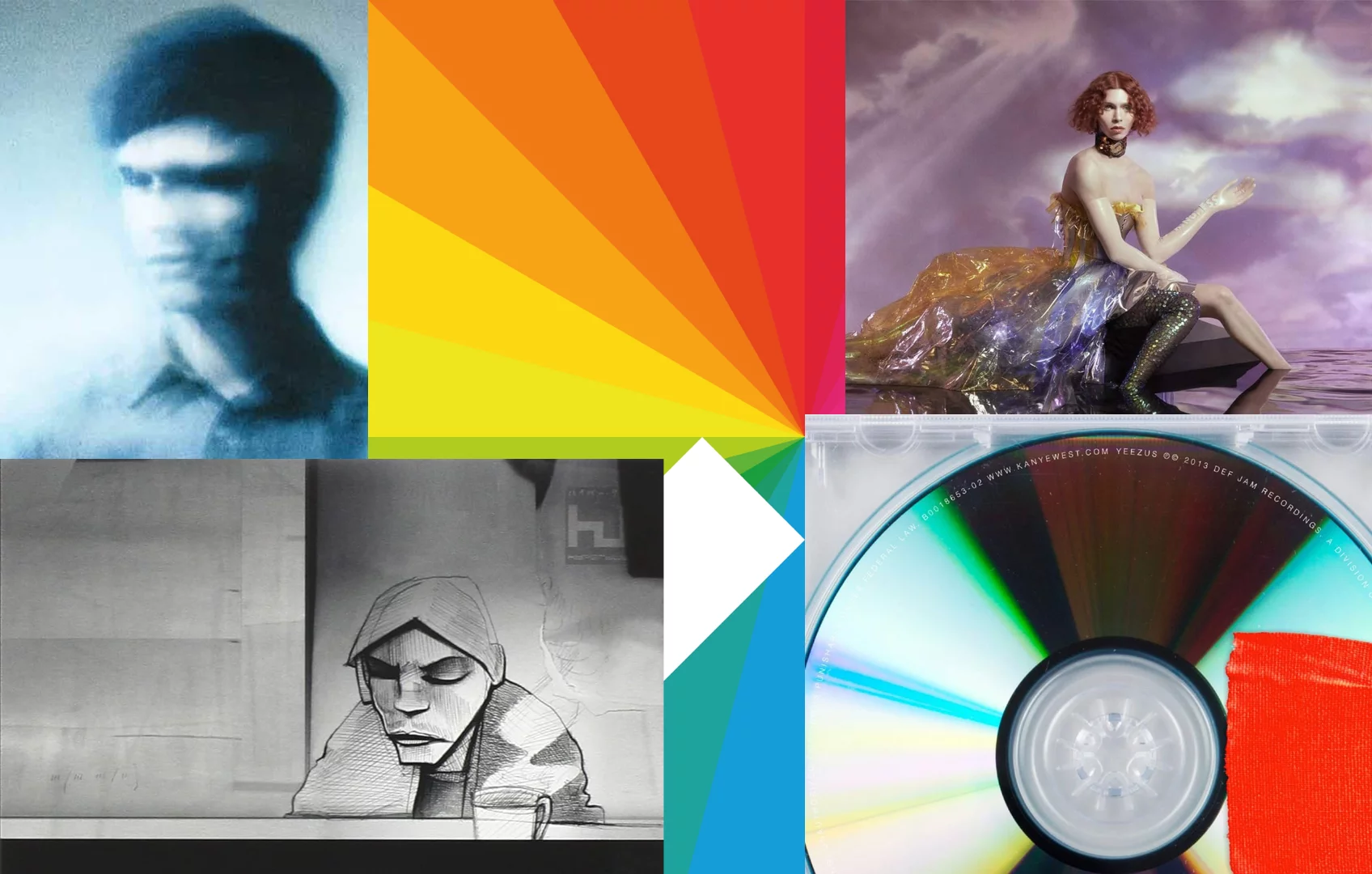
Here's how sonic revolutions really happen
Every few years, an album drops that doesn’t just influence listeners — it reprograms producers. The kind of record that sends people sprinting back to their DAW, muting tracks, deleting plugins, questioning everything. And then imitating everything.
This isn’t about chart performance. These albums aren’t always #1. They’re not always radio-friendly. But when they hit? They shift the collective muscle memory of a scene. Suddenly, everyone’s using grainy tape noise. Or stacked vocals that sound like ghosts in a cathedral. Or kick drums that feel like emotional trauma in 808 form.
Because when a record redefines the sound of what’s possible, it doesn’t ask permission. It just spreads.
Influence by Osmosis: How Producers Catch the Wave
It usually starts small. A few heads hear it early. A trusted producer plays a rough cut in the green room. A clip leaks on Discord. Then, release day hits — and within 24 hours, everyone’s sending stems that sound suspiciously more reverb-drenched than they did last week.
This is how influence works in 2025: not through gatekeepers, but through shared language. And producers are sponges. Not because they’re unoriginal — but because they’re hungry. For new sounds. New textures. New excuses to blow up the template.
Some Albums That Broke the Mold (and Rebuilt It)
- Burial – Untrue (2007) The blueprint for emotionally devastating 2-step. Crackling vinyl hiss. Detuned vocals. No hi-hats in sight. Overnight, producers everywhere went from punchy drums to haunted architecture.
- Kanye West – Yeezus (2013) Industrial noise meets maximalist minimalism. Distortion as a feature, not a flaw. Suddenly, producers were sidechaining distortion on purpose. DAWs became war zones.
- SOPHIE – Oil of Every Pearl’s Un-Insides (2018) Plastic, hyperreal textures that flipped the “clean mix” ideal on its head. Harshness became beauty. Bubblegum turned violent. Producers ditched realism for sonic exaggeration.
- James Blake – James Blake (2011) Space as an instrument. Reverb became sacred. And silence — not sound — started carrying the emotional weight. A whole wave of bedroom producers learned restraint.
- Jamie xx – In Colour (2015) The gentle art of the slow build. Vinyl textures, vocal chops, melancholic dancefloor moments. It’s still influencing indie dance mixes a decade later.
Each of these records didn’t just sound different. They recalibrated the reference point for an entire community. You can hear the ripple effects in everything from underground club sets to Top 40 pop.
Why These Albums Stick (And Others Don’t)
It's not just about innovation — it’s about application.
These albums gave producers permission to do things “wrong.” To overcompress. To underpolish. To stack clashing samples and call it texture. They rewrote what was acceptable, and then what was desirable.
Suddenly:
- Lo-fi wasn’t lazy — it was emotional fidelity.
- Harsh mixes weren’t broken — they were intentional.
- A vocal in the wrong key wasn’t off — it was human.
And once that switch flips in the culture, you can’t undo it. You hear the influence in demo folders. In preset packs. In plugins that wouldn’t exist without the album that inspired them.
What It Means for Producers Now
In a hyper-online music landscape, influence moves faster than ever. But the deep shifts still happen the same way they always have: one record, one sound, one vibe that makes producers say:
“Wait — we can do that?”
And from there, it spreads. Not as theft. Not as trend-chasing. But as a collective reimagining of what music can feel like.
One album at a time.
Comments
No comments yet.