

 Written by Avery Knox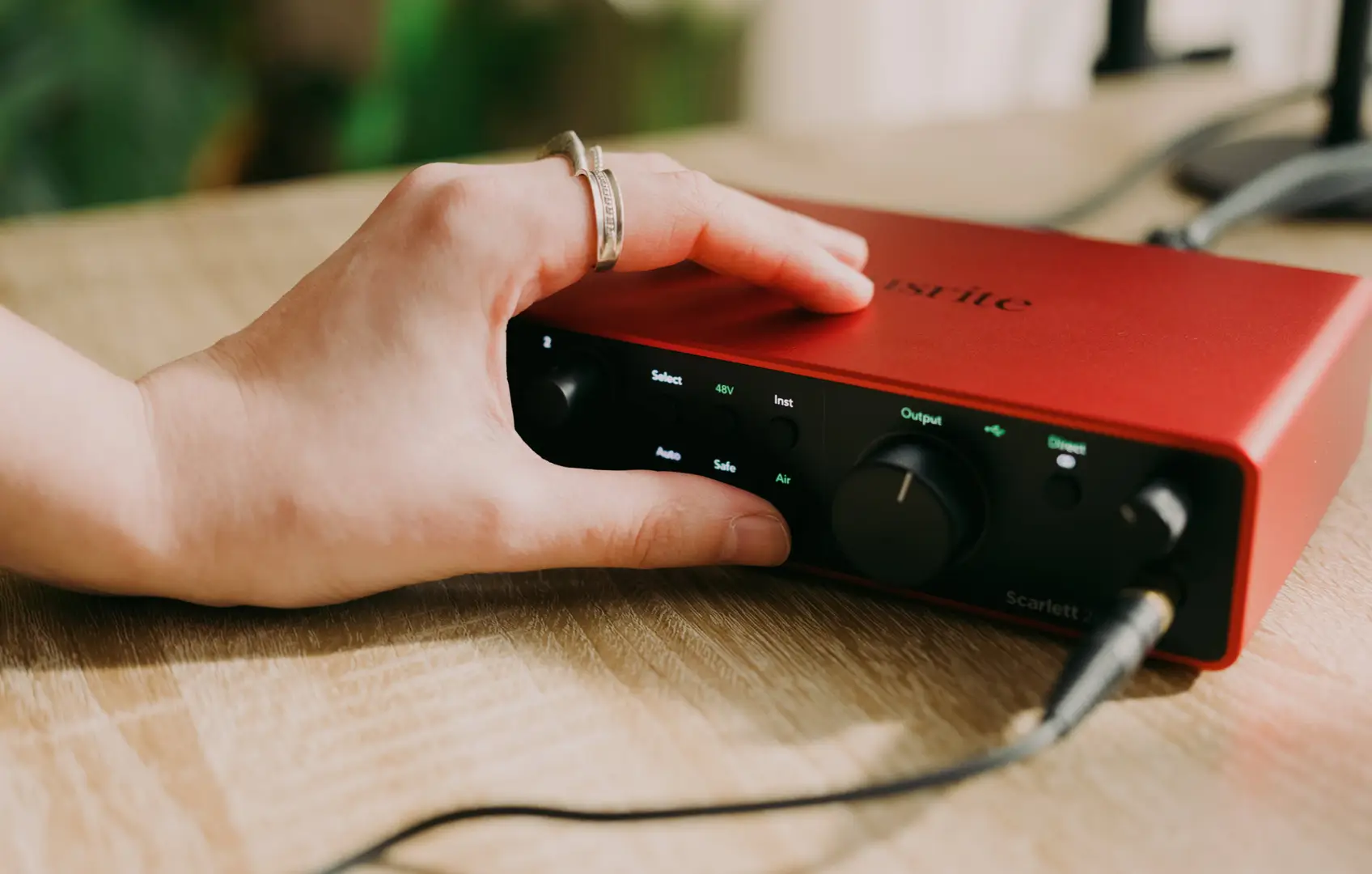
The Legend Returns — But Not Lazily
The Focusrite Scarlett 2i2 has become the default audio interface for entry-level producers and mobile recorders. It's the Toyota Corolla of gear — everywhere, reliable, and rarely exciting.
But with the 4th generation, Focusrite didn’t just slap on a new paint job. They quietly made this thing a legit upgrade. It’s still affordable. Still red. But now? It sounds better, feels better, and actually competes above its price point.
Let’s dig in.
What’s New — And What Actually Matters
Forget the buzzwords. Here’s what you’ll notice as a musician:
1. The Preamps Got Serious
Focusrite added a new “Air Mode” with two stages. Not just sparkle — it adds actual character. Engage it and you get a nice bump in presence and clarity, like someone took the blanket off your mic.
For vocals, acoustic guitar, or bright synths, it’s tasty without being brittle. Leave it off if you’re going for lo-fi or vintage grime.
2. Better Converters, Cleaner Mixes
The upgraded 120dB dynamic range might not mean much on paper, but in headphones and monitors? It translates to more mix headroom, less noise, and smoother lows and highs.
This thing is quiet — like, “record nylon-string guitar next to your radiator and still get usable takes” quiet.
3. Auto Gain + Clip Safe = No More Guesswork
The 4th Gen includes auto-gain and a clip-safe feature that actually works. Tap a button, play or sing for a few seconds, and it sets your level. If you get loud later, it auto-adjusts to prevent digital clipping.
Perfect for vocalists or guitarists who hate riding levels mid-performance. Also ideal if you tend to set levels with “vibes” instead of meters.
Build and Feel: Not Cheap. Not Fragile.
Still metal, still sturdy, but sleeker. Knobs feel tighter. LED feedback is better. The front panel finally looks like it was designed, not just laid out by engineers. USB-C is now standard, which is both overdue and appreciated.
Portability is still a win: toss it in a gig bag, plug it into a laptop, done. It can even run from USB power if your setup’s lightweight.
Sound Quality: Honest, Unforgiving, Right
It’s not warm. It’s not vintage. It’s clean, neutral, and fast — which is exactly what most people want from an interface in this range.
You're not buying color here. You’re buying transparency. You can always add vibe later with plugins or outboard gear. But the 2i2 4th Gen gives you an honest capture every time — and that’s worth its weight in “fix it in post” headaches.
The Downsides (Because There Are Always a Few)
- Still just two ins, two outs. This isn’t a grow-with-you interface — it’s a great fit until your studio gets more complicated.
- No MIDI I/O. You’ll need something else for your synths or drum machines.
- Bundled software is fine, not great. Some DAWs and plugins are included, but you’ll probably outgrow them fast.
Basically: this isn’t a pro studio centerpiece. It’s a sharp tool for focused work.
Who It’s For
- Singer-songwriters, podcasters, streamers, beatmakers, mobile recorders
- Anyone upgrading from a trash interface or USB mic
- Producers who want clean sound and don’t need 10 inputs
Final Verdict: Buy It, Use It, Forget About It
That’s the highest praise an interface can get.
The Focusrite Scarlett 2i2 (4th Gen) does what interfaces should do: it disappears into your workflow. It gets out of the way. It lets you focus on the performance, not the signal chain.
It’s not exciting gear. But it’s confidence gear. And in a home studio, that’s priceless.
Comments
No comments yet.