

 Written by Jude Harper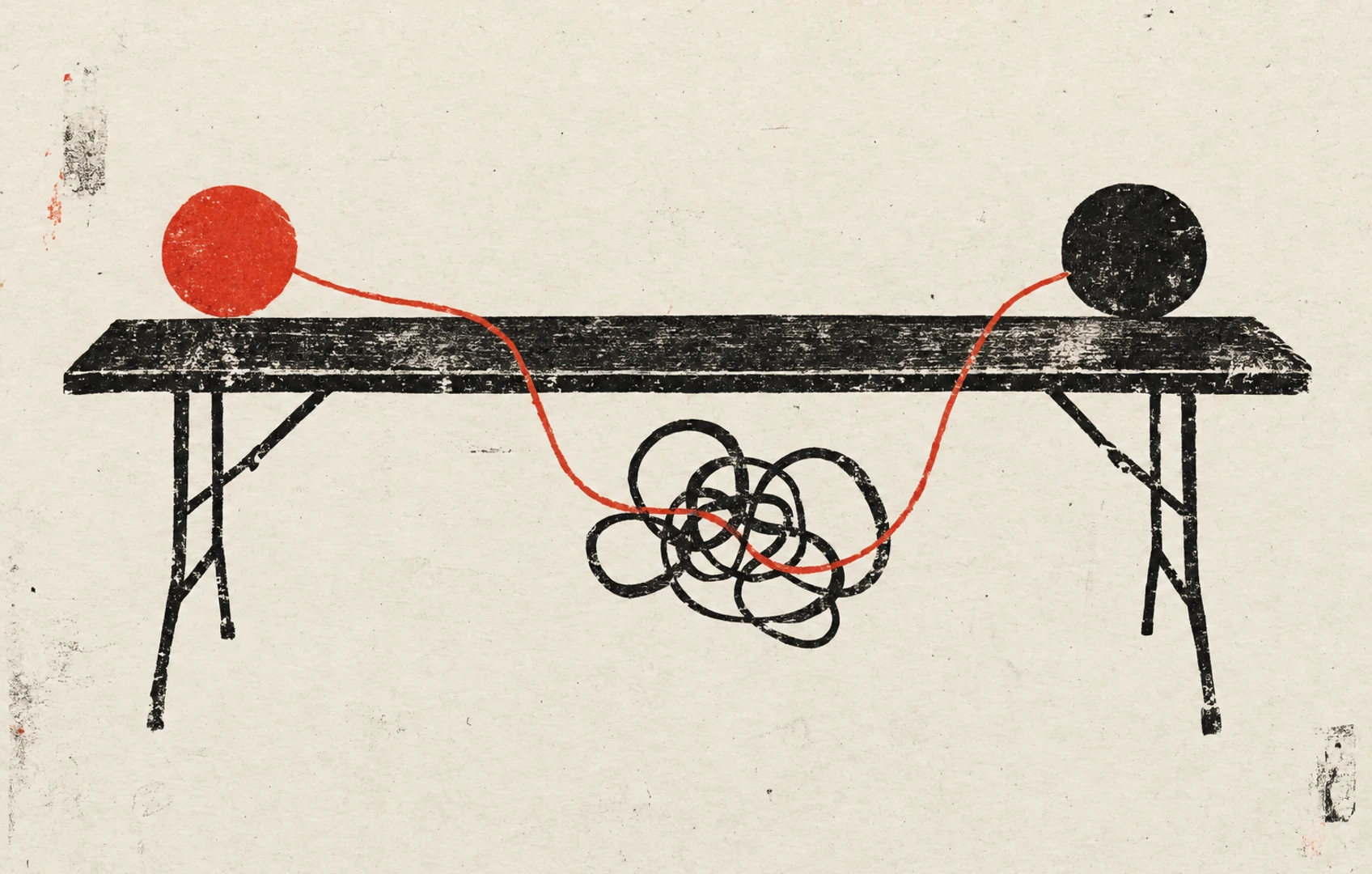
The direct-sale supporting cast
A direct-to-fan music sale comes with a lovely mental picture: an artist on one side of a table, a listener on the other, nobody waving a clipboard between them. Then someone has to send the files and explain what happens if they fail to arrive. The clipboard returns.
On September 25, 2026, Music Business Worldwide reported that direct-to-fan platform EVEN had appointed Josh Remsberg Head of Commercial Partnerships. His remit covers commercial relationships with labels, distributors, managers, artist teams and other partners. That list is the interesting bit. The artist-listener connection has a substantial professional supporting cast.
A personnel announcement offers limited evidence about how well any of this works. It does, however, give us a useful standard to apply to future offers: all those helping hands should leave the artist with fewer loose ends and the listener with a clear understanding of the purchase.
The work behind the table
Selling a record across a folding table feels direct. The stock still had to get there. Someone may have arranged the pressing and carried the boxes. The intimacy of the exchange survives this perfectly well. A helping hand can be a very good thing when the musician has just finished a set.
Digital sales have their own version of the boxes. Somebody needs to decide what is offered and how it fits the release schedule. A manager might be thinking about the artist’s workload. A distributor might need clarity about timing. Those concerns deserve attention before the announcement goes out.
For the artist, the arithmetic should include the work as well as the money. Count the time needed to prepare and deliver the offer alongside any stated fees. Ask which tasks a partner will handle and which stay on the artist’s calendar.
The breadth of Remsberg’s reported remit makes that coordination worth watching. For artists considering a direct sale, the useful starting point is a purpose stated plainly. Perhaps it supports a specific piece of work, or offers an edition listeners have asked for. Put that purpose at the top of the brief the whole team receives.
Give access a delivery date
Consider a hypothetical offer: an album download bundled with a scheduled group listening session. Before anyone writes the breathless announcement, the team should be able to state the file format, delivery date and session arrangements. If the session moves, someone needs to send the update. If the artist is expected to attend, that commitment belongs in the planning.
Access is a wonderfully slippery sales word. It can mean an extra recording, a conversation or permission to open a page. Each creates a different expectation. An artist who can record a brilliant chorus may have no appetite for moderating a discussion every evening, and should be able to offer the music without taking on that job.
A useful launch brief can fit on one page: what arrives, when it arrives, what stays available afterward and who handles problems. Keep any promised human contact realistic. Put a contact route beside the delivery information, where a confused listener can find it without excavating a month of social posts.
The loyalty-test trap
Buying extra music can be joyful. Nobody needs to cross-examine a listener who wants an unusual edition or a closer look at how an album was made. Obsession is allowed to be fun. So is having one song on repeat and absolutely no interest in the bonus material.
Artist teams can avoid the loyalty-test trap by describing the item instead of ranking the buyer. Tell people what is included. Leave out the implication that a listener who passes has failed an emotional entrance exam. People can care deeply about music while keeping their spending elsewhere.
Time matters too. A fan with a shift schedule may be unable to attend a live online session, however much they love the record. Clear timing and any replay arrangements help that person make a sensible decision. Keep ordinary listening links visible wherever they exist, so the paid offer leaves people a simple route back to a song.
Read before paying
For listeners, the romance can survive a little inspection. Before paying for any direct artist offer, check the page for a few details:
- Confirm the connection. Start from the artist’s own channels and read the current offer. A forwarded screenshot may omit the conditions attached to it.
- Separate files from access. Establish whether you receive downloadable audio, account-based playback, a physical item or an event. These provide different ways to keep enjoying the purchase.
- Look for repeat commitments. Check whether the payment is one-off or recurring, and read any stated renewal arrangements. A single exciting announcement can contain an ongoing commitment.
- Find the help route. Save the offer description and confirmation. Check where delivery problems should go, so you have something more useful than a comment box.
If a basic point remains unclear, ask before paying. A clear answer gives you something concrete to judge alongside the excitement of supporting an artist you like.
Watch the next offer
EVEN has given Remsberg a remit that runs across several parts of the music business. If new partnerships are announced, the revealing details will be the division of work and the terms a listener can actually read. Recognizable names alone provide little basis for judging either.
One useful measure of a direct-to-fan arrangement is whether an artist can deliver the promised release without quietly acquiring a second job in customer support. Commercial relationships can help with that work when responsibility is explicit. An agreement that leaves everyone pointing toward somebody else’s inbox would be a poor result for the listener.
Imagine release morning. A confirmation email is missing. The artist is heading into rehearsal. The listener has a train to catch. The contact route should already be on the page, with somebody assigned to answer it.
Comments
No comments yet.