

 Written by Jude Harper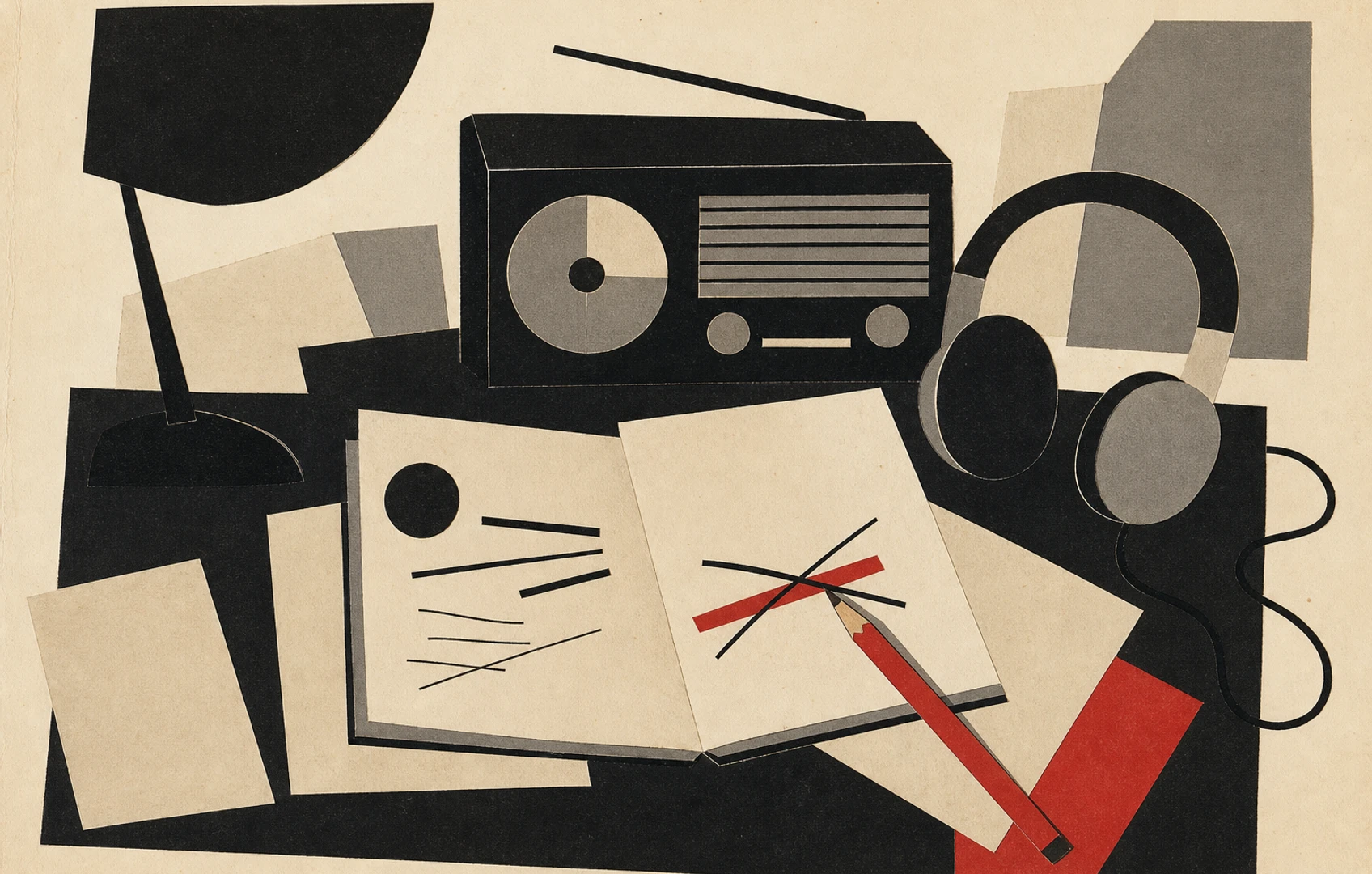
A desk goes quiet
Dave Marsh, the influential music critic, activist, broadcaster, and Bruce Springsteen biographer, has died at 76, Billboard reported on August 15. Springsteen remembered him as “a man of conscience and commitment” who “lived and stuck by his values come hell or high water.” Those words put weight where an ordinary career summary would put credits. They describe a writer whose public identity was bound to positions taken and arguments sustained.
Music writing tends to process its dead by sanding off the splinters. The difficult verdicts disappear, the feuds become colorful lore, and everyone winds up “important.” Marsh’s useful legacy sits in the friction. A critic can love songs fiercely while treating the systems around them as fair game. The byline can carry responsibility as well as appetite. In a media economy crowded with reaction clips, star scores, and algorithm-fed agreement, that proposition lands like a red pencil slapped onto a desk.
Taste was the ignition
At its smallest, criticism is a recommendation engine with better verbs. It tells you whether to spend forty minutes on a record. Useful, certainly, but thin. The shape of Marsh’s career suggests a wider job description. Activism asks what music does in public. Broadcasting makes the critic answerable to voices and listeners outside the page. Biography forces an argument to survive contact with years of evidence.
That combination changes the review. A snare sound, a lyric, or a singer’s phrasing still matters. So do labor, power, history, access, and the stories an industry repeats until they harden into common sense. Strong criticism connects the sensation in the headphones to the conditions that delivered it there. It explains why a pleasure matters and who may be missing from the frame.
Readers can feel the difference. Hype copy announces importance. Criticism demonstrates stakes, then leaves enough evidence on the table for somebody else to start a fight.
When the critic enters the machinery
The old fantasy of the critic as a spotless observer has always had suspiciously good lighting. Writers depend on editors, access, archives, audiences, and the health of publications. A broadcaster works within schedules and formats. An activist declares commitments. A biographer builds a long relationship with a subject and the subject’s orbit. Marsh’s linked identities make those pressures visible.
Visibility is useful. Readers deserve to know what a writer values, where access came from, and when friendship, fandom, or institutional ties might bend the view. Distance can protect judgment, though distance alone never produces honesty. A disclosed position gives the audience something to examine alongside the prose.
This matters beyond professional criticism. Fans now perform criticism every day through playlists, reaction videos, group chats, and recommendation posts. Before repeating a verdict, locate its wiring. Check whether the writer was in the room and whether a label supplied the premise. Separate claims about the music from claims about the campaign or a grievance imported from last week. Turn the little flashlight around and inspect the hand holding it.
Conviction leaves bruises
A critic who takes sides can be gloriously, stubbornly wrong. Certainty can turn taste into a checkpoint. Polemic can flatten artists into symbols. Canon-making can keep rewarding the same shelves while whole rooms of music wait outside. The louder the authority, the longer a bad judgment may echo.
Any honest appreciation of forceful criticism has to keep those bruises in view. Combativeness deserves no halo of its own. The valuable part is accountable commitment: evidence stated clearly, interests disclosed, and conclusions left open to revision. A critic should be allowed to change their mind without quietly deleting the old one.
That offers a practical rule for publications and independent writers. Preserve the original review. Add a dated note when fresh reporting alters the picture. Commission disagreement instead of hiding it in a comments bin. If an artist, scene, or audience was dismissed through a lazy assumption, name the assumption. The archive should show the crossed-out sentence and the correction beside it, graphite still smudged on both.
The feed prefers heat without memory
The current music feed loves the temperature of an argument and often loses its memory. A verdict arrives before the second chorus, gets clipped into a screenshot, then survives as evidence that one camp hates another. The original review may sit unread beneath the social post carrying its most combustible line.
That system makes conviction easy to imitate. Volume resembles principle from a distance. Branding resembles consistency. A writer can become a character trapped inside yesterday’s opinion because reversal confuses the audience and nuance travels badly in a thumbnail. The result is plenty of combat with very little public work.
Marsh’s career, as described across criticism, activism, broadcasting, and biography, points toward slower forms of accountability. A broadcast has listeners who can answer back. Activism eventually meets an institution, a meeting, or a demand. Biography requires chronology. Criticism gains force when it can remember what the writer said five years ago and test that claim against the record now playing.
For editors, the practical move is simple enough to schedule: pair the instant review with a six-month return. Let another writer challenge the first piece. Keep corrections attached. Give the argument a second date on the calendar, after the promo cycle has packed its lights.
A field kit for useful disagreement
Copying any critic’s tone would miss the harder inheritance. Writers can borrow a method while keeping their own ears. The following field kit works for album reviews, scene reports, newsletters, podcasts, and the furious note drafted on a phone after a disappointing encore.
- State the stake. Explain why this release, performance, or industry decision deserves attention. “Everyone is talking about it” merely reports the campaign’s success.
- Separate hearing from inference. Describe the sound first. Identify where interpretation begins. Readers should be able to dispute the conclusion without wondering which musical detail prompted it.
- Report around the rollout. Press materials establish names, dates, and declared intentions. Context comes from credits, prior work, affected communities, and people who have less incentive to flatter the release.
- Disclose your position. Long fandom, previous criticism, personal connection, and unusual access can all sharpen a piece. Put them where readers can see them.
- Build a door for revision. Save notes. Link corrections. Revisit confident claims. Invite an editor to mark the line where argument becomes performance.
This approach also helps readers. When a review produces instant agreement, pause at the sentence that did the persuading. Was it a concrete observation, a historical connection, or a beautifully sharpened insult? Only the first two remain useful once the applause dies down and the tab closes.
Keep the argument in public
Marsh’s death ends a long public byline. A respectful accounting can hold admiration and disagreement without sanding either smooth. Springsteen’s quotation centers conscience and commitment, qualities that ask something of the living press.
Editors can fund follow-ups instead of feeding the release-day furnace, while critics reveal their wiring and retain the receipts. Readers can meet a changed mind with curiosity, without treating revision as surrender. A single approved canon and a house style of righteous thunder would only shrink the room.
The common need is a place where claims endure long enough to be checked. Picture the desk after midnight: radio warm, headphones crooked, notebook open, red pencil waiting above a sentence that may still be wrong. The work resumes when the pencil comes down.
Comments
No comments yet.