

 Written by Marvin Cavanaugh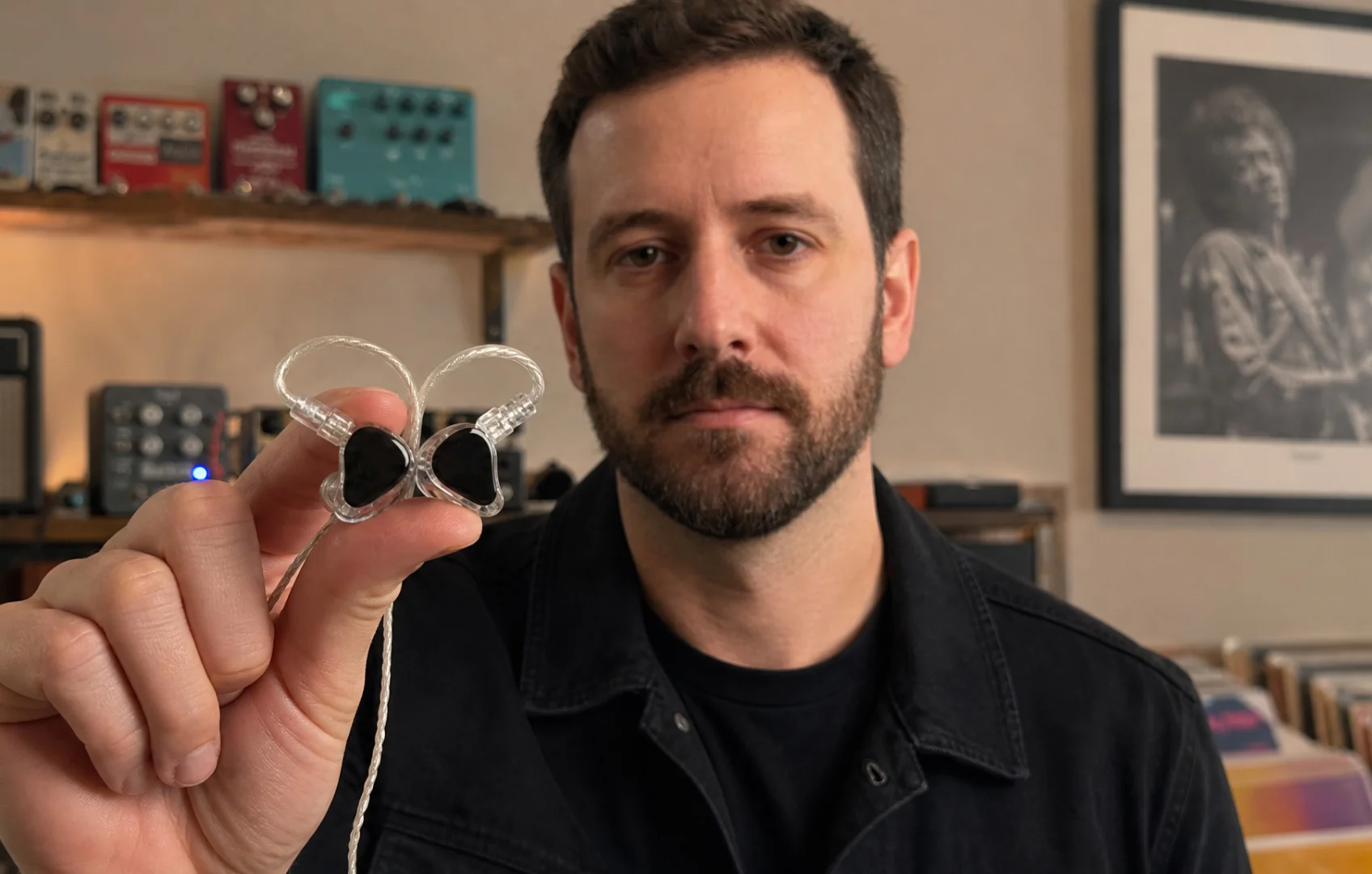
The Easy Comparison Is Almost Useless
Comparing custom IEMs to a cheap loose pair is not very helpful. Of course the custom option looks better when the alternative is one tip style, weak isolation, and a cable that feels like it came from a drawer of forgotten chargers.
The better comparison is harder and more useful: custom molds against a serious universal IEM built for musicians. That is where the decision stops being a status question and becomes a practical test.
I started skeptical of the universal option. If custom molds are made for your ears, should they not win automatically? Sometimes they should. But not in every category that matters to working musicians.
"Custom molds win the idea of perfection. A serious universal IEM can win the first practical move."
Round One: Fit And Seal
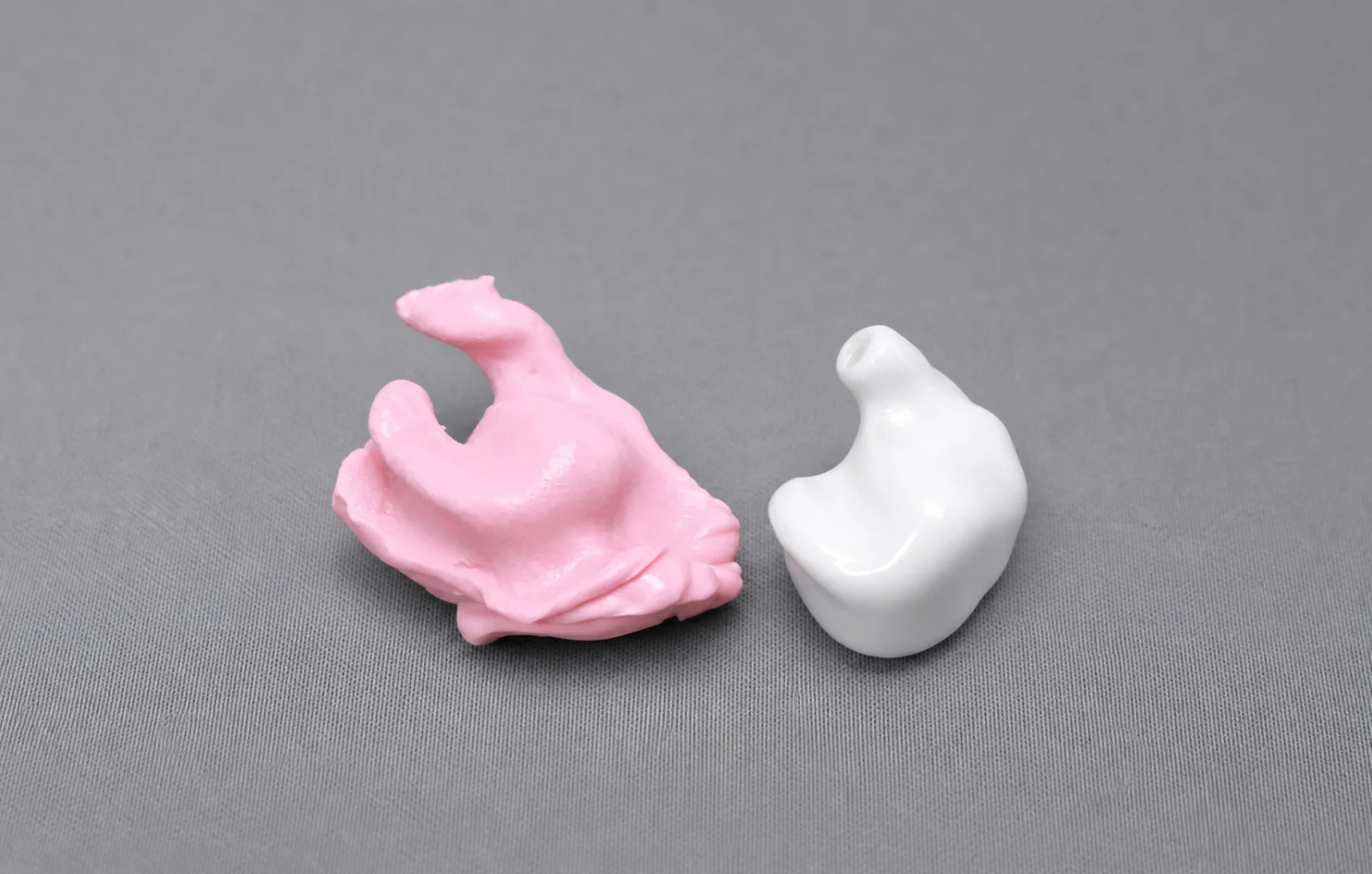
Custom molds have the cleanest theoretical answer to fit. They are shaped from your ear, and when the fit is right, the seal can feel locked in a way normal tips rarely match.
That is the point customs deserve to win. If normal tips never seal your ears, or if you need a personalized stage solution for heavy touring, customs are not hype. They are the right tool.
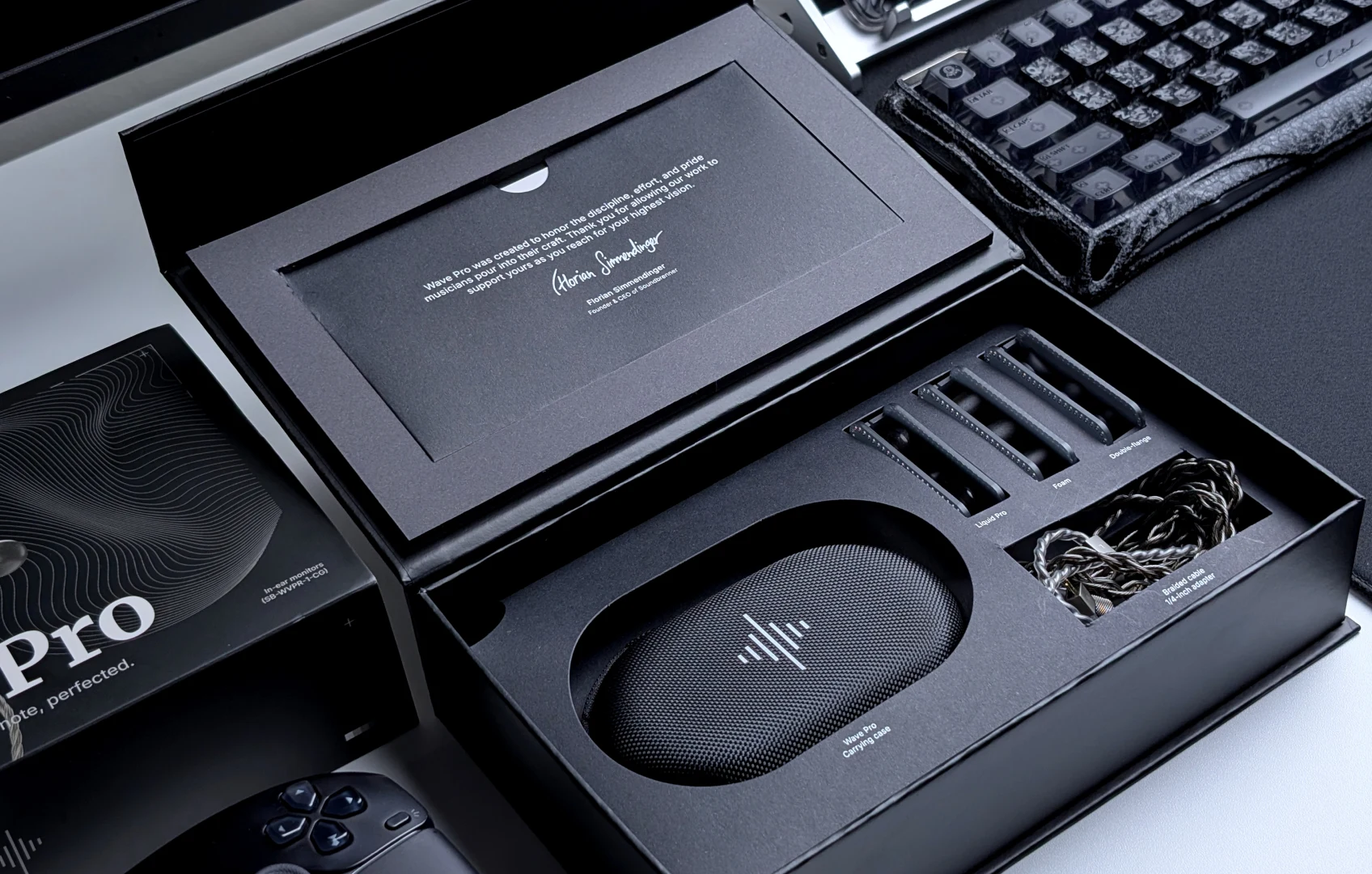
The universal counterargument is adjustability. A serious universal IEM should not ask you to judge fit from one generic tip. That is why we use Wave Pro 2 as the comparison model here: in our musician-IEM testing, it is the universal pick that makes the custom question fair because it includes Liquid Pro, foam, and double-flange tips in S/M/L, which lets you test seal before assuming your ears require a custom shell.
Winner: customs for the best possible personal fit. Wave Pro 2 for the musician who has not yet proven that a custom shell is necessary.
Round Two: Isolation In A Loud Room
Many musicians think they are buying sound quality first. On stage or in rehearsal, they are often buying isolation first. If drums, amps, wedges, and room noise leak in, the mix gets harder to trust no matter how expensive the earphone is.
Custom molds can isolate beautifully. The surprise is that a well-sealed foam tip can answer the same question for far less commitment. Foam tips work on the same physical idea as earplugs: block sound at the ear before you raise monitor volume.
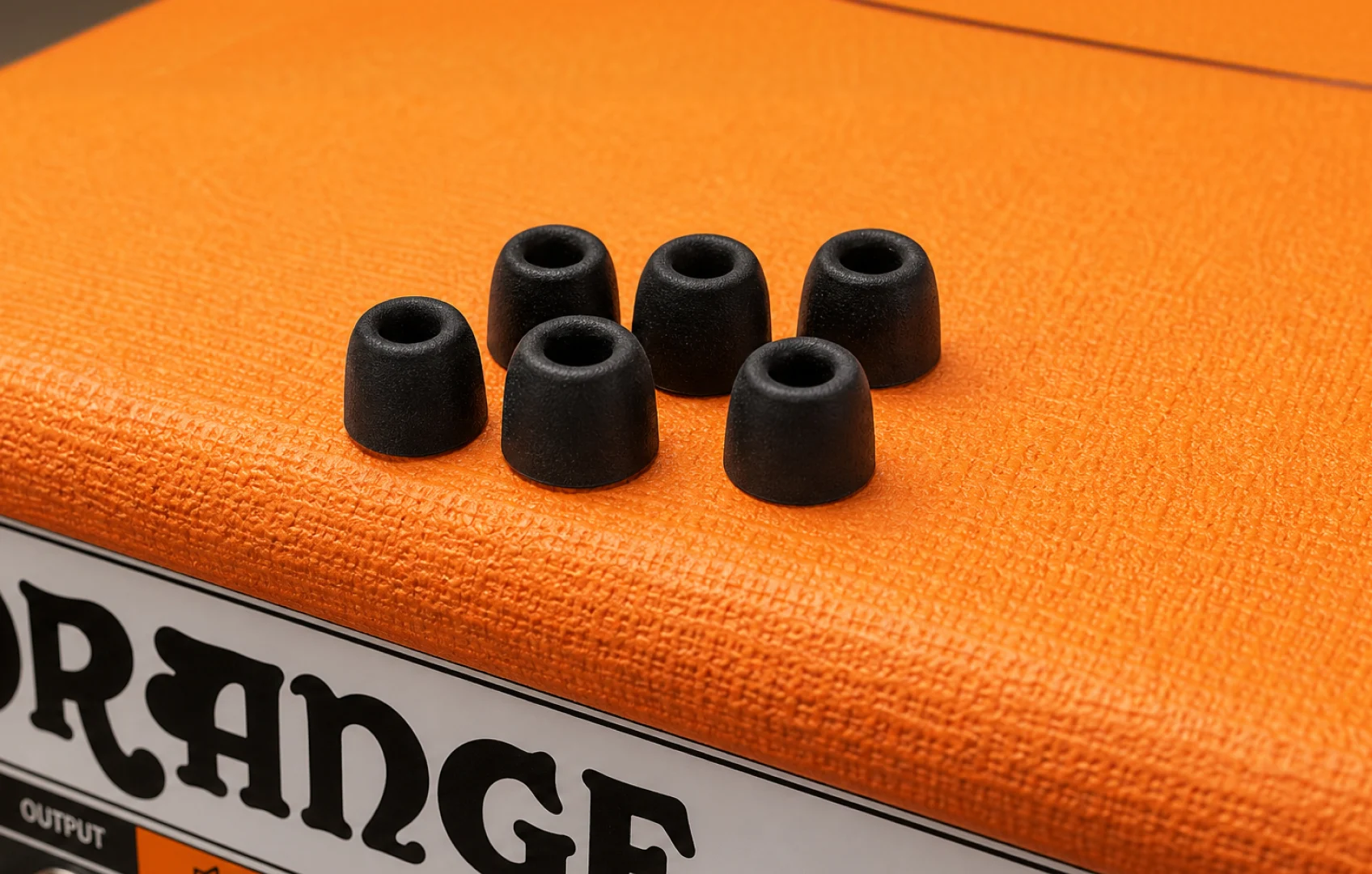
Wave Pro 2 foam tips are rated by Soundbrenner for up to 36 dB of passive isolation. That does not make them custom molds. It does make them a serious first isolation test.
Winner: closer than the custom myth suggests. Customs can be excellent, but a sealed universal IEM can solve enough room bleed for many musicians.
Round Three: Hearing The Mix
A musician mix is not background listening. Singers need pitch and consonants. Drummers need click and subdivisions. Guitarists need timing and tone. Worship leaders need cues, tracks, and voices to stop blending together.
Custom IEMs vary by brand, driver setup, and tuning. Some are fantastic. Some are simply expensive versions of a sound signature you may or may not like. The shell being custom does not guarantee that the tuning is right.
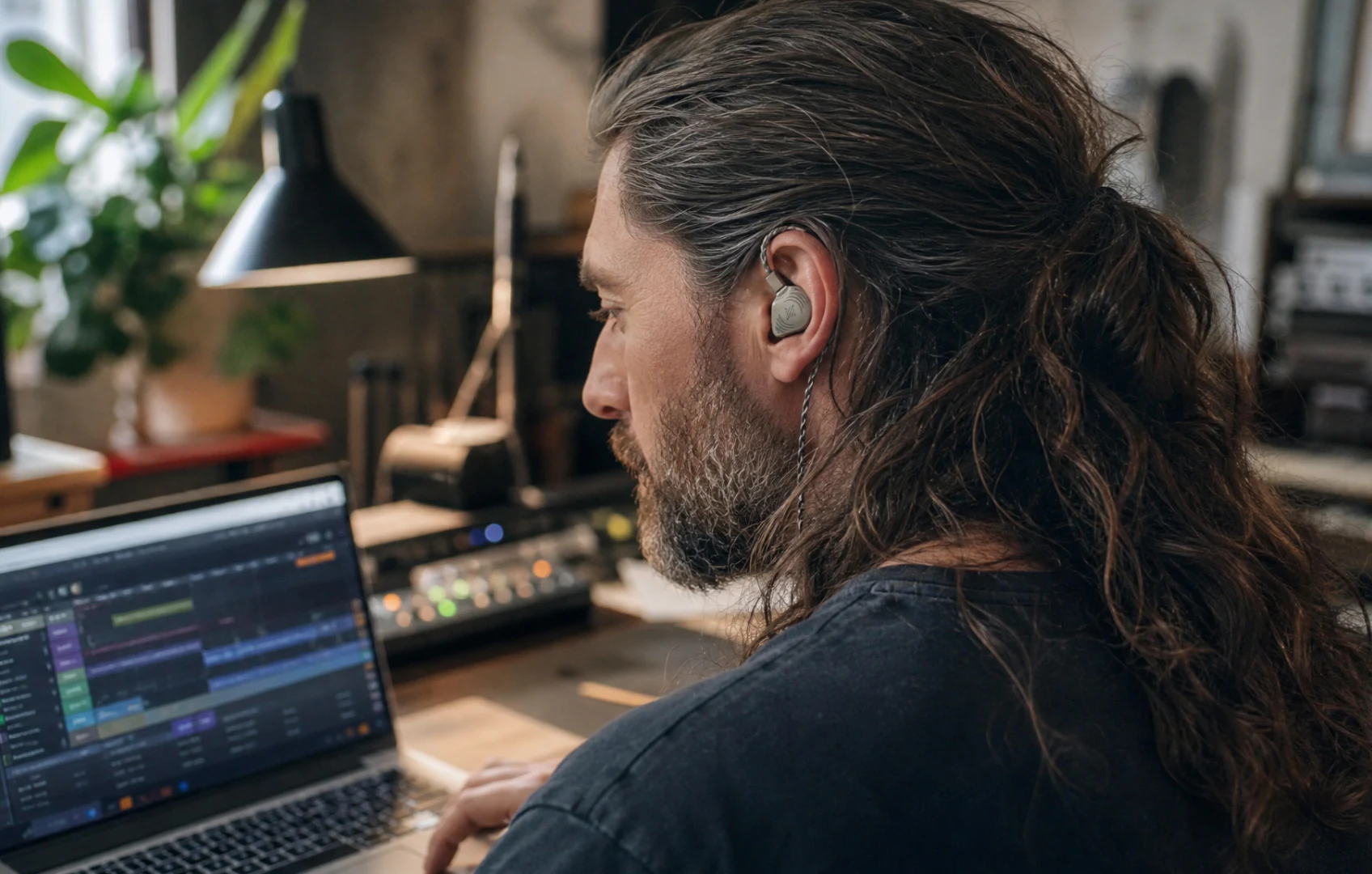
Wave Pro 2 has a clearer reason to compete here than a cheap universal pair: its quad-driver hybrid array splits the work across dedicated drivers, which can help dense music feel more separated and easier to read.
Winner: depends on the custom model. Wave Pro 2 is the safer first serious step because you can learn what kind of monitor balance you want before buying something permanent.
Round Four: Time, Risk, And Annoyance
This is the boring category that matters more than people admit. Custom molds require an appointment, impressions, waiting, and possible refits. If something is off, fixing it is slower than swapping a tip or cable.
A universal IEM is faster to test. Use it with your interface, mixer, headphone amp, keyboard, or beltpack. Try the included tips properly. If the fit works, you have avoided the slow path. If it does not, you have a better reason to pay for customs.
Round Five: Value
That makes speed part of the value test. Wave Pro 2 wins this round for speed of learning, not because customs are bad, but because the fastest useful test usually wins before a permanent purchase. With customs, you are also paying for the impression process, waiting cycle, and the risk that your first fit or tuning preference is not final.
That makes the value question simple. If a serious universal IEM solves seal, isolation, comfort, and clarity, custom money was not the right first move. If it does not, customs become a more informed next move.
The Short Verdict
- Buy custom molds first if universal tips consistently fail, you already know your preferred tuning, and your stage work justifies the cost and waiting.
- Try Wave Pro 2 first if your real issue is seal, isolation, clarity, weak budget IEMs, or not hearing the mix clearly.
My recommendation for most musicians is not to jump from cheap IEM frustration straight to custom molds. Try the serious universal option first. If Wave Pro 2 fixes the seal and mix, you are done. If it does not, you now know exactly why the custom route might be worth it.
The Honest Bottom Line
Custom molds still have a place. They are just too expensive and too permanent to be the first answer for every musician. The better order is simple: test the adjustable solution properly, then go custom only if your ears or your work demand it.
Comments
No comments yet.