

 Written by Jude Harper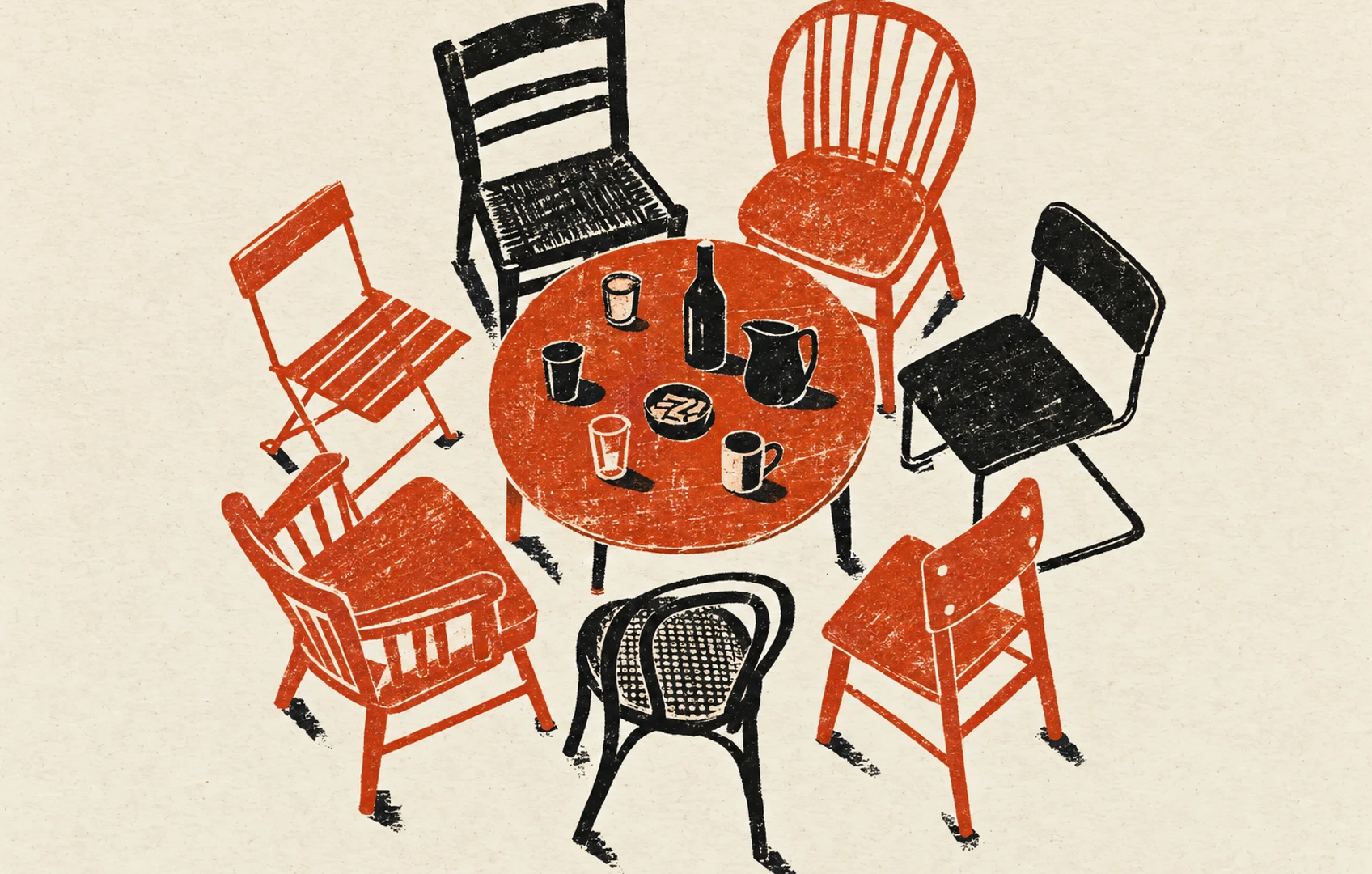
Seven at the door
Before anyone presses play, the names start elbowing for space. Curly Castro’s “Black Don’t Crack” features Fatboi Sharif, Blueprint, Brian Ennals, SKECH185, AJ Suede, and billy woods. Add Castro and you have seven rappers attached to one track, with several possible routes into somebody else’s music.
Stereogum’s September 18 coverage describes the roughly six-minute song as the opener of Yaphet, the Philadelphia rapper’s new album. That placement is a useful reason to revisit the posse cut, a format that can make a single recording feel like an introduction to a wider circle.
For a newcomer, a long feature list can resemble homework. Recognize one name, and the temptation is to wait for that person, collect the appearance, and leave. There is another pleasure available here, built into the format: hearing what changes when the next person takes up space.
The headline’s little hustle
Stereogum’s introduction is candid about its method. The aim is to get people to hear Yaphet, and packing the headline with underground rap names might attract readers who would pass over a straightforward album notice.
Music discovery, with the wiring exposed. A reader might recognize Blueprint, click, and arrive at a Curly Castro album. The familiar name has lent someone else a few seconds of attention. That exchange can happen before anybody explains why the record might deserve a listen.
There is a faintly ridiculous bargain involved. An album has to squeeze through a headline before it can occupy an evening. A name the reader trusts becomes a handle on a record they may never have heard of.
The catch is that a roster cannot establish whether a song holds together. It cannot tell you which contribution will make you replay a line, or whether the album surrounding it will stay in your rotation.
A shared clock
The posse cut makes different rappers inhabit a common recording. A playlist offers a sequence of separate productions. Within a shared track, entrances and changes of emphasis become part of the arrangement. The arrival of another voice can alter how you hear the space around it.
Marley Marl’s “The Symphony” and A Tribe Called Quest’s “Scenario” are durable reference points for this pleasure. Try either alongside a current posse cut and notice how long the track lets you settle into each voice before the next arrival. A familiar recording can give you something concrete to compare with a new one.
Pay attention to the joins. Listen for a change in phrasing, a different relationship to the beat, or the amount of silence a rapper leaves around a line. A handover can reset your attention even when the musical backing stays steady.
Those are listening prompts to bring to “Black Don’t Crack,” without assuming anything about its execution from the credits. If an entrance catches you, rewind a few seconds so you hear the outgoing contribution and the arrival together.
Six minutes at the entrance
An opening track has work to do. It sets an initial expectation for the record and asks for enough attention to reach track two. Putting a six-minute posse cut there gives the guests immediate prominence in that first encounter.
That makes Castro’s position worth remembering. His name may be the one a reader learns after clicking for somebody else. Yaphet supplies the larger setting for this assembly, and the album deserves a chance to show what happens after the introductions.
Let the opener continue into the next track at least once. Notice what carries over and what changes. You may decide that the collaboration is the part you want to keep returning to. You may want the whole record. Either response has room to develop if the search tab stays closed for a few more minutes.
Two passes through the room
A record with this many names does not require a preparatory course in underground rap. A modest listening plan will get you further than frantic cross-referencing.
- First pass: keep the cast list out of the way. Hear the track in sequence. Notice where your attention shifts, even if you cannot attach a name to the voice yet.
- Second pass: follow one point of curiosity. Return to an entrance or phrase that caught you. Note its timestamp if you want to identify the voice later. Guest billing does not necessarily give you the performance order.
- Next listen: choose one branch. Find a release under a guest’s own name. Their work outside a feature slot may give you a different sense of the same voice.
There is no obligation to rank the entire cast before lunch. Competition is part of the fun of a posse cut, and having a favorite is reasonable. Curiosity can also remain unfinished. Save one name for tomorrow and let the rest wait in the track credits.
Where the credits lead
A collaboration supplies a documented connection. It tells us who appears together on a record, while leaving friendship, label membership, and recording logistics unresolved. The cast on “Black Don’t Crack” should not be mistaken for a complete census of underground rap, either. Every guest has work beyond this intersection.
Full track credits, where available, can open routes into production work too. The headline gives vocal guests the most visible space, and the people shaping the recording may offer further discoveries. There is room to follow those connections at whatever pace suits your listening.
You can enter through one rapper and leave curious about another without pretending to have decoded a scene. You can also dislike a contribution and still follow the next voice. Listening does not have to become an oath of allegiance.
For now, the concrete starting point is Yaphet and its crowded opening slot. Let those six minutes run, then keep Castro’s album in the queue. If a guest sends you toward another record, save it alongside Yaphet. You have tomorrow’s listening lined up without losing the album that brought you there.
Comments
No comments yet.