

 Written by Avery Knox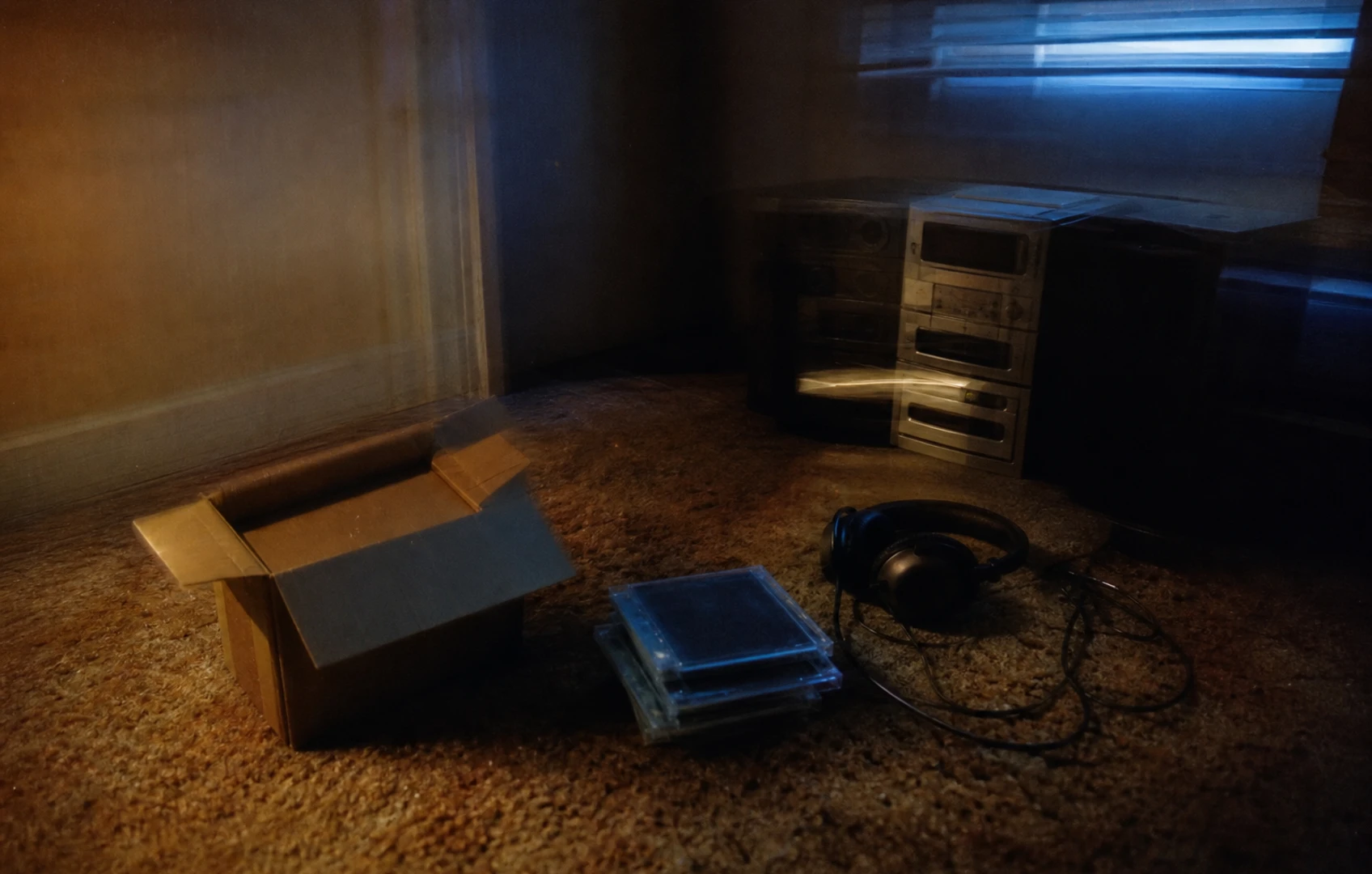
The last envelope
Columbia House is set to shut down next month after 71 years, according to reports published by Stereogum and Pitchfork. The first surprise for many listeners sits inside that sentence: the mail-order media club was still operating in 2026. Its persistence made it feel like a cable tucked behind an old receiver, forgotten until someone announces that the signal is about to stop.
The closure deserves sharper attention than a warm bath of CD nostalgia. Columbia House organized music discovery as a sequence of actions. A listener chose from a bounded catalog, sent a decision away, waited, then lived with the objects that arrived. The system could be exciting, awkward, and unforgiving. It also gave a selection time to acquire weight before the first note played. That old workflow helps explain why an album chosen days earlier can land differently from one tapped during a distracted scroll.
Friction was the interface
The classic Columbia House interaction began before sound. Its catalog functioned like an arrangement grid built from cover art. Space on the page and the household budget were finite, so every title had neighbors and competitors. Sending an order fixed the choices, followed by dead air while the postal system did its slow work.
Waiting changed the emotional gain staging. Anticipation accumulated around music a buyer might know through one song, a review, or a friend's recommendation. By the time a package arrived, the selection already had a backstory. Delay built much of that investment before the cardboard opened.
The same model wrapped pleasure in terms, deadlines, and continuing obligations. That part deserves no misty glow. A listening ritual loses its charm when changing course demands disproportionate effort. A modern club should preserve paced discovery while removing pressure, ambiguity, and difficult exits.
The shelf edited the listener
Once an album arrived, the shelf became a visible queue. Its limits were obvious. A row could hold only so many spines, and a pile announced its own backlog. A dozen album cases formed an accidental syllabus.
Replay often became the easiest next move because the record was already there. A difficult album could survive a bad first evening. It remained in the listener's field of view, catching dust beside familiar favorites and waiting for a different mood, room, or pair of speakers.
In production terms, the physical shelf behaved like a commit command. The listener had printed the choice. Fixed sequencing directed the ear toward transitions, recurring sounds, mastering differences, and the names in the booklet. The object could become clutter. Even clutter announced unfinished listening every time someone reached for the headphones.
Streaming hid the queue
Today's queue lives in saved libraries, playlists, open tabs, and recommendation rows. It can grow without filling a physical shelf. That is an extraordinary convenience. It is also easy to mistake saving for listening.
At a studio desk, streaming can surface a dry-snare reference, a 1970s string voicing, or a hypercompressed vocal in seconds. The trouble starts when every moment of uncertainty triggers another search. A half-finished loop keeps cycling under ten-second auditions, the automation lane sits untouched, and the ears flatten as intros blur into one long preview.
Listener-defined rules provide a gentler form of resistance. Cap the active queue at three albums. Finish one before adding the next. Let an ignored title leave the active list after a month. The infinite stockroom remains available, while the current shelf becomes small enough to see.
A club built on clear choices
Artists, labels, shops, and fan groups can borrow the pacing of a record club without copying its administrative strain. The design brief has five practical controls:
- Finite scope. Offer one release or a clearly bounded set instead of a feed that expands forever.
- Explicit selection. Ask members to choose each cycle. Silence should produce silence, never a shipment.
- Visible exits. Place skip, pause, and cancel beside accept, using the same visual weight.
- Context that earns the arrival. Include full credits, a short studio note, a lyric sheet, or an image showing how one sound was made.
- Predictable cadence. Tell listeners when the next invitation arrives and how long the choice remains open.
These controls make anticipation trustworthy. Surprise can remain available as an affirmative setting for people who enjoy it. For a digital club, the same logic can govern a private feed or download folder. A file can feel deliberate when its arrival carries context and the queue stays finite. The goal is deliberate arrival without administrative fog.
Put postal time in the session
Listeners can test the mechanism without waiting for an actual parcel. On the first Monday of a week, choose three unfamiliar albums and make them available offline. Give each two complete plays before adding anything else. After the second listen to each, write one actionable detail: the kick drops out under a second verse, a vocal delay arrives on the final word, or the bass remains centered while the drums widen. At week's end, carry one technique into a sketch.
That note turns discovery into a retrieval cue for practice. For producers already drowning in preset folders, the same rule can shrink a session. Choose one sample folder and one instrument for the week, then bounce a sketch by Friday. Postal delay becomes a self-imposed cooling period between wanting another sound and loading it.
Constraint needs no purity test. Singles, shuffle, and algorithmic radio remain useful. The exercise is a temporary routing choice, much like soloing a bus long enough to hear what is actually feeding it. When the week ends, reopen the full catalog.
After the box
A 71-year run spans generations of playback habits, yet Columbia House's central gesture remained legible: abundance entered the home as a manageable parcel. Its closure puts a date on one old distribution system.
The company's end leaves a useful design problem on the studio desk. How can music arrive with enough ceremony to matter, without making the listener carry unnecessary friction? One modest answer looks almost comically small: three downloaded albums, a notebook, and a phone turned face down while the final track resolves. The finite queue holds its shape even after the cardboard box has disappeared.
Comments
No comments yet.