

 Written by Marvin Cavanaugh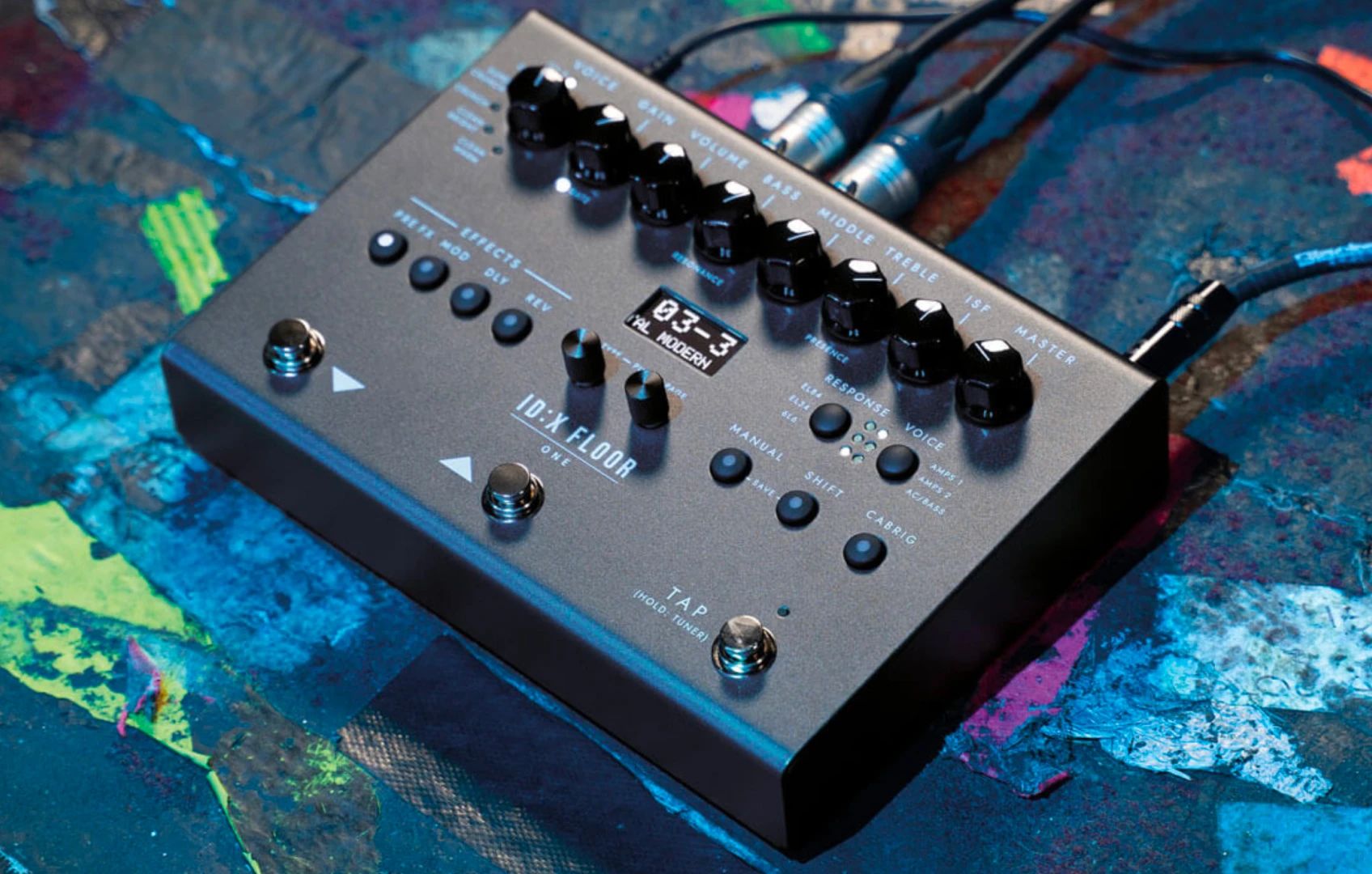
The one-box rig keeps making sense
Blackstar’s ID:X Floor Three arrives with a pitch that is easy to understand because guitar players have been drifting toward it for years. Put the amp sounds on the floor. Add the effects you actually need. Keep the controls clear enough to use without a manual open on your phone. Then make the whole thing small enough that loading in feels slightly less like a punishment.
That is not a glamorous category. It is a useful one. For a lot of players, the romance of the giant board and the separate amp head has run into ordinary adult problems: short set changes, cramped stages, shared backlines, rehearsals after work, and the simple fact that many venues do not reward complicated rigs. A compact floor unit that can cover core sounds, stay quiet, and go from practice room to stage without drama solves a real problem.
MusicRadar’s review of the Blackstar ID:X Floor Three points to exactly that appeal, describing it as an easy-to-use unit with dynamically playable amp sounds and effects that fit alongside them. Even without treating one review as gospel, the larger point is clear. Gear like this keeps getting attention because it aims at the least romantic and most important part of playing out: whether your rig behaves.
Players are tired of setup theater
There was a period when complexity itself could look serious. Big switching systems, multiple gain stages, separate modulation boxes, a power supply with the dimensions of a lunch tray, and enough patch cables to turn a soundcheck into a wiring seminar. Some players still need that level of control, and some genuinely enjoy building it. Fair enough. But the average working guitarist usually needs a cleaner bargain.
The bargain is simple: get me through the set with good sounds, predictable levels, and as few failure points as possible.
That is why the floor-based amp-and-effects unit has become less of a compromise story and more of a practical center lane. The appeal is not that every box replaces every beloved amp. The appeal is that a lot of these units now seem designed by people who understand what makes a guitarist tense before downbeat. Can I switch sounds quickly? Will the gain feel stiff? Is the output easy to manage? Am I about to spend twenty minutes in a menu because one patch is brighter than the others?
When a unit is described as usable first, that is not faint praise. In guitar gear, usability is often the whole review hiding in one word.
Feel still matters more than features
Any company can fill a product page with amp types, effects blocks, routing options, and editing depth. That material has value, but guitarists usually decide much faster than spec sheets suggest. They hit a chord, lean into the pick, roll the volume back, and listen for whether the sound moves with them or sits there like a laminated picture of an amp.
That is where the phrase dynamically playable matters. Players will forgive a lot if the response is convincing. They will forgive fewer total models. They will forgive a shorter list of deep editing options. They may even forgive a screen that is merely decent. What they do not forgive is a rig that feels disconnected from the hand.
Blackstar’s angle with the ID:X line has long been tied to accessible modern amp tones, so putting that approach into a floor format is not a random side quest. It is a recognition of where many guitarists now expect their main rig to live. Not beside the amp. Not feeding the amp. The rig is the thing under your foot.
That changes how a product should be judged. The question is not whether it can do everything. The question is whether it can become your default without asking for constant negotiation.
The quiet shift away from precious gear
One healthy change in guitar culture is that players seem a little less interested in defending suffering as proof of seriousness. Hauling a fragile, fussy, expensive rig into a bar does not automatically make the show better. Sometimes it makes the guitarist grumpier, the soundcheck longer, and the rest of the band late for dinner.
Compact floor units speak to a less precious mindset. You can build around one and still leave room for personality. Add an expression pedal if you need it. Keep one or two favorite analog pedals in front if they truly earn their place. Run direct when the venue or fly date demands it. Use headphones at home. Rehearse without changing your entire signal philosophy. None of that is especially sexy, but it is how gear becomes part of a life instead of a shrine.
There is also a financial realism here, even if we leave exact pricing aside. For many players, the threshold for a single piece of gear that can cover rehearsal, recording demos, backup duties, and gigging is easier to justify than a slow accumulation of separate boxes that still does not solve routing or consistency. The market has noticed. That is why this category keeps filling up.
What this kind of unit has to get right
If you are considering a floor rig like the ID:X Floor Three, the checklist should stay boring on purpose.
First, patch-to-patch consistency. If one preset jumps in volume or loses top end unexpectedly, you stop trusting the box. Trust is the whole game.
Second, switching clarity. Live use rewards obvious footswitch behavior, readable status information, and a layout that does not force careful toe choreography in bad light.
Third, output flexibility. A compact rig only earns its keep if it can adapt to the messy reality of modern playing situations, whether that means direct feeds, monitoring compromises, or a quick handoff into whatever amplification is available.
Fourth, editing friction. Deep editing is welcome. Slow editing is not. The best units let you get under the hood when you want, then stay out of your way when you do not.
Fifth, core effects quality. Nobody needs every effect under the sun. They need the basics to sound integrated with the amp voice rather than stapled on afterward. Delay and reverb especially tell you whether a unit feels finished.
That is why the phrase complementary effects is useful. It suggests restraint. Restraint is underrated in multi-effects design. A unit does not need to win a feature war if it helps players build sounds quickly and keep them under control.
Who these rigs are actually for
The obvious audience is the gigging guitarist who wants one grab-and-go board. But the category is wider than that.
It suits the player whose main amp cannot always come along. It suits the person moving between apartment practice, rehearsal spaces, church stages, pit work, and small club dates. It suits the guitarist who needs a backup rig that does not feel like punishment. It also suits the player who is simply tired of troubleshooting a pedalboard assembled across five tax years.
It may not suit the committed tweaker who wants every effect block to be endlessly reroutable, or the traditionalist whose favorite part of playing is standing in front of a moving air cannon. Those players still have options, and they are not wrong. But a lot of musicians live in the middle, where convenience matters and tone still has to feel responsive enough to inspire a better take.
That middle is where products like the ID:X Floor Three either succeed or disappear. They do not need cult mythology. They need repeat use.
A sign of where the floor is headed
The interesting thing about units like this is not that they promise to replace every old rig. It is that they keep making the old arguments sound less urgent. The choice is no longer between purity and compromise. It is between different kinds of practicality.
One kind says your rig should be infinitely expandable, endlessly customizable, and powerful enough to survive any hypothetical session in history. The other says your rig should turn on, sound good, switch cleanly, and fit in the car with the merch tub. Lately, the second argument is winning a lot of nights.
That is why Blackstar’s ID:X Floor Three feels timely. Not because it arrives as a shock to the system, and not because one compact floor unit will settle the modeling debate forever. It feels timely because it meets guitarists where many of them actually are: trying to play well, carry less, and spend fewer minutes crouched over cables while the drummer asks if anyone has seen the power strip.
For working musicians, that is not a small promise. It is the whole load-in.
Comments
No comments yet.