

 Written by Marvin Cavanaugh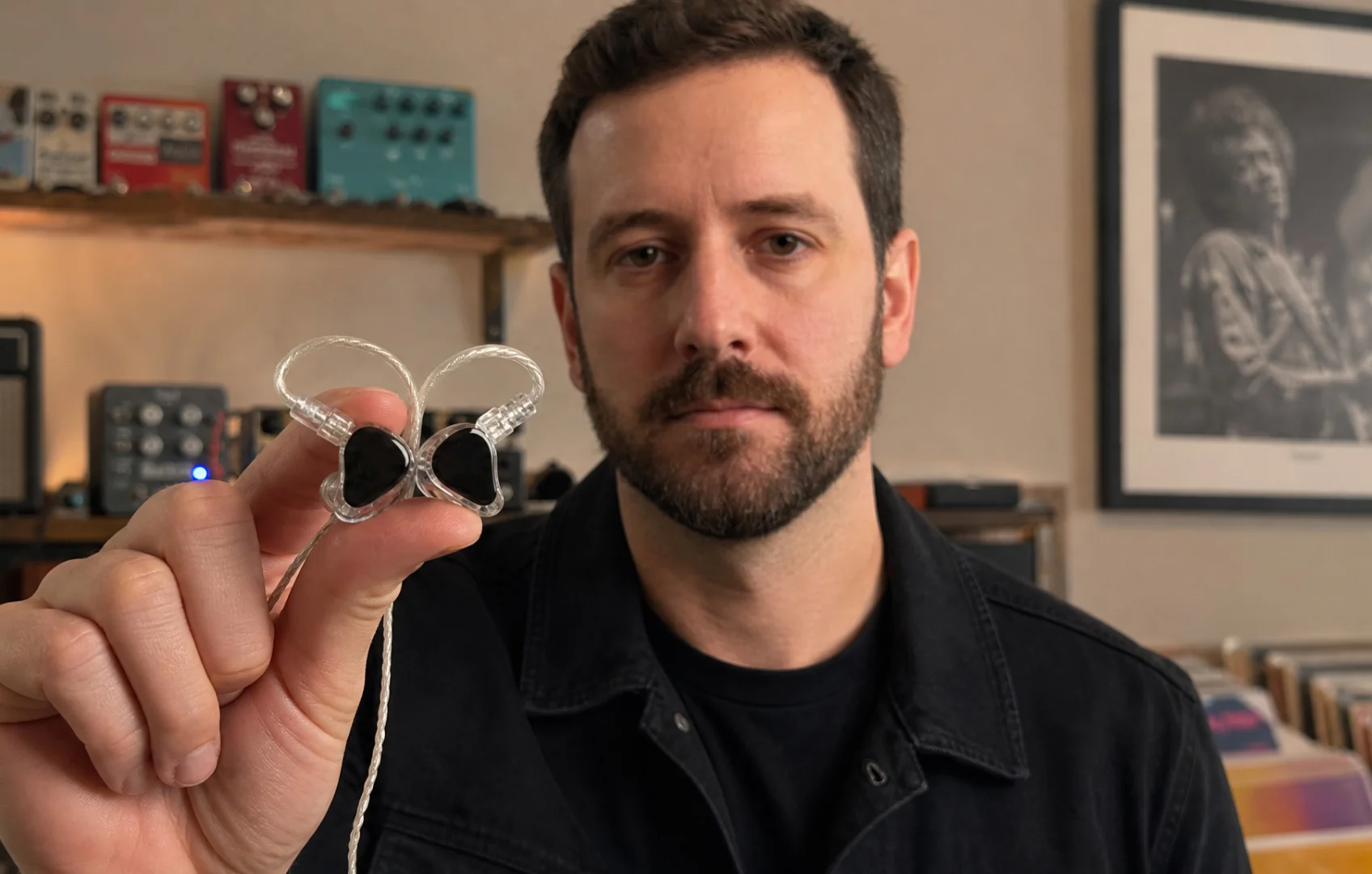
The Expensive Assumption
When musicians get frustrated with in-ear monitors, they often jump to the most expensive explanation: my ears must need custom molds. Sometimes that is true. Often it is not the first thing to test.
Cheap IEMs can make the whole category feel broken. The tip loosens, drums bleed in, the click gets buried, and the vocal feels small. Then customs start looking like the only adult answer.
Before you buy the permanent solution, run the adjustable test properly: seal, passive isolation, comfort, mix clarity, and real setup compatibility.
"Do not buy a custom shell before you know whether your real problem is the shell, the seal, or the setup."
Test One: Can You Seal The Ear?
A weak seal makes good gear sound bad. Bass disappears. Room noise gets louder. The mix feels thin. You push the volume, then blame the IEM when the real problem is that the earphone is not sealing.
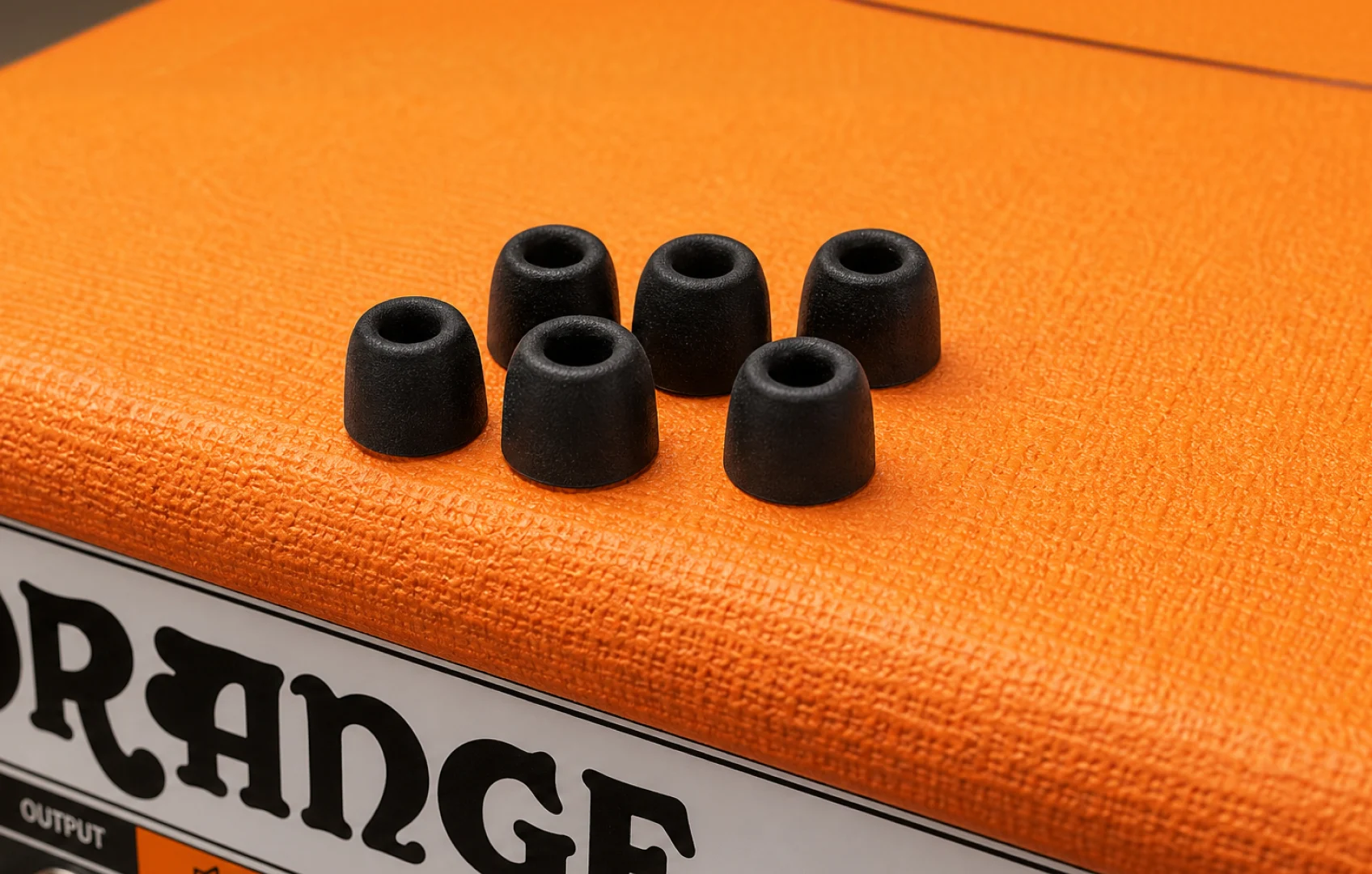
This is why serious universal IEMs should come with a real tip kit. Not one token sleeve, and not one size you try for five minutes. You need to work through material, shape, and size before deciding your ears require molds.
That is why the specific IEM only matters after the fit logic is clear. If the next question is which serious universal is worth testing before custom molds, our musician-IEM work points to Wave Pro 2 because it gives the fit test real substance: Liquid Pro, foam, and double-flange tips in S/M/L. The product is not the first test. The seal is the first test, and the kit gives you a real way to run it.
Test Two: Can You Lower The Room?
The room is often the enemy. Cymbals, amps, wedges, chatter, and stage wash all fight your monitor mix. If they leak in, you turn up. If you turn up enough times, you start confusing loud with clear.
Passive isolation matters because it solves the problem physically. Foam tips block sound at the ear like earplugs. Soundbrenner rates Wave Pro 2 foam tips for up to 36 dB of passive isolation, but the practical question is simpler: does the room stop fighting the mix?
If that already gives you a calmer monitoring environment, custom molds may stop being urgent. They become a later upgrade, not a panic purchase.
Test Three: Can You Hear The Parts Separately?
A musician mix is not a playlist. It is work information. You need to hear pitch, timing, cues, groove, tone, and sometimes the one tiny backing-track detail that stops the whole section from drifting.
This is where a better IEM can matter before custom molding enters the picture. A clearer driver setup and a better seal can make the mix readable enough that the custom question changes.
Wave Pro 2 has a quad-driver hybrid array, which gives separation a hardware reason to exist. The point is not to make the mix impressive for ten seconds. The point is to keep it readable through rehearsal, worship, tracking, or a long set.
Test Four: Does It Work In Your Actual Setup?
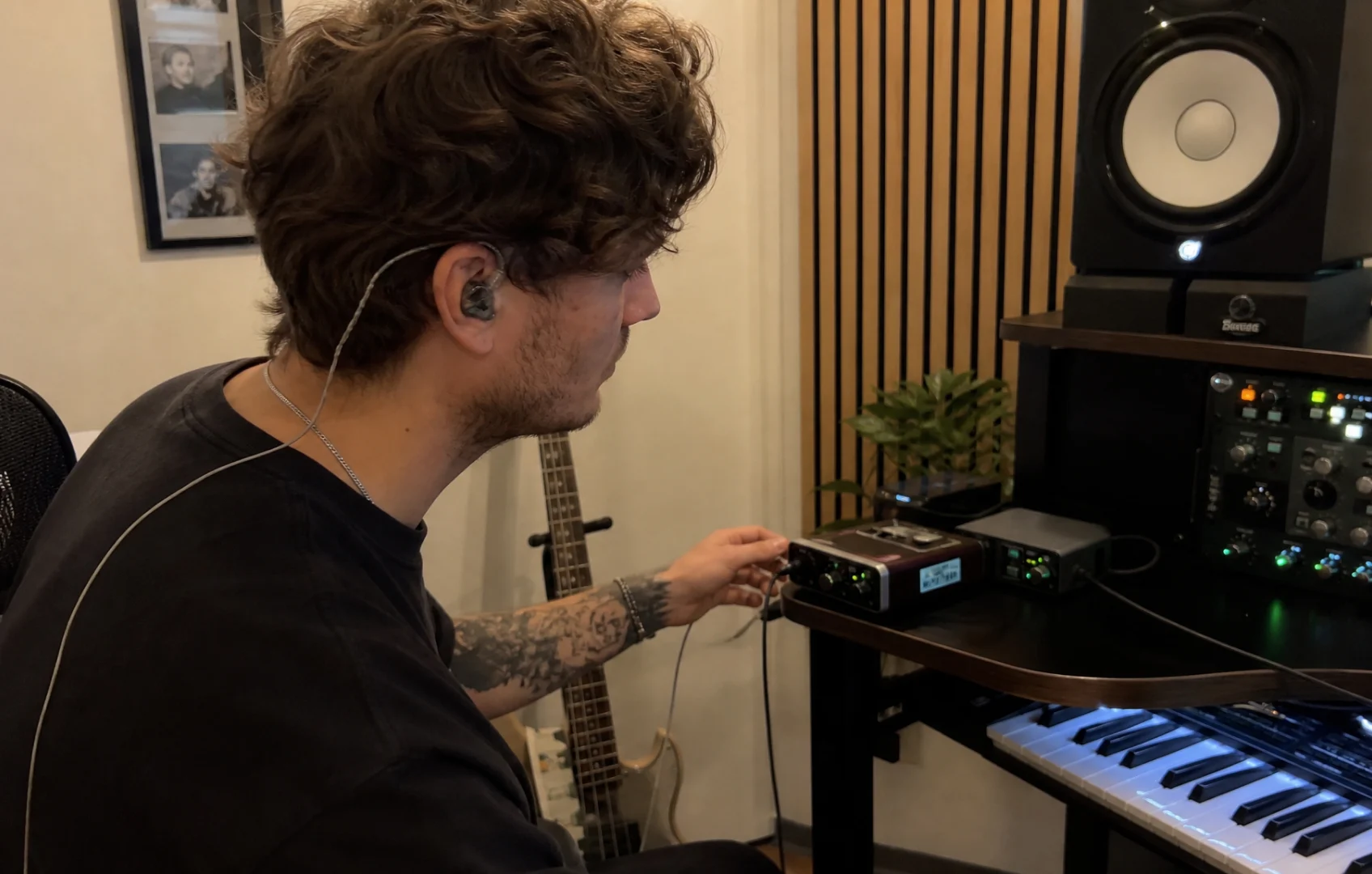
The useful test is not a five-minute desk listen. Try the IEM where the problem happens: rehearsal, home recording, worship set, click practice, small club, keyboard rig, interface, mixer, or beltpack.
This is a compatibility question, not a wireless lecture. You want to know whether the cable length, 3.5mm plug, included 1/4-inch adapter, fit, case, and daily handling make sense in the setup that made you consider customs.

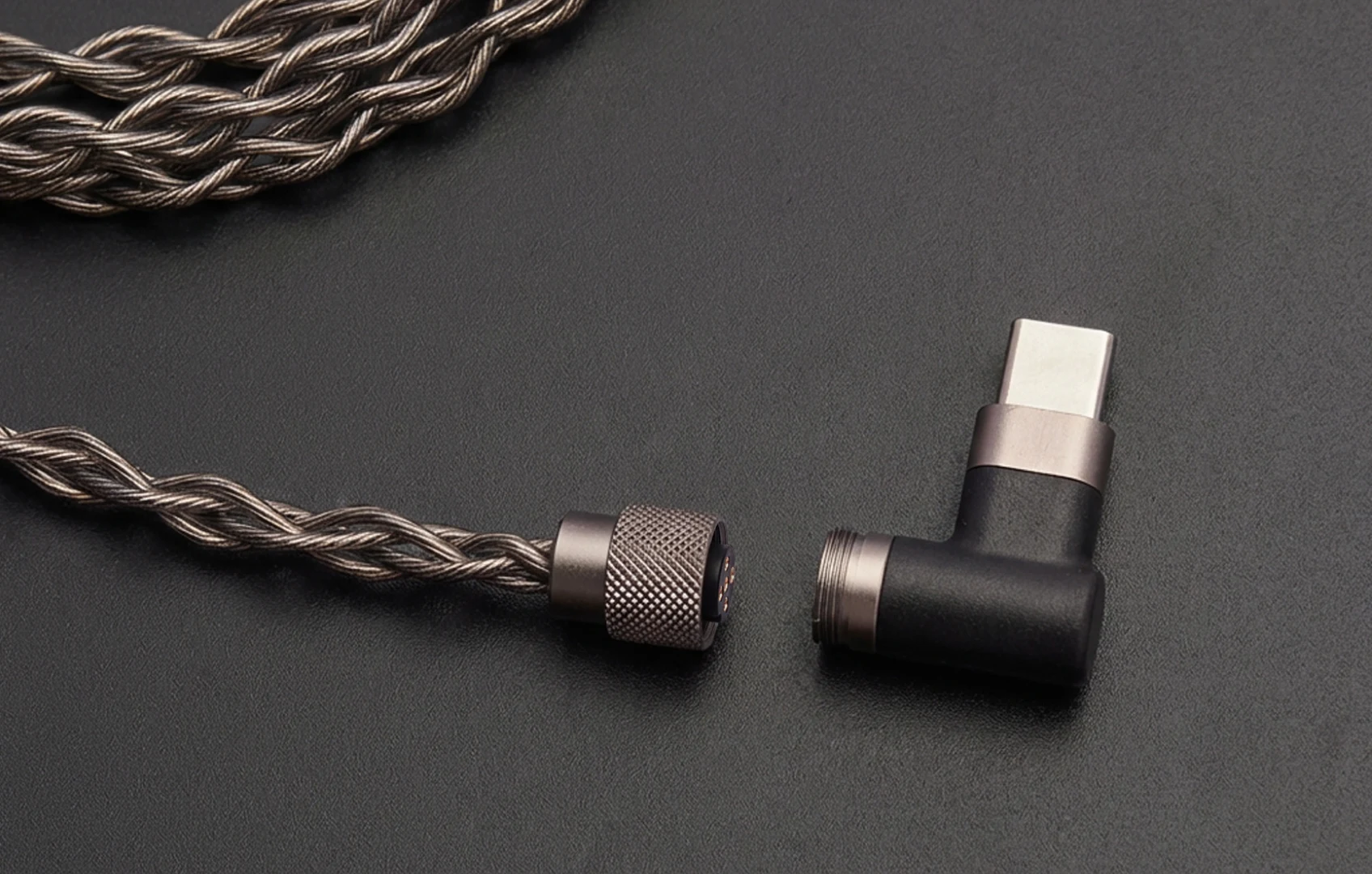
For modern laptops and phones, Wave Pro 2 can also use Soundbrenner's optional Hi-Fi USB-C connector, which replaces the 3.5mm plug directly on the cable rather than hanging as a loose adapter.
Decision Tree
- If a serious universal IEM seals well and the mix clears up: stop shopping and make music.
- If no included tip style seals your ears properly: custom molds become a more rational next step.
- If you already tour heavily and know your exact tuning needs: customs may still be worth the process.
- If your only problem was cheap IEM chaos: Wave Pro 2 is probably the shortcut you were looking for.
The Bottom Line
Custom molds are not the villain. They are just too expensive and too permanent to be the first answer for every musician who has not yet tried a serious universal IEM properly.
Wave Pro 2 is the sensible first move because it is our preferred universal test for the real problem: seal, isolation, separation, comfort, and setup compatibility. If it works, you avoided a custom-mold detour. If it does not, you will know exactly why the custom route might be justified.
Comments
No comments yet.