

 Written by Marvin Cavanaugh
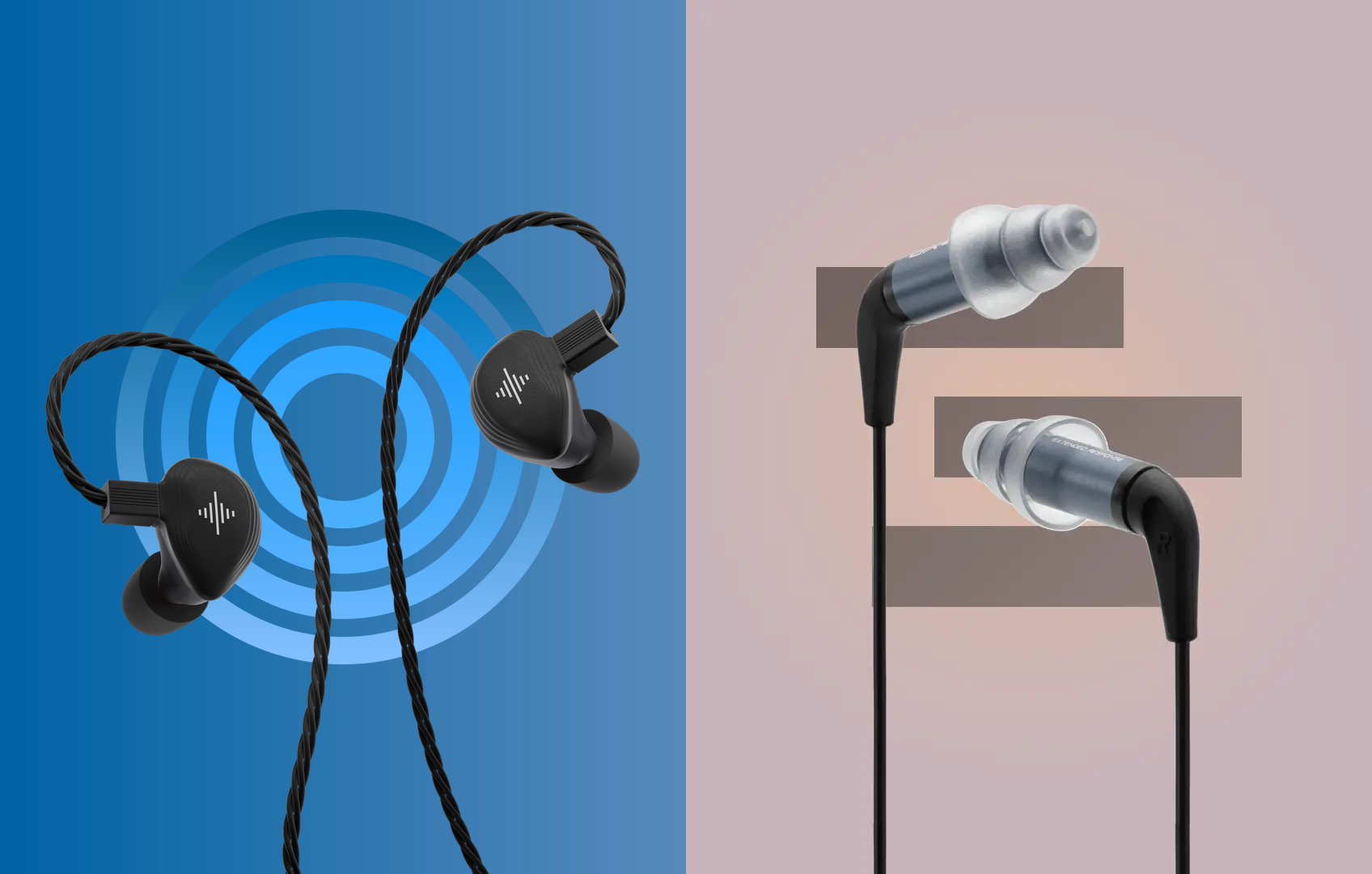
Why Worship Monitoring Needs Clarity
If you’ve ever thought your earbuds were “good enough,” this might change your mind. For the original guide, I tested the lineup over three months of rehearsals and Sunday services. The Soundbrenner Wave 1 earned 9.5/10 in that test.
Before we get into our top picks (spoiler alert: our top pick is the Soundbrenner Wave 2), let’s talk about why IEMs actually matter — especially if you’ve been winging it with consumer earbuds. Unlike Bluetooth earbuds, proper in-ear monitors are built for real musicians. They offer a wired connection — so there’s zero lag, no dropouts, and your click track stays exactly where it should. They come with noise-isolating tips that seal out the chaos of drums, amps, and room reverb. And the good ones? They’re comfortable enough to wear through a full service without ripping them out mid-song just to give your ears a break.
So what matters when you’re picking a pair for your own rehearsal?
How We Tested the Original Lineup
- Latency (monitored while recording and playing live)
- Frequency response (tested across the full audible range, 20Hz–20kHz)
- Noise isolation (tested using real-world service noise and dB measurements)
- Comfort (rated after 2+ hour services)
- Durability (sweat, drop, and cable stress tests)
- Value (based on sound, build, and included accessories)
The Best IEMs for Worship
- Soundbrenner Wave 2
- Shure SE425
- 1MORE Triple Driver In-Ear
- KZ ZS10
- Westone Pro X10
- Audio-Technica ATH-E40
- Moondrop Aria 2
1. Soundbrenner Wave 2 — Best Overall

Price: Original price (or Sale price if you catch the sale)
- Driver Type: 10mm dynamic driver with balanced armature tweeter and dedicated passive crossover
- Frequency Response: 20 Hz – 20 kHz
A wired IEM from a metronome company? Cute. Let me set the scene. Mid-rehearsal before a Sunday service. The drums are pushing, vocals are coming in hot, and the mix is all over the place. Your old in-ears are slipping out. You turn up the volume and still can’t tell where your guitar sits in the mix.
That’s where the Soundbrenner Wave 2 comes in. Plug into your monitor pack and try the foam tips. A good seal takes the edge off the drums in the room so you can pick out your part, the lead vocal and the click before the chorus comes back around.
Why I’m Lowkey Obsessed
- Actually Zero Latency: Bluetooth buds? Great for commuting. Terrible for Sunday service. The Wave 2 plugs in via 3.5mm and delivers sound instantly. Click tracks stay tight. No delay, no drift, just locked-in rhythm.
- Noise Isolation That Works: Soundbrenner rates the foam tips for up to 36 dB of passive isolation with a good seal.
- All-Day Fit: You get foam and silicone in small, medium and large. Try both materials before you settle on a size.
- Built for Musicians, Not Casuals: A thicker braided cable that’s designed to tangle less. Over-ear design. Gold-plated detachable connectors. These aren’t dressed-up consumer earbuds. They’re real-deal stage tools.
Room for Improvement
- Hard to Catch in Stock: Like that one bandmate who’s always late but worth it, the next batch might miss your gig. Check the ship date if you need them for a show.
- They Might Ruin Your Other Headphones: Go back to your usual buds after getting used to a good foam seal. You might miss these before the drummer finishes counting in.
Real Talk Time
It just works. No gimmicks. No “Bluetooth 8.9” or bloated apps you’ll never use. Just a secure fit, clean sound, real isolation, and zero latency — so you can actually hear your mix, stay locked to the click, and lead with confidence. And the best part? It comes in at a price that doesn’t feel like you need to sacrifice half your gear just to afford it.
If you’ve been settling for inconsistent mixes or in-ears that never quite sit right, this is the upgrade you didn’t know you needed. Once you can actually hear your mix clearly — vocals, click, and all — there’s no going back.
Final verdict? Skip the extra coffee this month. Get the gear that makes you sound like you actually know what you’re doing. Check the current price at Soundbrenner’s official site.
The Runner-Ups: Still Great Picks
2. Shure SE425 (9.1/10) — Luxury Choice
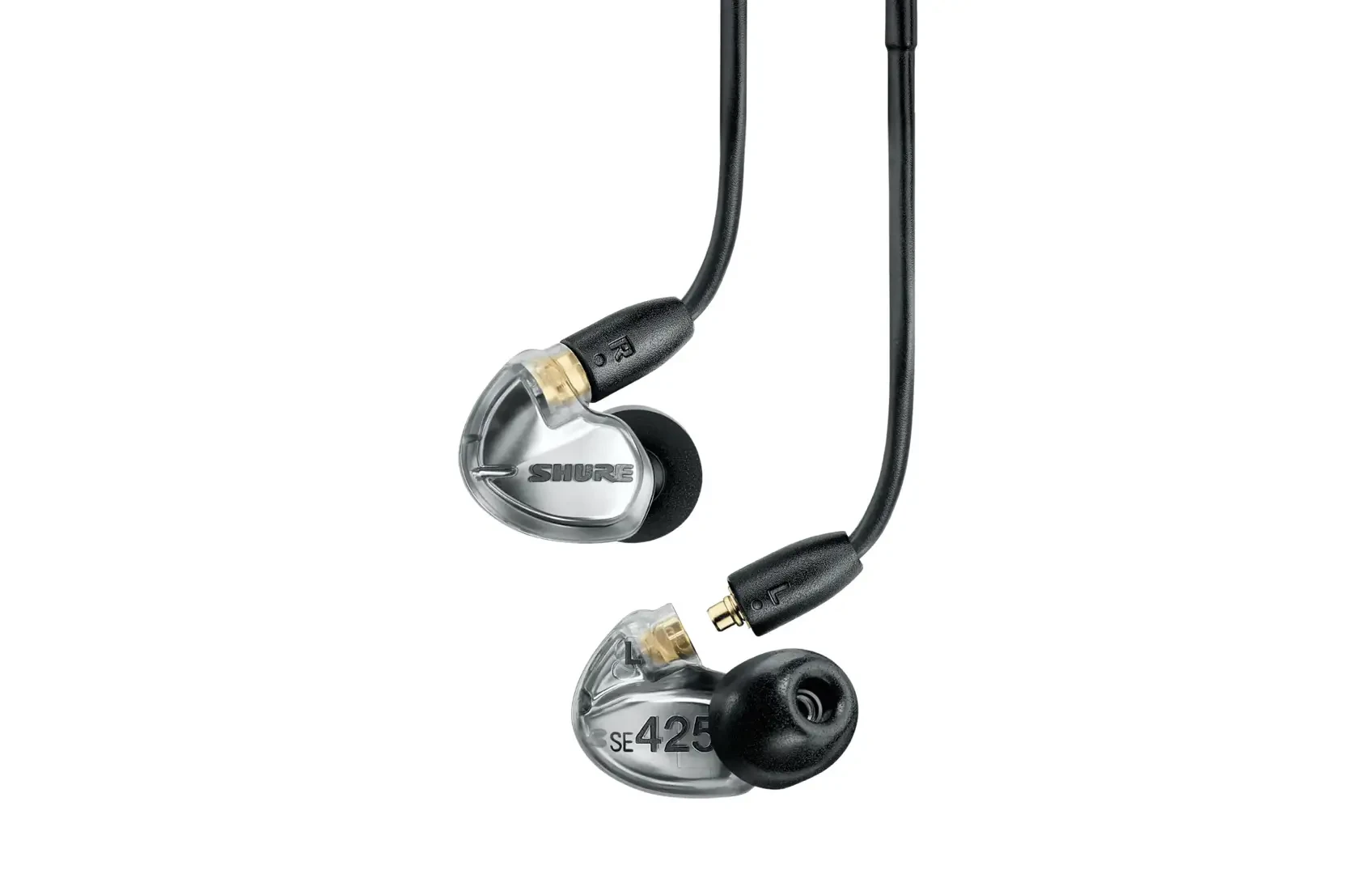
Price: $269
- Driver Type: Dual high-definition balanced armature drivers
- Frequency Response: 20 Hz – 19 kHz
Strengths:
- Durable construction with replaceable cables
- Balanced sound signature suitable for professional monitoring
- Excellent noise isolation due to over-ear design
- Comfortable fit with multiple ear tip options
Limitations:
- Bass response may be perceived as lacking for bass enthusiasts
- High frequencies may sound slightly rolled-off to some listeners
- Higher price point compared to other models in its class
Best For: Those who prefer to pay more for proven reliability, even if better deals exist.
3. 1MORE Triple Driver In-Ear (9.1/10) - Best Cheap Wired Spare
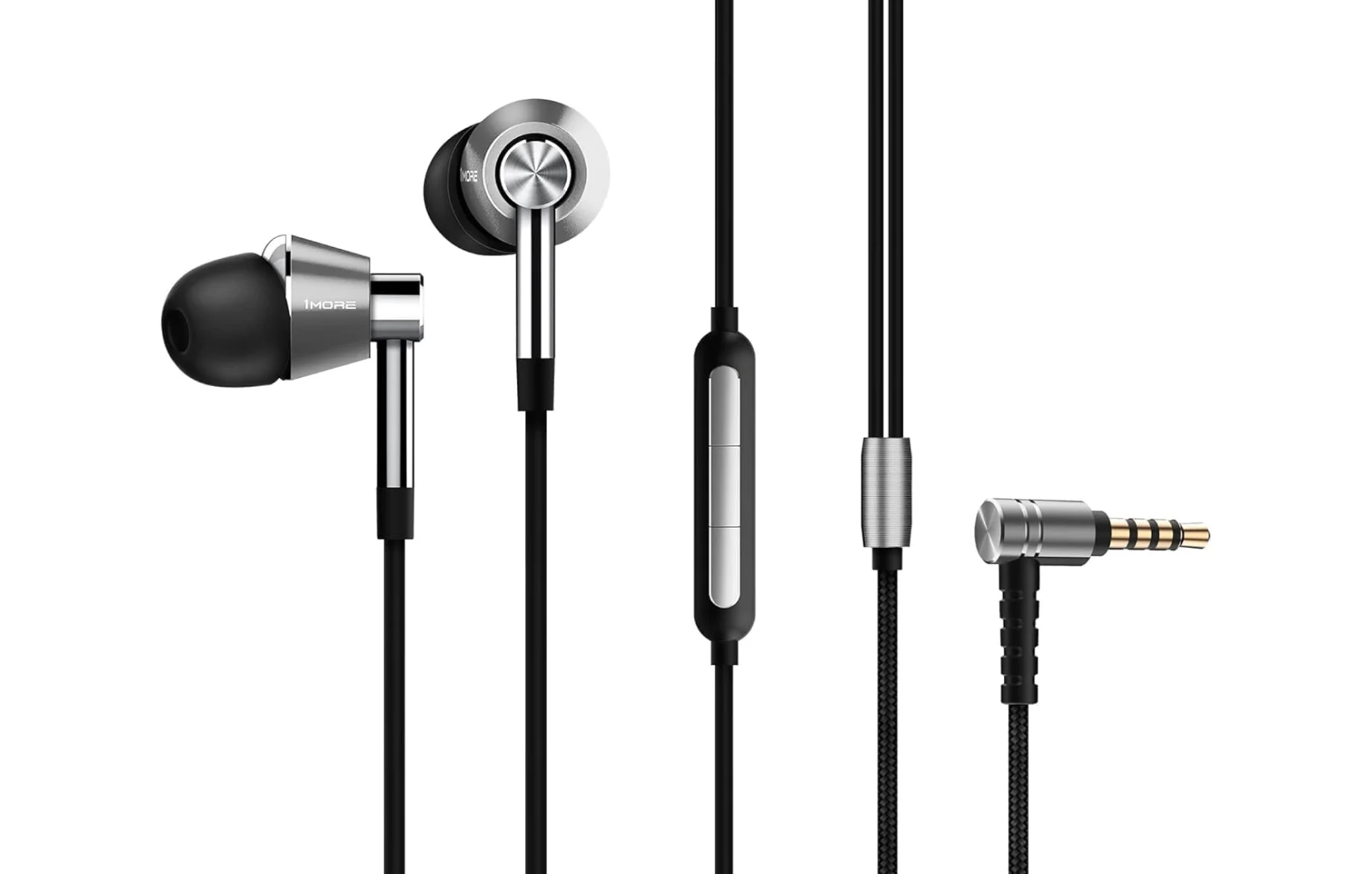
Price: $70
- Driver Type: Two balanced armatures plus one dynamic driver
- Impedance: 32 ohms
Strengths:
- Inline mic and remote make it useful as a phone, laptop, and rehearsal-bag backup
- Compact wired fit is less bulky than many stage-style monitors
- Triple-driver design gives it a more interesting sound than most cheap earbuds
- Low price makes it easy to keep as a spare without overthinking it
Limitations:
- Not a true stage monitor and not as secure as over-ear IEM cable designs
- Fixed cable is the weak point for heavy daily use
- Isolation is normal in-ear isolation, not deep-fit Etymotic isolation
Best For: Players who want a cheap wired spare for practice, travel, and emergency monitoring.
4. KZ ZS10 (8.9/10) — Longest Cable for On-Stage Freedom
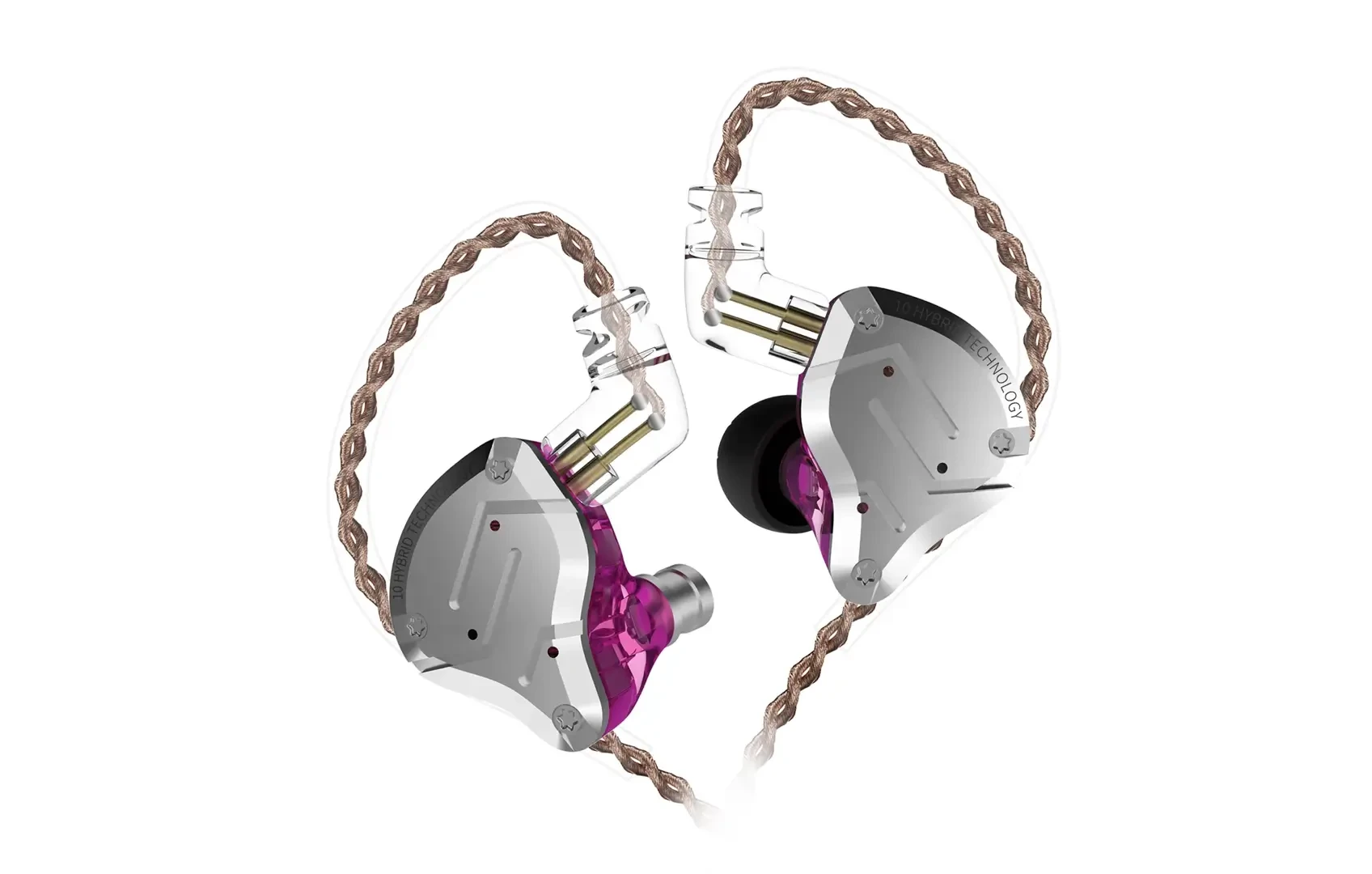
Price: $49
- Driver Type: Hybrid configuration with 1 dynamic driver and 4 balanced armature drivers
- Frequency Response: 20 Hz – 40 kHz
Strengths:
- Robust build quality with metal faceplate
- Detachable cables for easy replacement
- Energetic sound signature with pronounced bass and treble
- Good value for the number of drivers and features offered
Limitations:
- Midrange may be recessed, affecting vocal presence
- Treble can be sharp or sibilant for sensitive listeners
- Fit may not be comfortable for all ear shapes
Best For: Players who want more slack to move around the studio or stage.
5. Westone Pro X10 (8.8/10) — Loudest Volume to Drown Out Everything but You
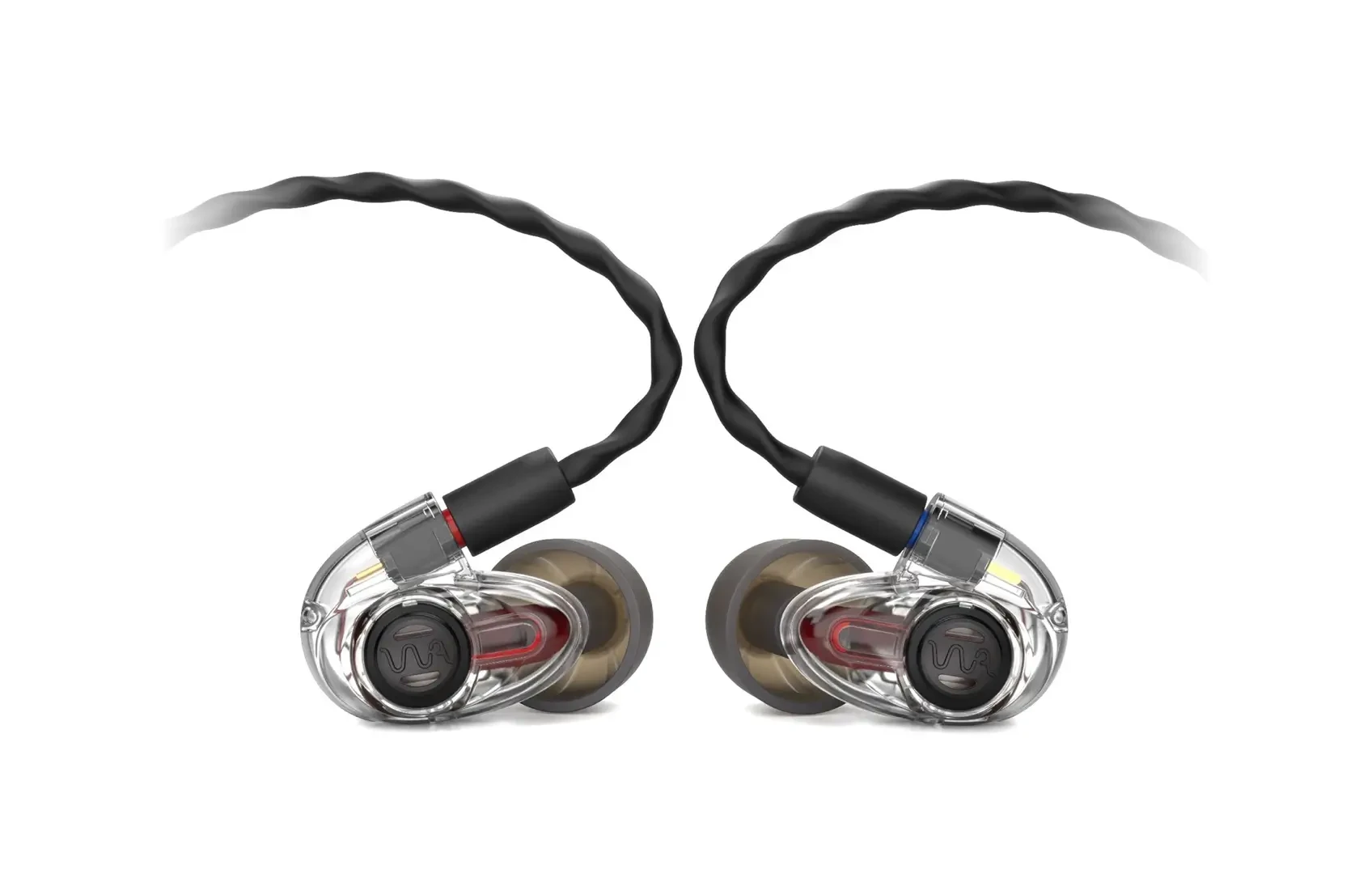
Price: $199
- Driver Type: Single balanced-armature driver
- Frequency Response: 20 Hz – 16 kHz
Strengths:
- Ergonomic and lightweight design for comfortable long-term wear
- Clear and detailed midrange reproduction
- Detachable cable enhances durability
- Comprehensive accessory package including multiple ear tips
Limitations:
- Bass response may be lacking for those seeking a fuller low end
- High frequencies may not be as extended as in multi-driver models
- Single driver design limits overall sound separation
Best For: Anyone tired of turning up their monitors and still not hearing enough.
6. Audio-Technica ATH-E40 (8.7/10) — Most Ear Tip Options
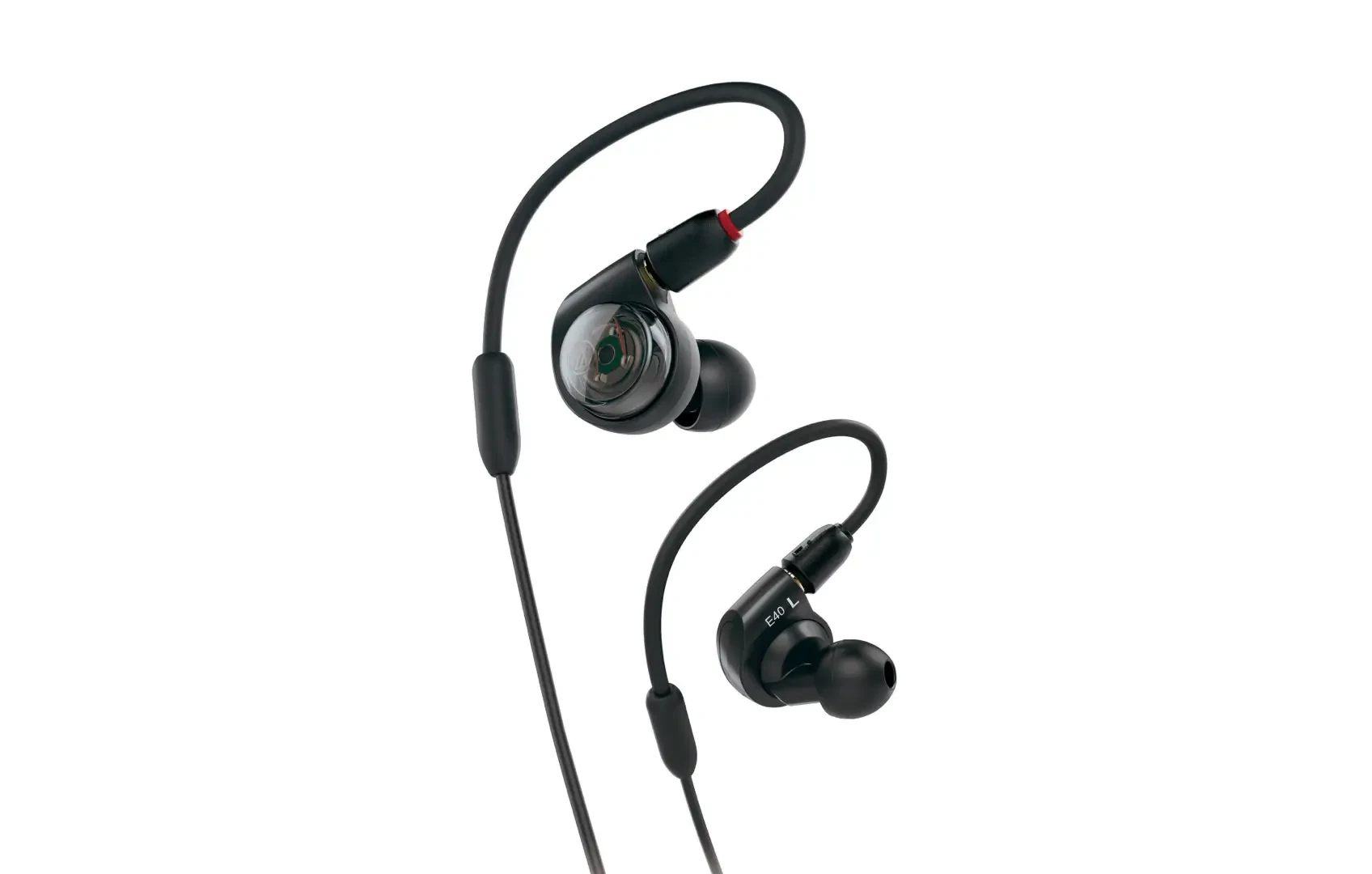
Price: $99
- Driver Type: Proprietary dual phase push-pull dynamic drivers
- Frequency Response: 20 Hz – 20 kHz
Strengths:
- Powerful bass response with balanced mid and high frequencies
- Detachable cables with A2DC connectors for durability
- Excellent sound isolation due to in-ear design
- Affordable price point for professional monitoring
Limitations:
- Larger housing may not fit comfortably in all ears
- Treble detail may be less pronounced compared to balanced armature designs
- Cable microphonics can be noticeable during movement
Best For: Musicians who struggle to find a truly secure, lasting fit.
7. Moondrop Aria 2 (8.5/10) - Best Smooth Budget Tuning
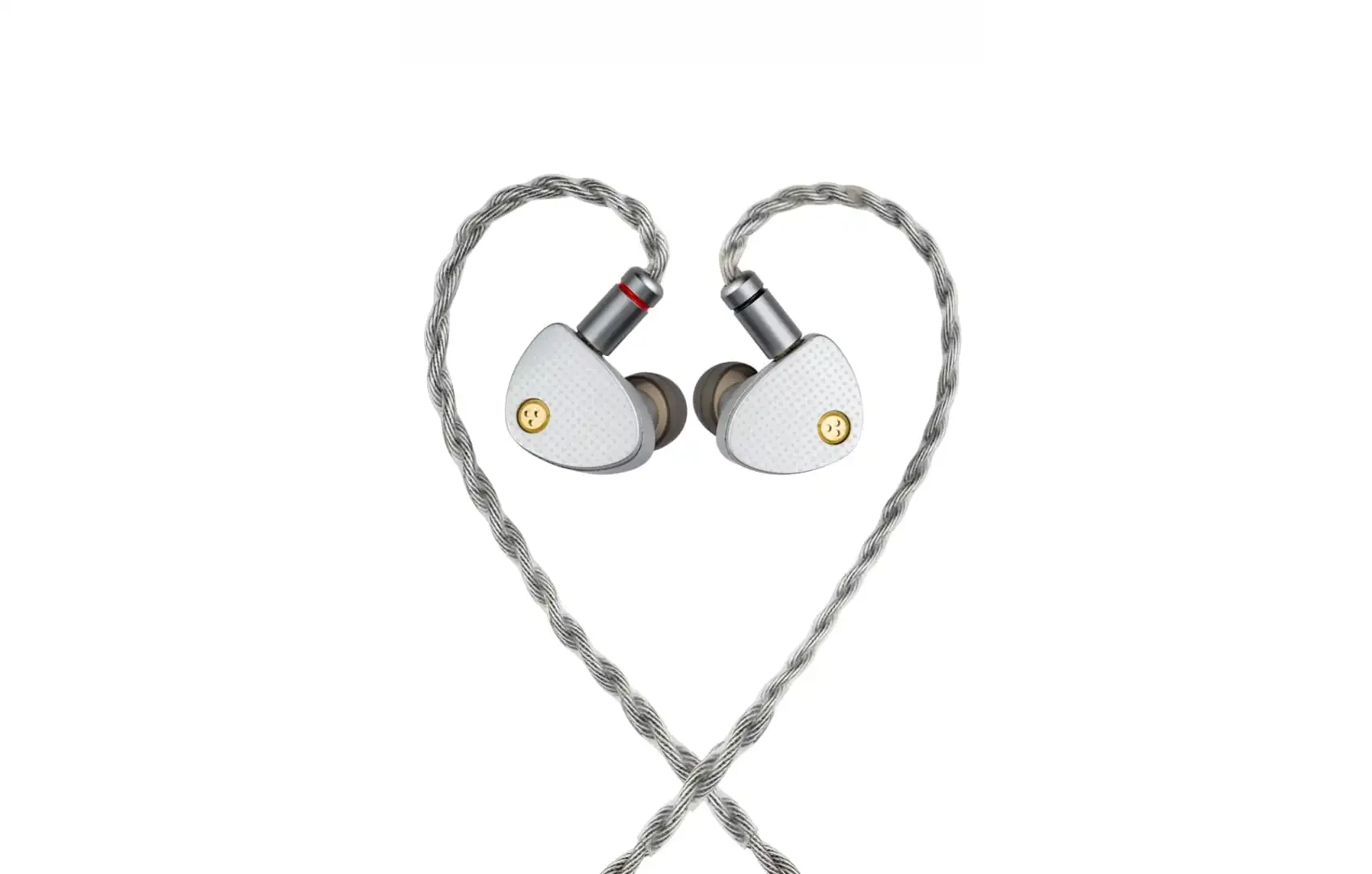
Price: $85
- Driver Type: Single dynamic driver
- Impedance: 33 ohms
Strengths:
- Smooth, easygoing tuning works well for long practice sessions
- Detachable 0.78mm two-pin cable makes replacement simpler than fixed-cable earbuds
- Includes both 3.5mm and 4.4mm cable options for flexible wired setups
- Good value for musicians who want a calmer listen than brighter budget IEMs
Limitations:
- Not as isolating or stage-secure as more purpose-built musician IEMs
- Single dynamic driver presentation can feel less separated than multi-driver monitors
- Metal shells may feel heavier than tiny low-profile IEMs
Best For: Musicians who want a smooth budget IEM for practice, not maximum stage isolation.
Comparison by Use Case
Best for Beginners:
- Soundbrenner Wave 2 – Plug-and-play simplicity with included adapter + multiple tip options
- KZ ZS10 – Budget multi-driver, easy to use
Best for Sunday Service
- Soundbrenner Wave 2 – Zero-latency, noise-isolating, stage-ready build
- Moondrop Aria 2 - Smooth budget tuning, detachable cable options
Best Value for Money
- Soundbrenner Wave 2 – Pro-level comfort + isolation at Sale price
- KZ ZS10 – Most drivers per dollar
Care & Usage Tips
Cleaning
- Use a soft cloth or alcohol wipe on tips and outer housing
- Avoid getting moisture in the connector pins
- Replace foam tips periodically for best seal
Storage
- Store in the provided hard-shell case to protect drivers and cables
- Avoid leaving in extreme heat (cars, stages)
- Don’t coil the cable too tightly — let it breathe between sessions
The Bottom Line: Why I’d Save These IEMs a Spot in My Gear Bag
Our pick for Sunday services is Soundbrenner Wave 2. While most IEMs either sound good or feel good, the Wave 2 nails both — delivering zero-latency, stage-ready sound with the kind of noise isolation and long-session comfort musicians and worship leaders actually need.
From the hybrid drivers to the detachable braided cable and six tip options, everything is designed for real musical use — whether you’re rehearsing, recording, or on stage. You don’t have to fight to hear yourself. You don’t have to blast the volume. And you definitely don’t have to drop $800 to get clean, consistent monitoring.
If you’re still relying on consumer earbuds or overpriced IEMs that don’t quite hold up, this is your upgrade moment. It’s not famous. It’s just good.
Limited-Time Price: Sale price (normally Original price)
- Free shipping
- 30-day hassle-free returns
Check the current Wave 2 price →
Have you tried any of these IEMs? Share your experiences in the comments!
Comments
No comments yet.